


At A Glance
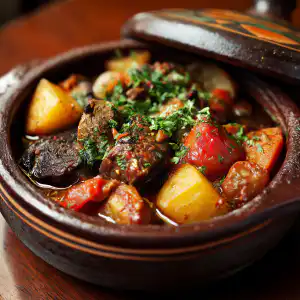
Tripas à moda do Porto is the city’s defining dish: veal tripe slow-cooked with white beans, cured meats and cumin, served with white rice.
- Porto locals are nicknamed tripeiros, tripe-eaters, and wear it with pride.
- The traditional story dates the dish to 1415 and the fleet that sailed to conquer Ceuta.
- White beans carry the dish as much as the tripe does. Cumin is the signature spice.
- It is unrelated to Mexican tripas, which are grilled small intestine served in tacos.
- Cook it with us on Rua do Almada, a 10-minute walk from Bolhão Market.
No other Portuguese city is named after what it eats. People from Porto are tripeiros, tripe-eaters, and unlike most nicknames of that shape it was never an insult and has never been shaken off. It appears on football banners and restaurant signs. The dish behind it, tripas à moda do Porto, is the deepest entry in the traditional foods of Porto, and the one most visitors walk past.
That is a shame, because the dish is far less confronting than the name suggests. It is a white bean stew, rich with cured pork and warm with cumin, in which the tripe behaves more like a texture than a flavour. If you have eaten a good cassoulet or a Spanish fabada, you already know the shape of it. The ingredients come from one walk through Mercado do Bolhão, where the tripe arrives cleaned and blanched, ready to cook.
Below: where the name came from, what actually goes in the pot, how it is made, and how to order it in Porto without ending up with something you did not expect.
Want to understand Porto through its food?
Our chef-led market tour and tapas class starts at Bolhão, where the tripeiro story still lives on the counters.
What Is Tripas à Moda do Porto?
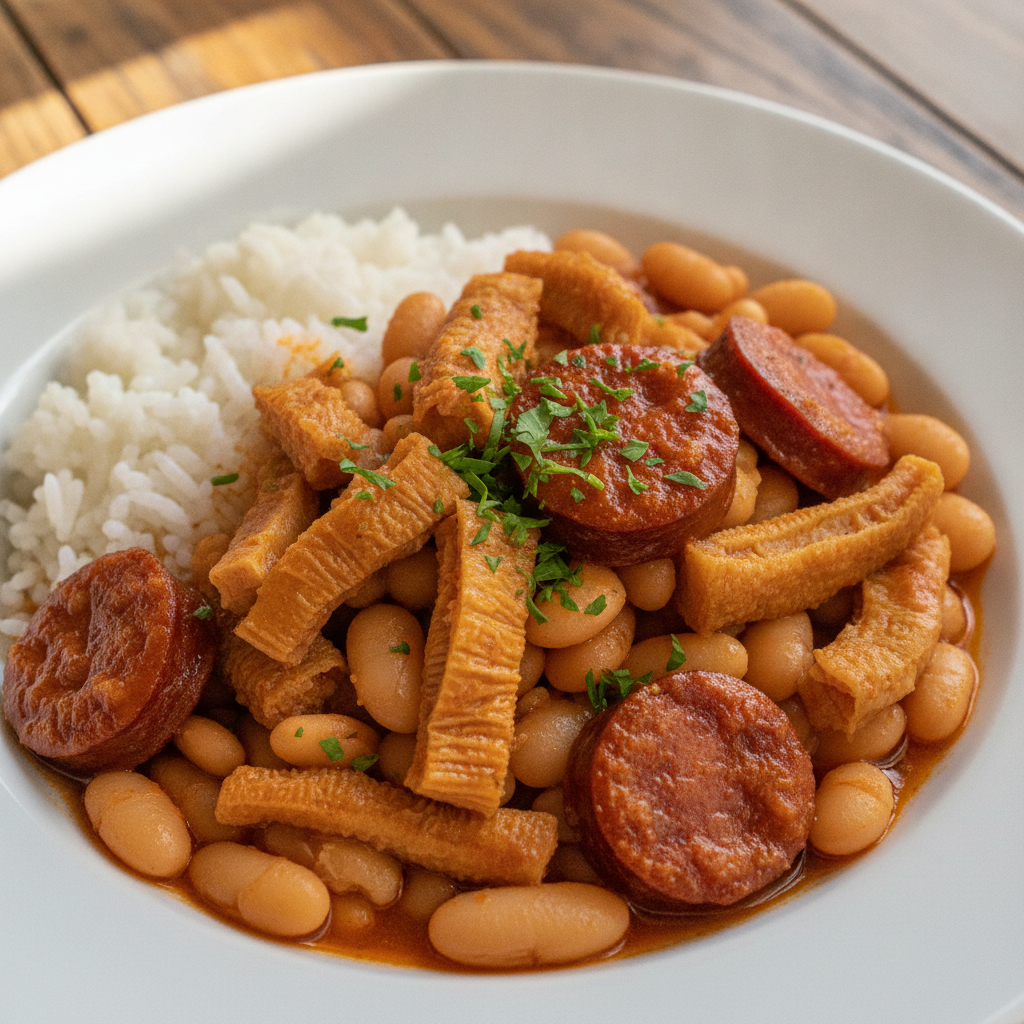
Tripas à moda do Porto translates as tripe in the style of Porto. It is a slow-cooked stew built on two things in roughly equal measure: veal tripe, cleaned and cut into strips, and white beans, usually feijão manteiga, the buttery Portuguese bean that holds its shape through long cooking.
Around those go a run of cured and fresh meats: chouriço, presunto, often a pig’s trotter or ear for body, and frequently a piece of chicken. Carrot, onion and garlic form the base. Cumin does the seasoning, which is unusual in Portuguese cooking and is the single detail that makes the dish taste like itself. Parsley goes over at the end, and white rice is served alongside, not underneath.
The result is thick, savoury and gently spiced, closer in spirit to a bean casserole than to anything a nervous diner is imagining. It is a Sunday dish and a winter dish, cooked in quantity, and like most food of that kind it is better reheated the following day.
Why Porto Locals Are Called Tripeiros

The story Porto tells about itself goes back to 1415. Prince Henry the Navigator was assembling a fleet in the city to sail on Ceuta, in North Africa, and the expedition needed provisioning on a scale the region could barely manage. According to the tradition, the people of Porto gave the fleet everything: the salted meat, the livestock, the lot. What they kept for themselves was the offal.
Out of that they made a dish worth eating, and the rest of Portugal has called them tripeiros ever since. Whether the events happened quite so neatly is a question for historians, and the tale has certainly been polished over six centuries. What matters is that Porto adopted the label rather than resenting it, treating it as evidence of generosity and resourcefulness rather than poverty.
You still hear it constantly. Football crowds use it, newspapers use it, and a restaurant describing its cooking as tripeira is claiming authenticity. The dish and the identity are not separable, which is why a plate of tripas in Porto carries more weight than the ingredients alone would suggest. It is the same civic pride behind the francesinha.
What Tripas à Moda do Porto Tastes Like
Worth answering plainly, because it is the thing people actually want to know and menus never say.
The dominant flavours are cured pork and cumin. The beans are soft and slightly sweet, the sauce is thick and faintly orange from paprika and carrot, and the whole thing reads as hearty rather than strange. Properly cleaned and cooked veal tripe is mild. It carries almost no flavour of its own and picks up the sauce around it.
The texture is the part that divides people. Tripe is soft with a slight springy resistance, a little like squid or a well-cooked mushroom stalk. Cooked well it yields easily. Cooked badly, which mostly means not long enough, it is rubbery, and a bad first encounter tends to be a texture problem rather than a taste one.
If you are unsure, order it somewhere that makes it regularly rather than somewhere it sits on the menu out of obligation. The difference is considerable.
Tripas à Moda do Porto Recipe
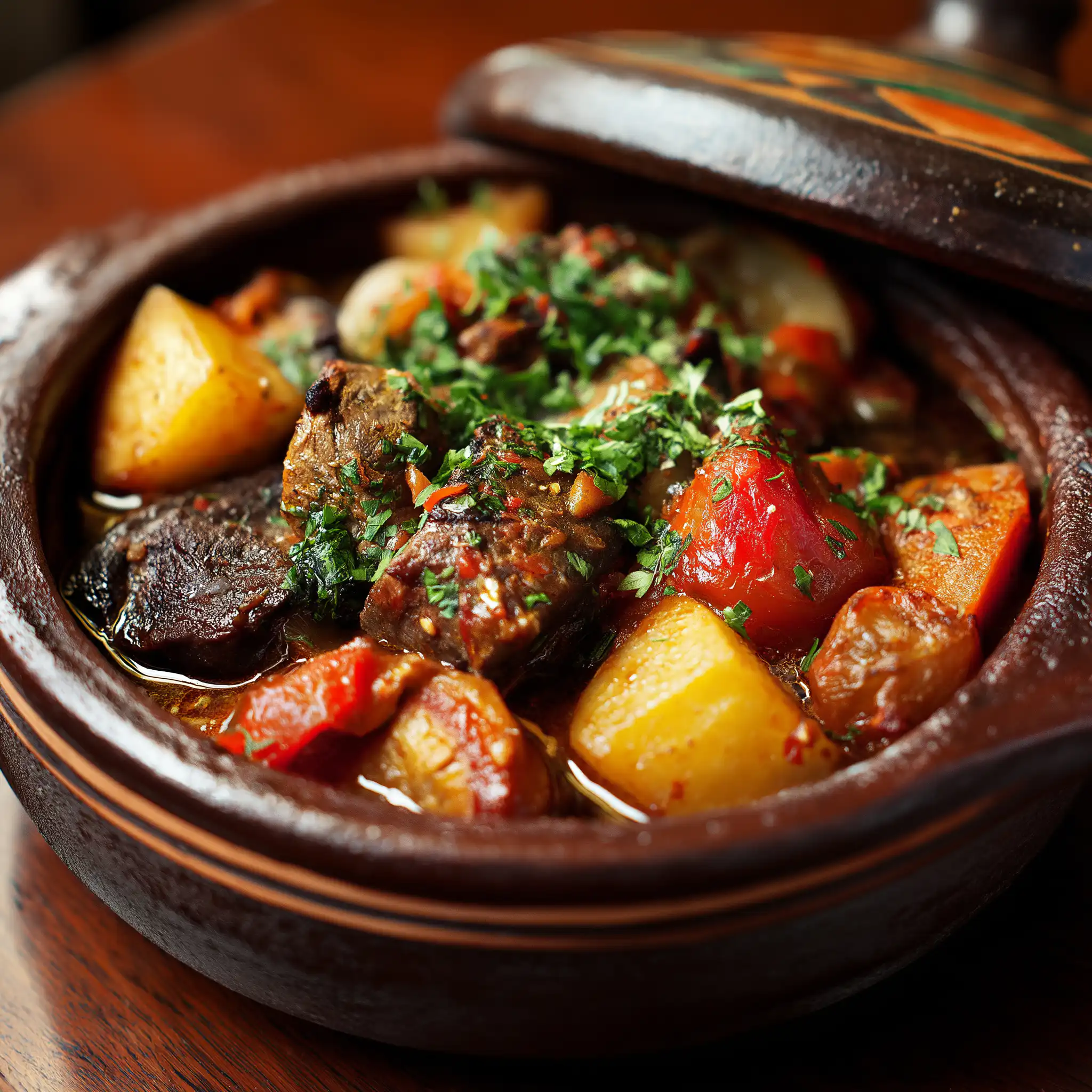
Serves 6 to 8. Allow about three hours, most of it unattended. Soak the beans overnight.
Ingredients
- 800g veal tripe, cleaned and blanched, cut into strips
- 1 pig’s trotter, split
- 400g dried white beans (feijão manteiga), soaked overnight
- 200g chouriço, sliced
- 150g presunto or smoked bacon, diced
- 2 chicken thighs, bone in
- 2 onions, chopped
- 4 garlic cloves, sliced
- 3 carrots, sliced into rounds
- 1 bay leaf
- 2 tsp ground cumin
- 1 tsp sweet paprika
- 100ml olive oil
- Flat-leaf parsley, chopped
- Salt and black pepper
- White rice, to serve
Method
- Rinse the tripe thoroughly. Simmer it with the trotter, a bay leaf and plenty of water for about 90 minutes, until the tripe is tender enough to cut with the side of a spoon. Keep the cooking liquid.
- In a separate pan, cook the soaked beans in fresh water until just tender, around 45 minutes. Do not salt them until they soften or the skins toughen.
- In a large heavy pot, warm the olive oil and cook the onions, garlic and carrots gently for 15 minutes until soft.
- Add the chouriço, presunto and chicken thighs. Cook for 10 minutes, letting the fat render and the paprika-red oil come out of the sausage.
- Stir in the cumin and paprika and cook for a minute so the spices open up.
- Add the drained tripe, the meat picked from the trotter, and the beans. Pour in enough of the reserved tripe liquid to just cover.
- Simmer uncovered for 45 minutes to an hour, until the sauce thickens and the beans start to break at the edges. Season well.
- Rest for 15 minutes off the heat. Scatter with parsley and serve with plain white rice alongside.
Buy tripe already cleaned and blanched. Every Portuguese butcher sells it that way and cleaning it from raw at home is a long, unpleasant job with no advantage.
Cook it with us in Porto
Our chefs walk you through Bolhão for the ingredients, then hand you a knife. Small groups, demo-and-do, lunch and a glass of Douro wine at the end.
Portuguese Tripas and Mexican Tripas Are Not the Same
Search for tripas in English and most of what comes back is Mexican. The word is shared, the dish is not, and the confusion is worth clearing up before anyone orders the wrong thing.
Mexican tripas are small intestine, cleaned and then grilled or fried until crisp, chopped and served in tacos with onion, coriander and salsa. The texture is crunchy and the cooking is fast and hot.
Portuguese tripas are stomach lining, mostly from veal, simmered for hours until soft in a bean stew. Slow, wet, mild, spiced with cumin. Beyond the shared word and the shared use of offal, the two have nothing in common, and someone arriving in Porto expecting crisp taco filling will be surprised by what lands.
Where to Eat Tripas à Moda do Porto
Look for traditional tascas and family restaurants rather than anywhere with a translated menu in the window. The dish is labour-intensive and cheap to sell, which means the places that make it properly tend to be the places that have always made it.
It is very often a daily special rather than a fixed menu item, and Thursday is the traditional day in many Porto kitchens, a habit that has survived without anyone quite remembering why. Ask rather than scanning the menu. Our guide to restaurants in Porto covers the places locals actually use.
Portions are large. It is usually served as a main with rice on the side, and one plate will comfortably do two people who want to try it without committing an entire lunch to it.
What to Drink With Tripas
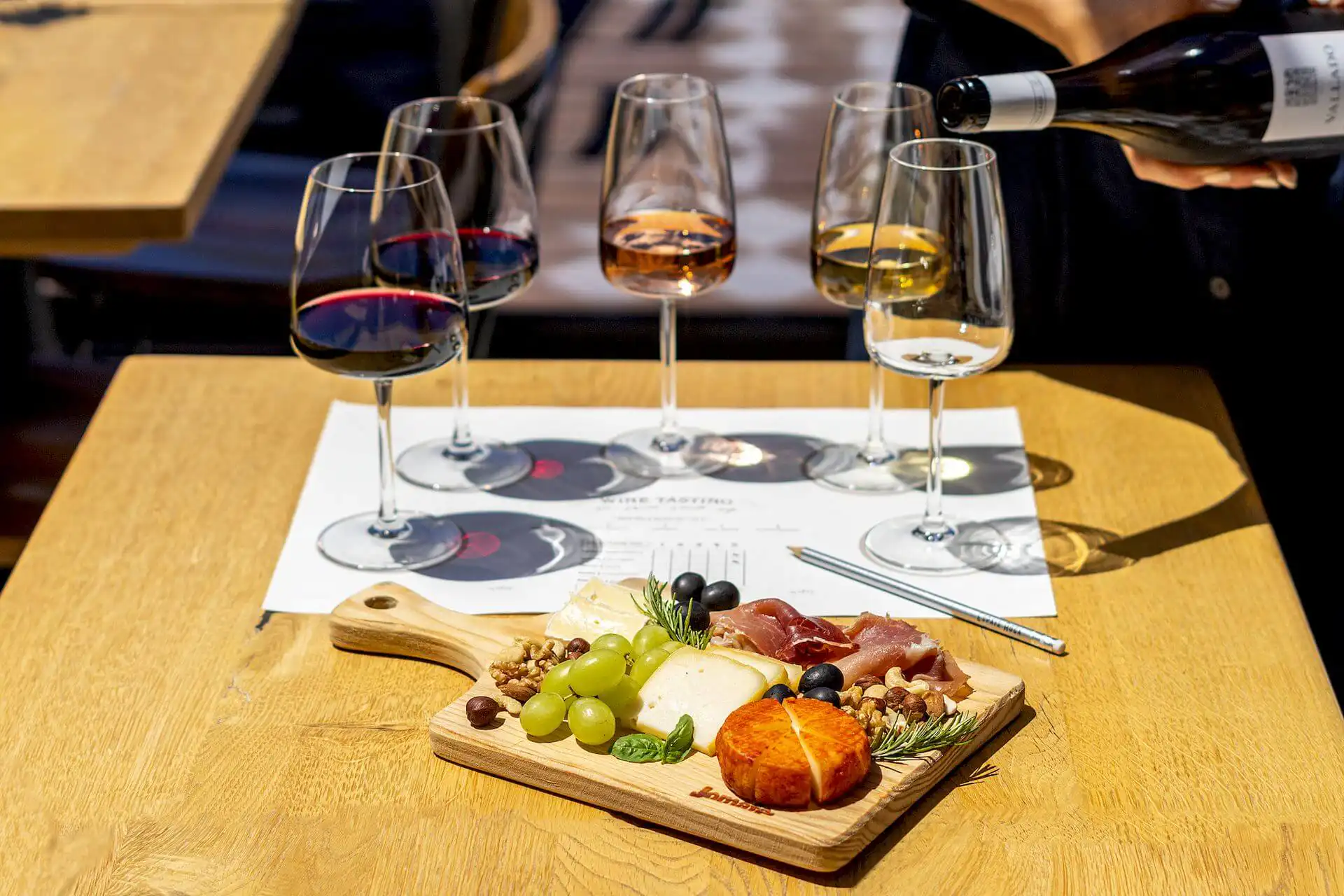
A young Douro red is the standard pairing and the right one. The dish is rich and fatty, and it wants acidity and firm tannin to cut through rather than anything soft or heavily oaked.
A red Vinho Verde, still made in the Minho and rarely exported, is the older local answer: sharp, low in alcohol, and built for exactly this kind of food. If you see it on a list in Porto it is worth ordering purely because you are unlikely to meet it anywhere else.
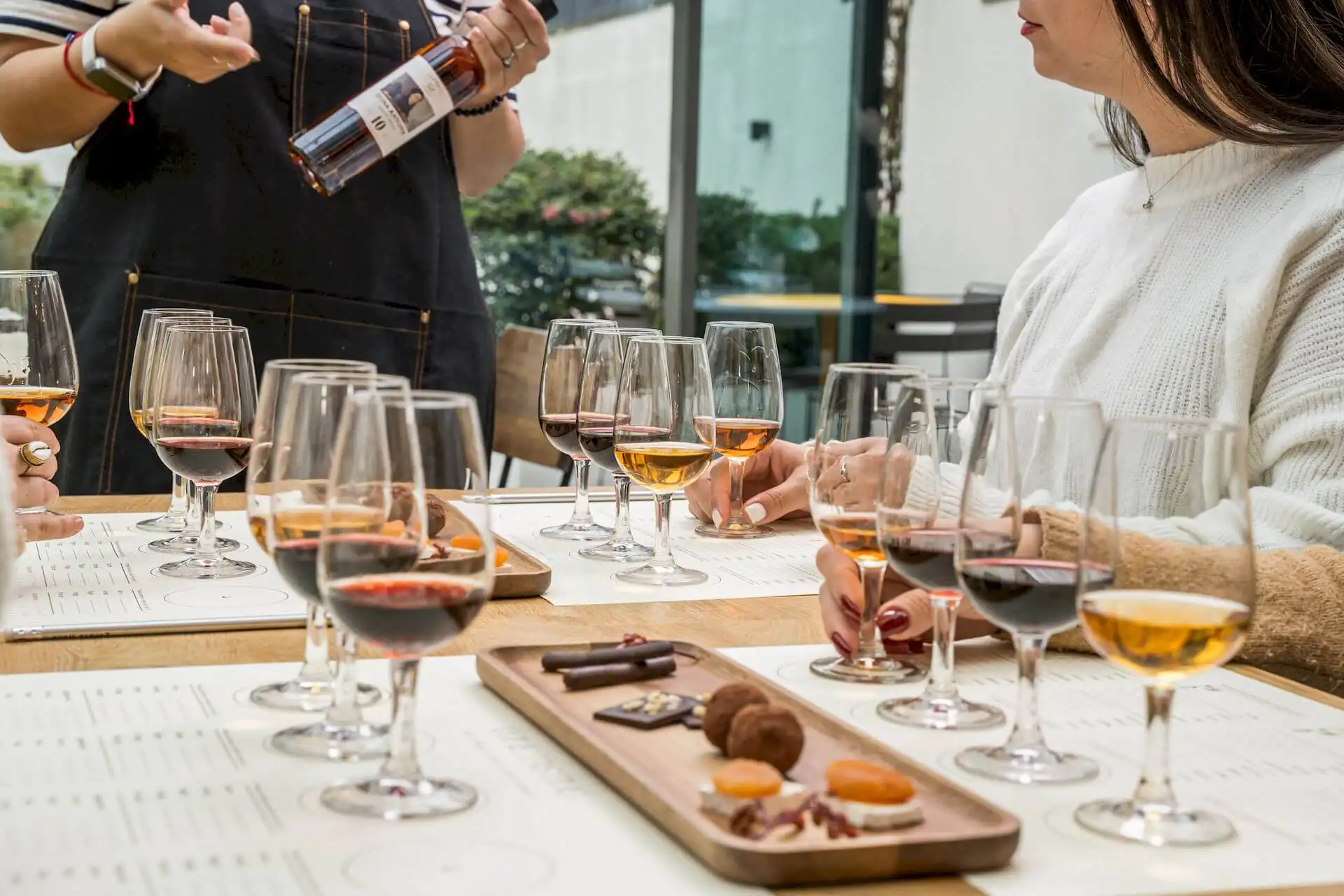
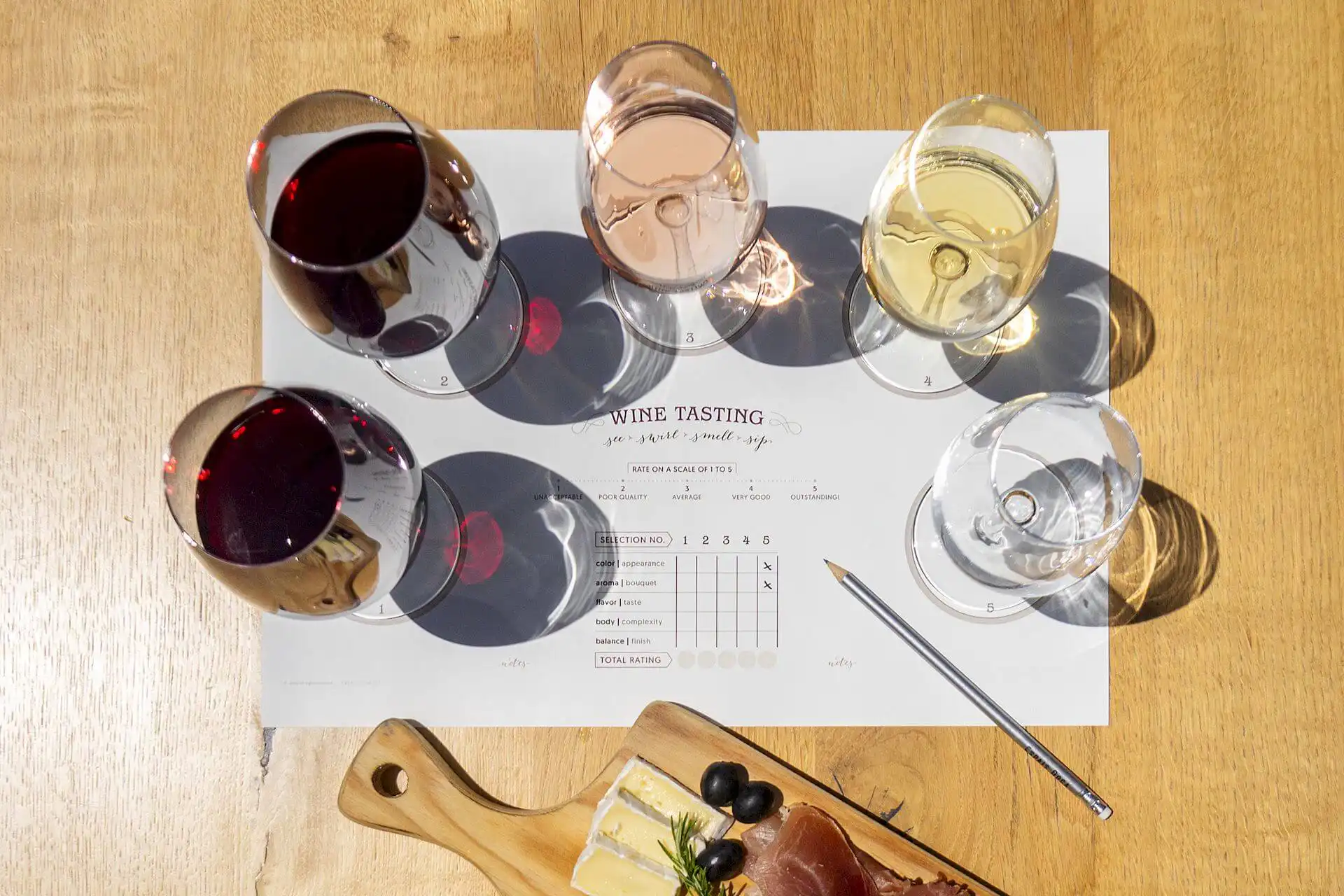
Our Porto wine tasting in the Orangerie works through five Douro wines and a Port with a cheese and cured ham plate, which is a useful way to find out what you like before you order a bottle to go with a plate this rich.

“We had the best time! Pricilla took us through a wonderful and interactive tour of the Bolhão Market. During the tour we learned a lot about the history of the market and were introduced to the ingredients for the meals to be made later. After a short walk we enjoyed cooking traditional Portuguese tapas! The recipes were super easy to make and tasted even better. If I could give this experience more than 5 stars I would! Highly recommend the Canto Cooking experience.”
— Abriel Jarrett, via
Learning Porto’s Food in Porto
Tripas is not on our class menu, and we will be honest about why: it needs three hours and a pot the size of a bucket, which does not fit a four-hour class that also includes a market walk and lunch. What our classes do teach is the thinking behind it, the cured meats, the beans, the spicing, the patience, applied to dishes that can be cooked and eaten in an afternoon.
We start at Bolhão, where the tripe sits on the counter next to everything else and nobody finds it remarkable, and that context tends to do more for a visitor’s understanding than any amount of reading. If you are weighing up options, we have written up the cooking classes in Porto, and the dishes we do teach are covered in our Portuguese tapas recipes.
Frequently Asked Questions
What Is Tripas à Moda do Porto?
A slow-cooked Porto stew of veal tripe and white beans with chouriço, presunto, chicken, carrot and cumin, served with white rice on the side. It is the dish that gives Porto locals their nickname, tripeiros.
Why Are Porto Locals Called Tripeiros?
Tradition holds that in 1415 the people of Porto gave all their meat to Prince Henry the Navigator’s fleet sailing to conquer Ceuta, keeping only the offal for themselves. They made a dish from what was left, and the nickname tripeiros, tripe-eaters, stuck. It is treated as a badge of pride rather than an insult.
What Does Tripas à Moda do Porto Taste Like?
Rich and savoury, dominated by cured pork and cumin rather than by the tripe itself. Properly cooked veal tripe is mild and takes on the flavour of the sauce. The texture is soft with a slight springiness, similar to squid. It reads as a hearty bean stew.
Is It the Same as Mexican Tripas?
No. Mexican tripas are small intestine, grilled or fried until crisp and served in tacos. Portuguese tripas are stomach lining, usually veal, simmered for hours in a bean stew. The word is shared but the dishes have nothing else in common.
What Beans Are Used in Tripas à Moda do Porto?
Feijão manteiga, the Portuguese butter bean, which stays intact through long cooking while turning creamy inside. White haricot or cannellini beans are reasonable substitutes.
Do You Have to Clean the Tripe Yourself?
No, and you should not try. Portuguese butchers and market stalls sell tripe already cleaned and blanched, which is what every home cook and restaurant uses. Cleaning from raw is a long job with no benefit to the finished dish.
Where Can I Eat Tripas à Moda do Porto in Porto?
Traditional tascas and family restaurants across the city, particularly around Bolhão, Cedofeita and the Ribeira. It is often a daily special rather than a fixed menu item, and Thursday is the traditional day in many Porto kitchens, so it is worth asking.
What Wine Goes With Tripas?
A young Douro red with firm tannin and good acidity to cut the richness. Red Vinho Verde, sharp and low in alcohol, is the older local pairing and rarely found outside northern Portugal.
Taste, Discover, Delight
Understand Porto through the food it is named for
Market tour, hands-on class, lunch with Douro wine, and the recipes to take home. Small groups at Canto de Luz on Rua do Almada.
Book a cooking class