

Rancho à Portuguesa is one of those classic Portuguese dishes that feels like a warm hug on a cold day. It’s a hearty, comforting soup packed with ingredients like potatoes, beans, cabbage, sausages, and pork, all cooked together with small pasta or rice. Originating from the Minho region in northern Portugal, Rancho is much more than just a soup — it’s a meal that brings people together and has been a beloved family favorite for generations.
If you’re curious about Portuguese food and want to discover some amazing local flavors, I recommend checking out this guide best restaurants in Porto, filled with local favourites and culinary gems. In this article, we will walk you through everything you need to know to make your own Rancho à Portuguesa at home, from its history to the ingredients and step-by-step cooking tips. It’s a great way to bring a little authentic Portuguese flavor into your kitchen.
The History and Origin of Rancho à Portuguesa
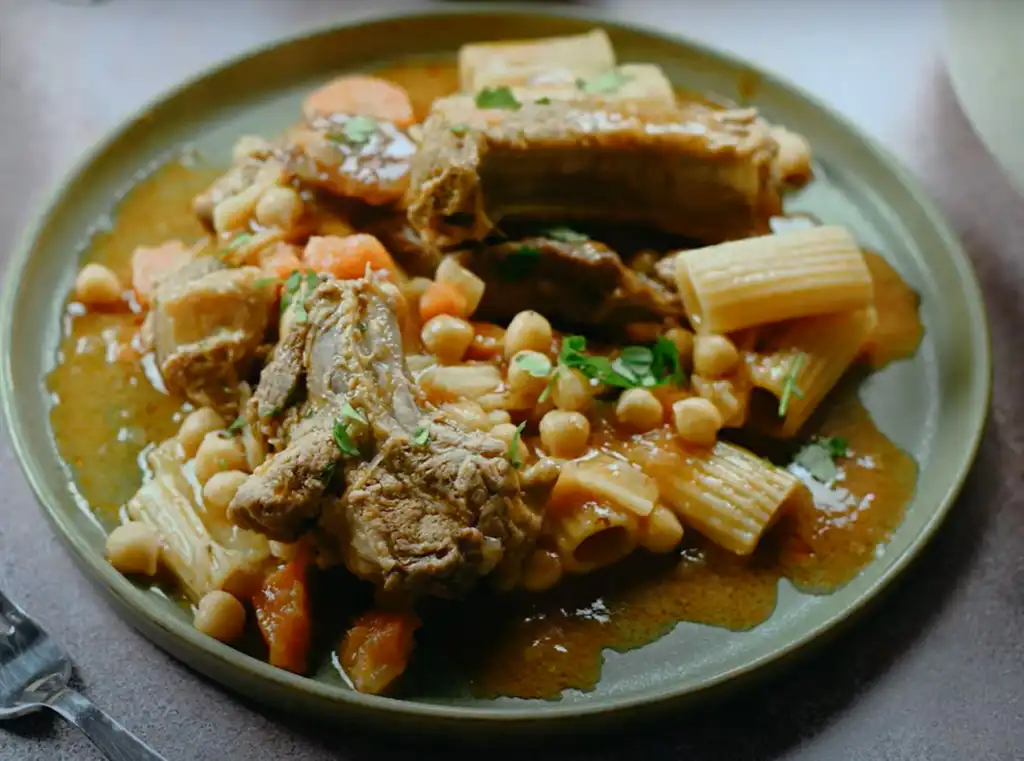
Rancho à Portuguesa has deep roots in the Minho region, located in the northwest of Portugal. This area is known for its rich agricultural traditions and hearty rural cuisine, where meals needed to be filling and nourishing to fuel the hardworking locals. Rancho was born from this need — a way to use a variety of simple, locally available ingredients to create a dish that could feed a whole family with ease and warmth.
Origins in Minho and Beyond
- Minho’s Influence: The Minho region’s cool, wet climate made it ideal for growing potatoes, cabbage, and beans — all key ingredients in Rancho. Additionally, pork and sausages were common in traditional farming households, providing the rich flavors that define the dish.
- Peasant Roots: Originally, Rancho was a peasant dish, made from leftovers and whatever was on hand, simmered together to create a thick, satisfying soup. Over time, it became a staple not just in Minho but across northern Portugal.
- Spread Across Portugal: While Minho is considered the birthplace, variations of Rancho developed in other regions. The base concept remained the same — a stew or thick soup with meat, vegetables, and pasta or rice — but local ingredients and customs influenced each version.
Cultural Significance
Rancho à Portuguesa is more than just a meal; it’s a dish that brings people together. Traditionally served during family gatherings, festivals, and community celebrations, it embodies a spirit of sharing and togetherness.
- Dish for Gatherings: Because Rancho can be made in large quantities and keeps well, it became a popular choice for big groups. Its heartiness also means it’s perfect for colder seasons or after long workdays.
- Festive Connections: In some parts of Portugal, Rancho is still prepared during special occasions like village festivals or religious holidays, reinforcing its role as a symbol of communal warmth and hospitality.
Variations Across Portugal and Abroad
As Portuguese communities spread worldwide, especially to places like Brazil, Canada, and the United States, Rancho adapted to local ingredients and tastes. While the essence remains, you might find:
- Use of different meats or sausages depending on availability.
- Addition of local vegetables or spices for a twist.
- Adjustments in thickness — some prefer a more soup-like consistency, others a stew-like heartiness.
Despite these variations, the soul of Rancho à Portuguesa stays intact — a comforting, shared meal that carries the legacy of Portugal’s rich culinary traditions.
For those planning a trip to Porto and interested in exploring more about Portuguese culture and local experiences, don’t miss the Funicular dos Guindais in Porto. It’s the perfect activity to enjoy alongside tasting authentic dishes like Rancho.
Step-by-Step Guide to Making Rancho à Portuguesa
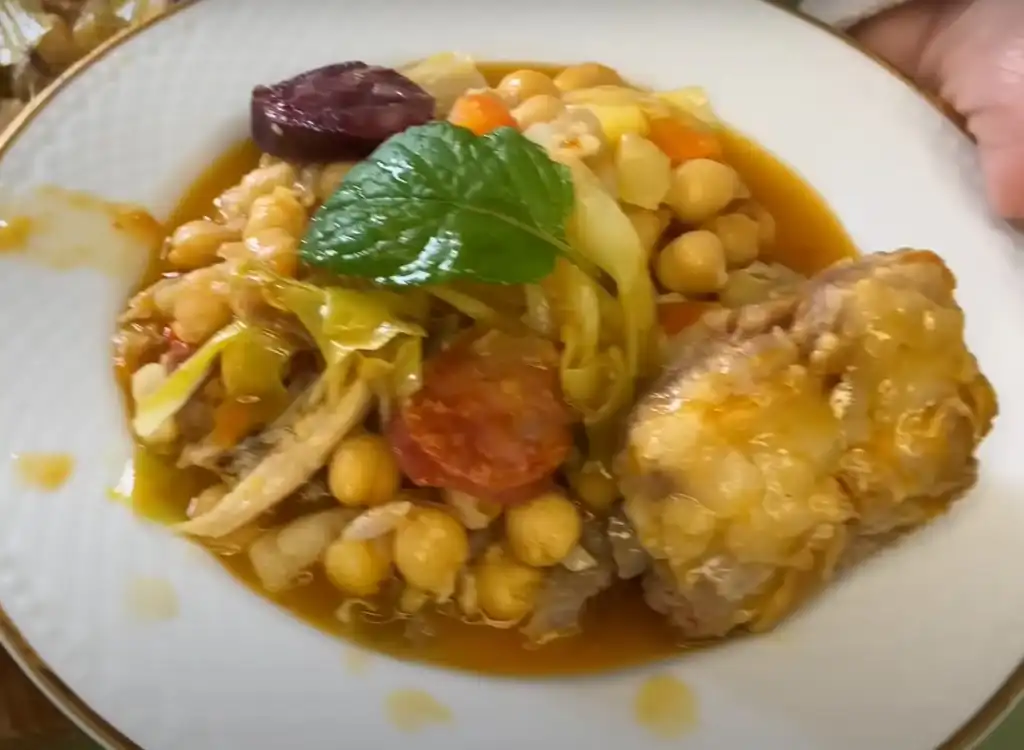
Rancho à Portuguesa is a beloved Portuguese dish that’s as comforting as it is filling. Often enjoyed during colder months or family gatherings, this thick, hearty soup combines a wonderful mix of meats, grains, pasta, and vegetables to create a meal that satisfies both the stomach and the soul. Here’s how to make it for about 4 servings.
Ingredients
- 250 g grain (such as chickpeas or white beans, soaked for a few hours or overnight)
- 150 g macaroni pasta
- 500 g beef (can be a mix of boiled beef and veal trotter or other cuts)
- 1 chorizo sausage, cut into thick slices
- 200-250 g bacon or pork belly, cut into large cubes
- 1 large onion, finely chopped
- 3 garlic cloves, crushed or minced
- 100 ml white wine
- 1 teaspoon paprika (preferably smoked for authentic flavor)
- 1 bay leaf (laurel)
- Olive oil for sautéing
- Salt and freshly ground black pepper to taste
- Optional: 4 large potatoes, peeled and diced into small pieces
Instructions
- Prepare the legumes (grain):
Start by soaking your chickpeas or beans in water for several hours or overnight if possible. This softens them and reduces cooking time. When ready, rinse and set aside. - Start the sauté base:
Heat a generous drizzle of olive oil in a large pot or deep pan over medium heat. Add the crushed garlic, chopped onion, and bay leaf. Cook gently, stirring occasionally, until the onions are translucent and fragrant — this usually takes about 5 to 7 minutes. - Add the meats:
Add the beef cubes, thick slices of chorizo, and large cubes of bacon or pork belly to the pot. Sprinkle the paprika, salt, and black pepper evenly over the meat. Stir everything well so the spices coat the meat, then let it cook until the meat begins to brown and develop a deep color. This step builds a rich flavor base for the dish. - Deglaze and simmer:
Pour in the white wine to deglaze the pan, scraping up any browned bits stuck to the bottom — those are packed with flavor! Add enough water to cover the meat and legumes. Bring the pot to a gentle boil, then reduce to a low simmer. Cover partially and let it cook slowly for about 30-40 minutes, or until the meat is tender and the legumes are cooked through. Keep an eye on the liquid level, adding more water if needed to maintain a soup-like consistency. - Add potatoes and pasta:
If you’re using potatoes, add the diced pieces now so they can cook and soften alongside the pasta. Add the macaroni pasta and a splash of hot water to the pot. Stir well and continue cooking until the pasta is just tender — usually around 8 to 10 minutes. - Final touches:
Once the pasta is cooked, taste the Rancho and adjust the seasoning with salt and pepper as needed. The consistency should be thick enough to coat the back of a spoon but still soupy — perfect for dipping crusty bread! - Serve and enjoy:
Remove the bay leaf and ladle the Rancho into warm bowls. This dish is best enjoyed hot and makes a wonderful centerpiece for any family meal or gathering.
Tips for the Best Rancho à Portuguesa
- Slow and low is key: Allowing the stew to simmer gently helps all the flavors meld beautifully.
- Make it ahead: Rancho tastes even better the next day after resting in the fridge — just reheat gently before serving.
- Customize your meats: Feel free to add smoked sausage, ham hocks, or different cuts of pork depending on what you have.
- Serve with traditional Portuguese bread: Crusty bread is perfect for soaking up the rich broth.
By following these steps, you’ll create a delicious, authentic Rancho à Portuguesa that’s both comforting and satisfying — a true taste of Portugal’s culinary heritage.
Variations and Regional Twists on Rancho à Portuguesa
Like many beloved traditional dishes, Rancho à Portuguesa isn’t made the exact same way in every household — and that’s part of its charm. While the dish originated in the Minho region of northern Portugal, over time it has evolved and taken on regional personalities, modern tweaks, and even vegetarian-friendly versions. Let’s explore some of the most common variations and how families across Portugal (and abroad) add their own twist.
Regional Differences: Minho vs. the Rest of Portugal
In Minho, where Rancho was born, the dish tends to be more rustic and meat-heavy. Locals often use cuts like veal trotter, pork belly, and homemade chouriço (Portuguese sausage), along with chickpeas and macaroni. The consistency is also notably thick — many say the stew should be able to hold a wooden spoon upright!
In other parts of Portugal, you’ll find subtle but meaningful differences:
- In the central regions, beans may replace chickpeas, and potatoes are more commonly added to the base.
- In the south, Rancho is sometimes lighter and includes rice instead of pasta, likely influenced by warmer weather and local grain preferences.
- Coastal towns might even introduce seafood or fish stock elements to reflect their local cuisine.
Vegetarian and Vegan Rancho
Traditionally, Rancho is very meat-centric, but modern diets and preferences have inspired plant-based interpretations. While not considered traditional, vegetarian and vegan Rancho has become more common in Portuguese households, especially among younger generations and in urban areas.
To make a meatless Rancho, consider:
- Replace the meat with hearty vegetables like mushrooms, sweet potatoes, and turnips.
- Using smoked paprika or vegan sausage to mimic the smoky flavor of chouriço.
- Swapping in vegetable broth for depth and umami.
- Adding greens like kale or collard for a wholesome, balanced version.
Despite the absence of meat, these versions still capture the essence of the dish — warm, filling, and deeply flavorful.
Simplified and Modern Takes
Today’s home cooks sometimes look for quicker, simplified versions of traditional dishes without compromising on flavor. Some modern adjustments include:
- Using canned chickpeas or beans instead of soaking and cooking dried legumes.
- Choosing leaner meats or only one type of meat for convenience.
- Cooking the entire dish in a pressure cooker or Instant Pot to speed up the process.
- Adding ready-cut frozen vegetables to reduce prep time.
These versions are perfect for weeknight meals when time is short but comfort food is still on the menu.
Family Traditions and Personal Touches
One of the most beautiful things about Rancho is how personal it becomes over time. Many Portuguese families have their own “house” version of Rancho that might include:
- A secret spice blend handed down through generations.
- Homemade sausages from the family farm.
- A splash of red wine instead of white.
- A pinch of chili flakes for extra warmth.
For many, Rancho isn’t just a dish — it’s a tradition. It’s what grandma made during the holidays, or what’s served when the whole family gathers around the table on a rainy Sunday.
Serving Suggestions and Pairings on Rancho à Portuguesa
Rancho à Portuguesa is one of those dishes that speaks for itself — rich, filling, and packed with flavor. It’s often served as a complete meal, especially during colder months or Sunday family gatherings. Still, the right accompaniments can turn your Rancho into a true Portuguese feast.
Traditional Serving Style
Rancho is usually ladled into deep bowls and served hot, fresh from the pot. Because of its thick, stew-like consistency, it pairs best with simple sides that let its bold flavors shine:
- Rustic Portuguese bread: Crusty, hearty bread is essential — not just to enjoy on the side, but to soak up all that delicious broth. Broa de milho (Portuguese cornbread) or any country-style loaf works beautifully.
- Pickled sides and olives: Bowls of green olives, pickled carrots, or onions are often placed on the table to add a salty, tangy balance.
- Simple salad: A crisp green salad with a drizzle of olive oil and red wine vinegar helps cut through the richness of the stew and adds a refreshing touch.
Wine Pairings
No Portuguese meal is complete without wine. Rancho’s robust, smoky flavor pairs best with equally bold wines:
- Douro Red: Deep and structured, red wines from the Douro Valley match the richness of the meats and chouriço in the dish.
- Vinho Verde Tinto: A slightly fizzy, rustic red from northern Portugal — especially enjoyed in the Minho region where Rancho originated.
- White Wines: If you’ve made a lighter or veggie version, try an Alvarinho or Vinho Verde Branco to bring out the fresher notes.
Make It a Memorable Portuguese Experience
While Rancho can easily stand alone, consider turning it into a full culinary experience. Set the table with a bottle of wine, light a candle, and finish your meal with a Portuguese dessert like arroz doce (sweet rice pudding) or pastéis de nata.
Want more traditional dishes to explore or try while you’re in Portugal? Don’t miss this guide to the Top 7 Traditional Foods to Eat in Porto, Portugal — a fantastic introduction to some of the country’s most iconic flavors, including the hearty spirit of meals like Rancho.
Tips for Cooking Rancho à Portuguesa Like a Pro
Cooking Rancho à Portuguesa is a rewarding experience, but like any traditional dish, there are a few tricks to getting it just right. Whether you’re making it for the first time or refining your family’s recipe, these tips will help you bring out the best in this comforting Portuguese classic.
Common Mistakes to Avoid
- Rushing the process: Rancho needs time. Don’t try to speed things up by cooking it on high heat — the flavors develop best when simmered.
- Overcooking the pasta: Since the dish is thick and holds heat well, pasta can easily turn mushy. Add it near the end of cooking and check for doneness often.
- Underseasoning: With hearty ingredients like meat, beans, and pasta, you need enough seasoning to balance the flavors. Taste as you go, especially after adding the broth or water.
- Using too little liquid: Rancho is meant to be thick but not dry. If it gets too dense, add hot water or broth gradually to reach your desired consistency.
Making It Ahead and Storing Leftovers
One of the great things about Rancho is that it gets even better the next day. The flavors meld overnight, making it ideal for meal prep or leftovers.
- Storage: Let it cool completely, then store in an airtight container in the fridge for up to 3–4 days.
- Freezing: Rancho freezes well too. Just leave out the pasta and add it fresh when reheating for the best texture.
- Reheating: Warm gently on the stove with a splash of water or broth to loosen it up and restore its original consistency.
Adjusting to Your Taste
Rancho is a flexible dish, and every cook has their own twist. Here’s how you can personalize it:
- Spice it up: Add a pinch of chili flakes or a splash of hot sauce if you like heat.
- Add greens: Stir in kale, spinach, or collard greens toward the end for extra color and nutrition.
- Switch the grains: Swap chickpeas with white beans or lentils, depending on what you have on hand.
Helpful Cooking Tools
While you don’t need fancy gear, a few tools make Rancho easier to prepare:
- Heavy-bottomed pot or Dutch oven: Ideal for slow, even cooking and layering flavors.
- Sharp knife: You’ll be chopping meat, sausages, and veggies — a good knife makes it easier.
- Wooden spoon: Great for stirring thick stews without scratching the pot.
With a little patience and the right approach, you’ll master Rancho à Portuguesa — and probably find yourself making it again and again.
Want to Master More Traditional Portuguese Dishes?
If diving deep into Portugal’s rich culinary heritage excites you, there’s no better way to begin than with Rancho à Portuguesa—a rustic, hearty stew that embodies comfort and tradition. But why stop there? Join a hands-on Portuguese Tapas Class + Bolhão Market Tour, where you’ll source fresh ingredients, cook with a professional chef, and enjoy classic Tapas dishes like flame-grilled chourizo and codfish pancakes—all inside a boutique kitchen in central Porto.
Portuguese Tapas Class + Bolhao Tour

Start the day with a guided tour of the world-famous Mercado do Bolhão, one of Porto’s culinary landmarks. Learn how to choose the freshest local ingredients that make Portuguese cuisine so memorable. Then, enjoy a short walk to Boutique Maison Canto de Luz, where you’ll be welcomed with a barista coffee and a fresh Pastel de Nata.
Main Course – Hands-On Cooking Workshop
Watch a professional chef in action, then dive into preparing your own dishes. You’ll learn how to create traditional Portuguese Tapas (or Tapiscos) like:
- Flame-Grilled Chouriço
- Fresh Clams in White Wine & Lemon
- Codfish Pancakes (Pataniscas de Bacalhau)
- Regional vegetarian and vegan favourites
Dessert – Sit, Sip, and Celebrate
After cooking, it’s time to enjoy your delicious creations with a crisp glass of Douro Valley wine. Want more wine? Additional glasses are available for purchase.
Bonus Takeaway
Every guest leaves with a goodie bag containing:
- Printed recipes
- A travel-friendly bottle of Aguardente (Portuguese brandy) to replicate the flaming chouriço trick at home
Why You’ll Love It
Whether you’re a seasoned foodie or a curious traveler, this immersive class is the perfect way to:
- Explore Porto’s culinary culture
- Refine your cooking skills
- Create unforgettable memories—and meals
If Rancho warmed your heart, this Tapas Tour will light your culinary spirit.