


At A Glance
Estádio do Dragão holds 50,033, sits on four metro lines, and is reachable from central Porto in under fifteen minutes for the price of a coffee.
- Opened 16 November 2003 with a 2-0 win over Barcelona, in which a 16-year-old Lionel Messi made his first-team debut.
- Metro lines A, B, E and F all stop at Estádio do Dragão. A single Z2 journey costs €1.40 plus €0.60 for the reusable Andante card.
- The museum and stadium tour costs €25 for adults, €20 for over-65s and €13 for children aged 5 to 12.
- Tours do not run on match days, so a stadium visit and a live game need two separate slots in your trip.
- Rua do Almada, where we cook, is a seven-minute walk from Trindade and four metro stops from the ground.
Porto empties in a particular direction on a match night. Trindade fills up around two hours before kick-off, the platform edge turns blue, and the trains east run heavier than usual until the whistle. If you are in the city for the food and the wine, as most of our guests are, an FC Porto home fixture is the one evening that will show you how the place behaves when it is not performing for visitors. It belongs on any honest list of things to do in Porto, and it costs less than most people expect.
What follows is the practical side of it: how to reach Estádio do Dragão on the Porto metro, how tickets actually work, what the evening looks like hour by hour, and where to eat either side of a game so you are not queuing for a stadium sandwich at half time. There is also the tour and museum, which is a different proposition altogether and worth its own afternoon.
We write this as hosts rather than as supporters. Our kitchen is fifteen minutes from the ground, our guests ask about matchdays constantly, and the answers they need are mostly logistical.
In Porto for a fixture?
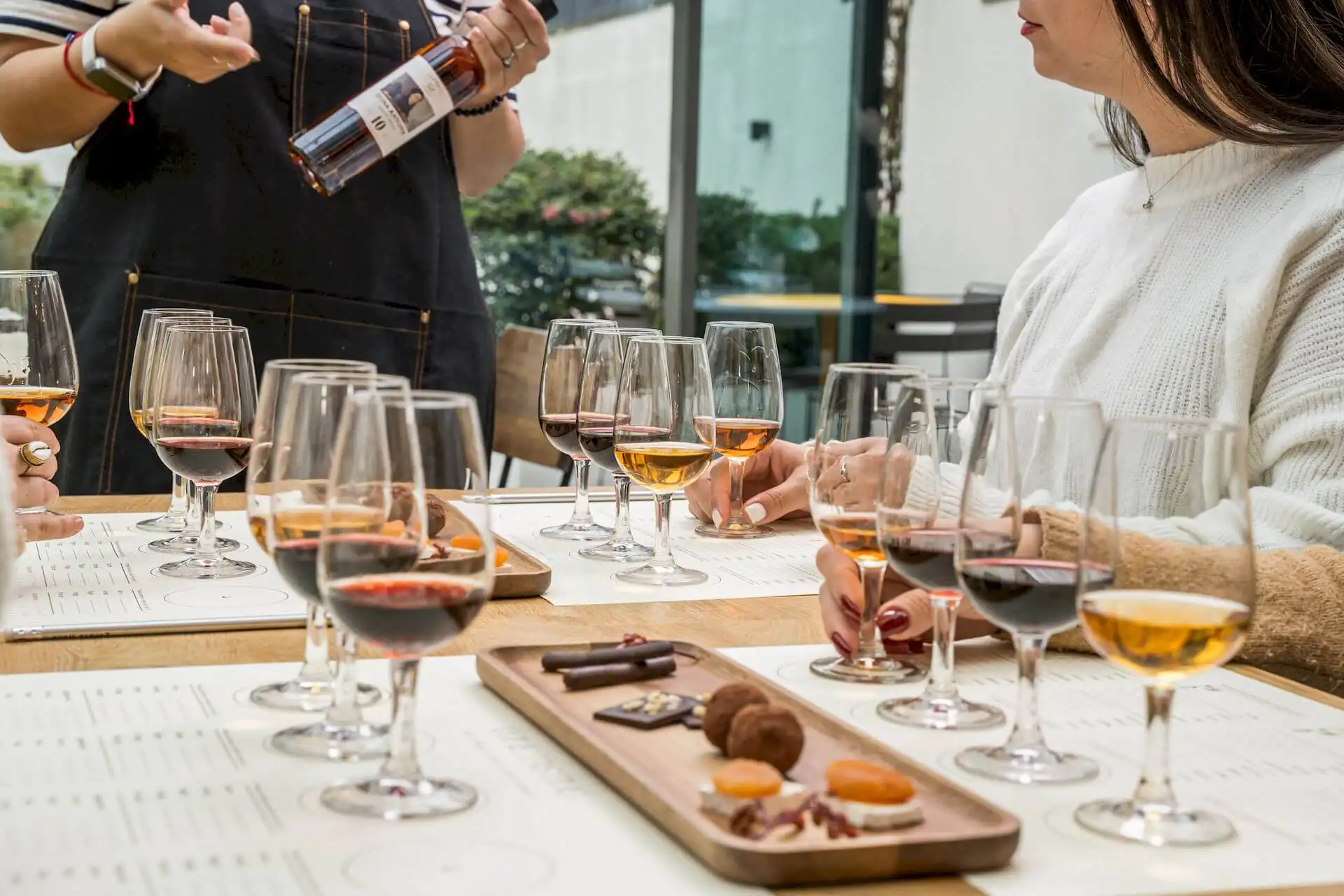
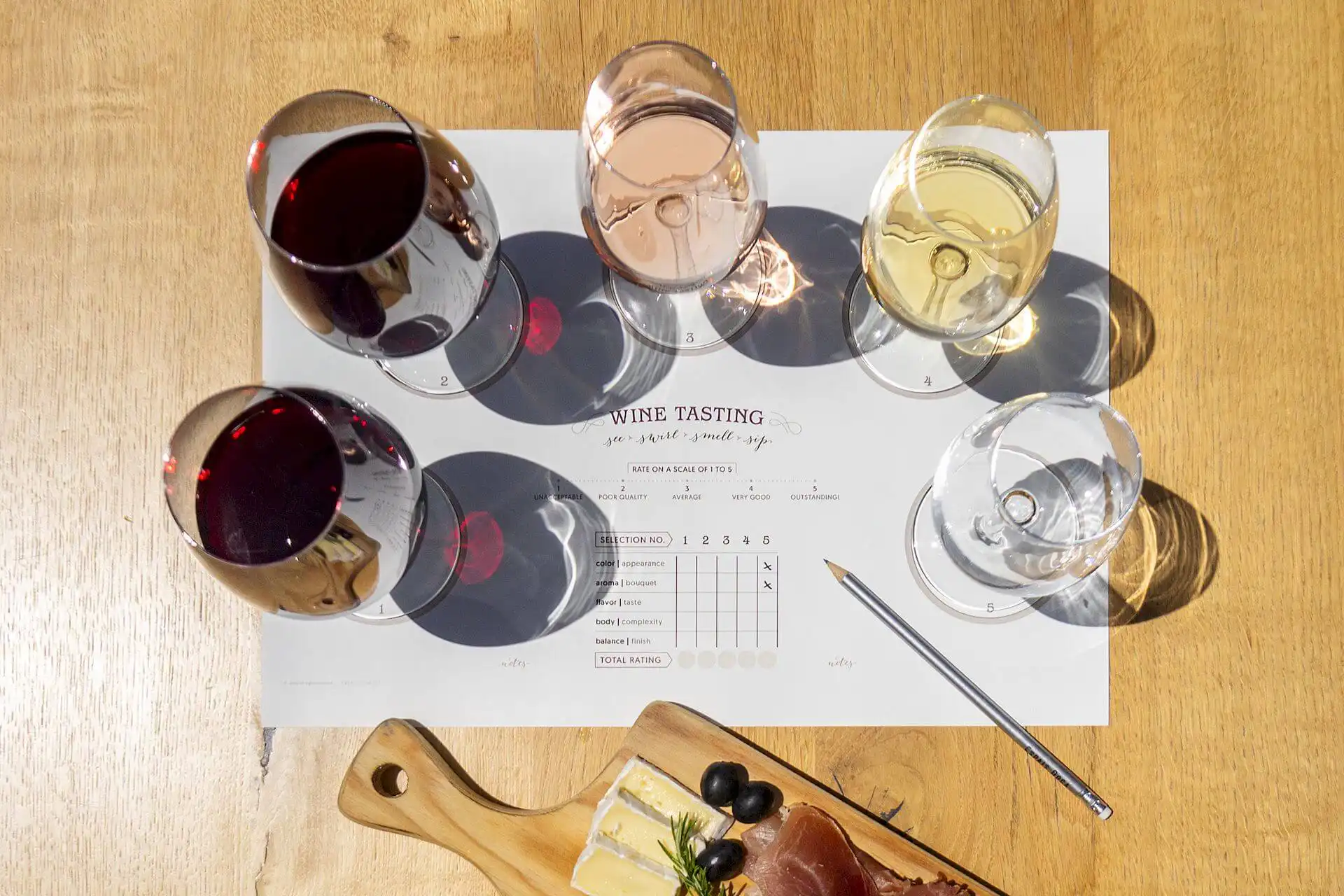
Our Port tasting runs an hour, which fits neatly into the gap between lunch and an evening kick-off.
The Stadium Porto Built for Euro 2004
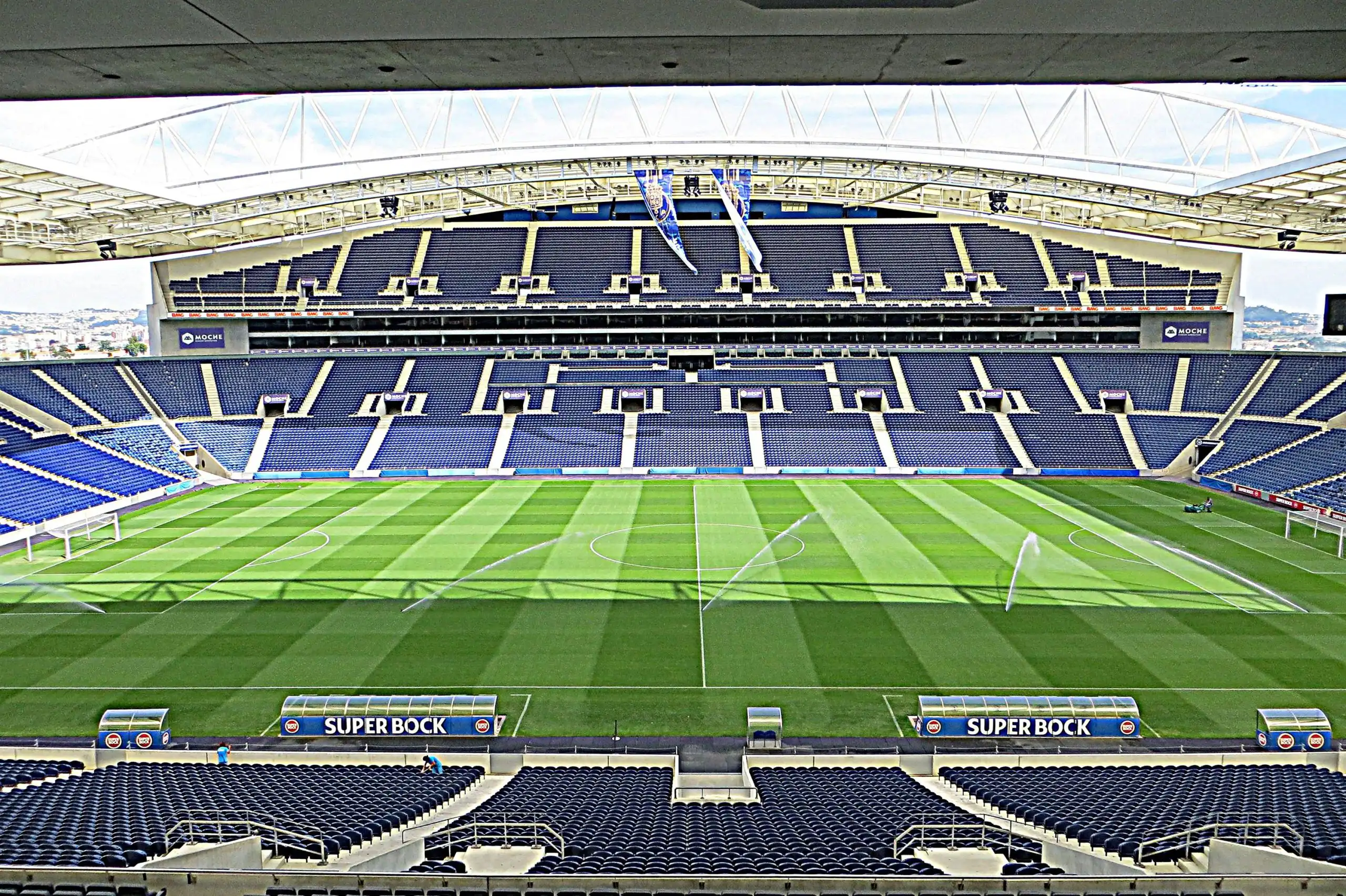
FC Porto spent seventy years at the Estádio das Antas before Portugal won the right to host the 2004 European Championship and the club took the opportunity to build something larger. The new ground went up a few hundred metres from the old one, in the same Antas district in the east of the city, at a cost of around €125 million. Manuel Salgado designed it: a clean white bowl with a curved roof that lifts away from the stands at either end, so the structure reads as light rather than heavy despite its size.
It opened on 16 November 2003 with a friendly against Barcelona that Porto won 2-0. Barcelona brought a sixteen-year-old on for the last half hour, which is how Lionel Messi came to make his debut for the club in a stadium the crowd had walked into for the first time that same evening. The attendance that night, 52,004, remains the record and sits above the current listed capacity of 50,033, which tells you something about how stadium counting worked before seat-by-seat ticketing.
The tournament it was built for treated it well. The Dragão hosted six Euro 2004 matches including the opening game, in which Greece beat Portugal 2-1 in front of a home crowd that had come expecting a coronation, and the semi-final in which Greece went through again at the expense of the Czech Republic. Seventeen years later it took the 2021 Champions League final at short notice when the game was moved out of Istanbul, and Chelsea beat Manchester City 1-0 on the same grass.
What the ground replaced matters to how the city feels about it. Porto played at the Estádio das Antas for seven decades, a bowl a few hundred metres from the current site that was pulled down once the new stadium opened. Supporters of a certain age still give directions relative to it. The Antas district itself is residential and unremarkable, a long way in character from the granite and tile of the old centre, which is part of why almost nobody stays out there and almost everybody arrives by metro.
The trophy record behind the club explains the volume. Porto have won the European Cup and the Champions League, in 1987 and again in 2004 under José Mourinho, along with the UEFA Cup in 2003 and the Europa League in 2011. That is an unusual haul for a club from a city of this size, and it is the reason a Tuesday night European fixture at the Dragão carries a weight that the fixture list alone would not suggest.
None of which is the reason to go. The reason to go is that the club fills it most weeks and the noise off the end where the organised support gathers is a genuinely different order of thing to the ambient hum of a Sunday tourist crowd in the Ribeira.
Getting to Estádio do Dragão from Central Porto
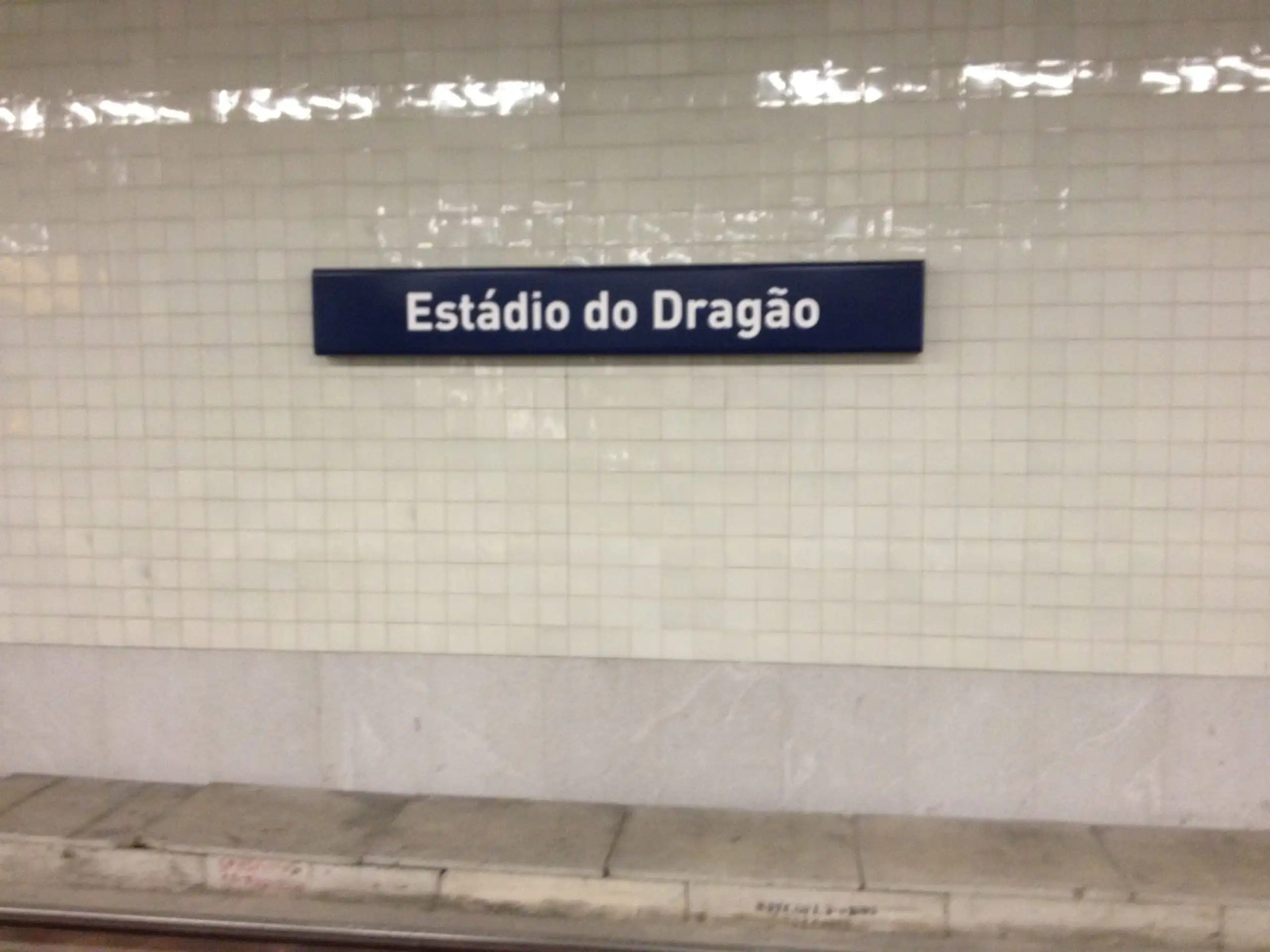
This is the easy part, and it is the single biggest reason a Porto match is a straightforward evening for a visitor. Four metro lines, A, B, E and F, terminate at a station called Estádio do Dragão, which sits directly outside the ground. You do not need to know which line you are on. If the front of the train says Estádio do Dragão, it is your train.
From the city centre that means boarding at Trindade, which is the interchange everything passes through, or at Bolhão or Campanhã depending on where you are staying. Journey time from Trindade is around eight minutes. The fare falls inside zone Z2, currently €1.40 for a single, loaded onto a reusable Andante card that costs €0.60 the first time you buy one. Our full guide to the Andante card covers the zone system if you are going to be using the network all week.
| From | Metro lines | Journey time | Single fare |
|---|---|---|---|
| Trindade | A, B, E, F | About 8 minutes | €1.40 (Z2) |
| Bolhão | A, B, E, F | About 6 minutes | €1.40 (Z2) |
| São Bento | Walk to Trindade, then metro | About 15 minutes total | €1.40 (Z2) |
| Campanhã | A, B, E, F | About 3 minutes | €1.40 (Z2) |
| Rua do Almada | Walk to Trindade, then metro | About 15 minutes total | €1.40 (Z2) |
Two things worth knowing. Buy your return before you go in, from a machine at any station, because the queues at Dragão afterwards are long and every one of them is buying a ticket at the same time. And do not drive. Parking near the ground is limited and the roads out are slow, which is the one piece of matchday advice every Porto local gives without being asked.
Coming back, the platforms fill quickly at full time but the service is frequent and the crowd moves. Fifteen to twenty minutes on the platform is normal after a full house. If you would rather skip it entirely, walk ten minutes west into the Campanhã area and pick the metro up a stop later, or simply sit in a bar near the ground for half an hour and let it clear.
How to Get FC Porto Tickets
Tickets go on sale fixture by fixture rather than as a season-long block for visitors, and prices are set per match and per stand. A midweek league game against a lower-half side is a very different price and availability proposition to a Champions League night or a Clássico. Three routes are worth knowing, in this order.
1. The Official FC Porto Website
Buy direct where you can. The club sells match tickets through its own site, releases them a couple of weeks ahead for league fixtures, and prices them considerably below what any resale platform will quote you. You will need to create an account, which takes a few minutes and is worth doing before the tickets go live rather than while they are selling.
Category and stand matter more than at a smaller ground. The upper tiers behind the goals are the cheapest and are where the singing comes from, which some visitors want and others very much do not. The side stands cost more and give you a view of the game rather than a view of the crowd. Families and anyone bringing children are generally better in the side stands.
2. The Ticket Office at the Stadium
For an ordinary league fixture that has not sold out, the ticket windows at the ground are the simplest option and remove any confusion about mobile ticketing, name matching or collection. Go a day or two in advance rather than on the afternoon of the game. The metro drops you outside, so it costs you an hour of a Porto day at most.
This route also lets you ask a human where to sit, which is genuinely useful in a bowl this size. Staff will steer you away from the away end and towards whichever block still has pairs or groups together, something an online seat map will not do for you.
3. Resale Platforms and Hospitality Packages
For a sold-out fixture, and the derbies against Benfica and Sporting sell out, the resale market is what is left. Expect to pay a multiple of face value and read the delivery terms before you pay, because some listings are mobile transfers that only arrive close to the match and some are for club-member cards that require the named holder to attend.
Hospitality packages sold through official partners are the other route into a sold-out game. They cost more again but they are certain, they usually include a seat in a side stand, and for a once-in-a-trip occasion some people decide that is the trade they want. Whichever you use, book the stay and the trip around the fixture only once you actually hold the ticket.
What a Matchday at the Dragão Actually Looks Like
Portuguese league kick-offs are late by northern European standards. Weekend games often start at 18:00 or 20:30, and midweek European fixtures at 20:00. That shapes the whole day: you have the full daylight for the city and the evening for the football, which is a far better arrangement than the reverse.
The area immediately around the ground is not a pub district. There are kiosks, a shopping centre alongside the stadium, and vendors selling scarves and beer on the approach, but it is not somewhere you would choose to spend three hours. Locals eat in the city and travel out, which is the pattern to copy.
| Time | Where you are | What is happening |
|---|---|---|
| 18:00 | City centre | Eat properly. Nothing at the ground is worth going hungry for. |
| 19:00 | Trindade or Bolhão | Buy the return leg now. Platforms are already filling. |
| 19:15 | On the metro | Six to eight minutes east, standing room only. |
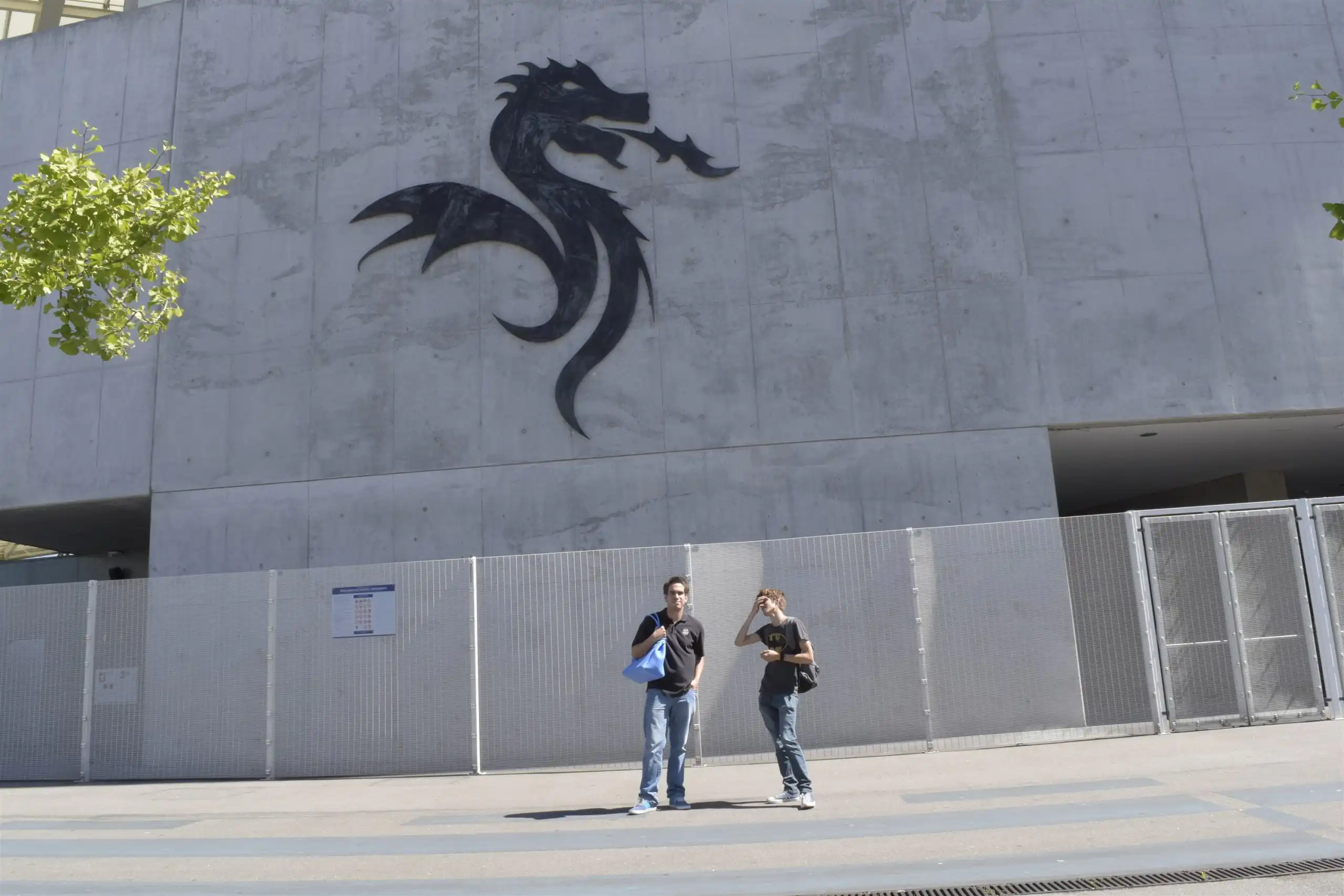
| 19:30 | Outside the ground | Scarf sellers, kiosks, the concrete dragon on the west wall. |
| 19:50 | Turnstiles | Bag checks. Aim to be inside forty minutes before kick-off. |
| 20:25 | In your seat | The anthem, the flags across the stand behind the goal, the noise. |
| 22:30 | Platform | Fifteen to twenty minutes to get on a train after a full house. |
Bag rules are enforced and large bags are not permitted, so travel light. Flares and banners on poles are refused at the gate. Card payment works inside the ground and at most kiosks outside it. Bring a layer even in summer, because the roof design that makes the stadium look so good also funnels a cool wind across the upper tiers once the sun is gone.
One cultural note. The singing end is organised, loud, and stands for the full ninety minutes. The Super Dragões run it, they arrive early, and they do not sit down. If you have bought a seat there, you are standing too. Nobody minds a visitor who does not know the songs, but sitting down in the middle of that block will make you conspicuous in a way you may not enjoy.
Which fixture you pick changes the evening more than any other decision. A midweek game against a mid-table side is relaxed, easy to get into and a good introduction. O Clássico against Benfica is the other extreme: sold out months ahead, policed heavily, and not the game to bring a nervous first-timer to. Sporting is close behind it. The city derby against Boavista, whose ground sits a few kilometres west, is the one locals will tell you about and visitors rarely know exists.
Children are welcome and there are usually families in the side stands, though the late kick-offs make a 20:30 game a long night for anyone small. An 18:00 weekend fixture is the sensible one to choose if you are bringing them, and it leaves the evening free for dinner at a normal hour afterwards.
Before the football, the food
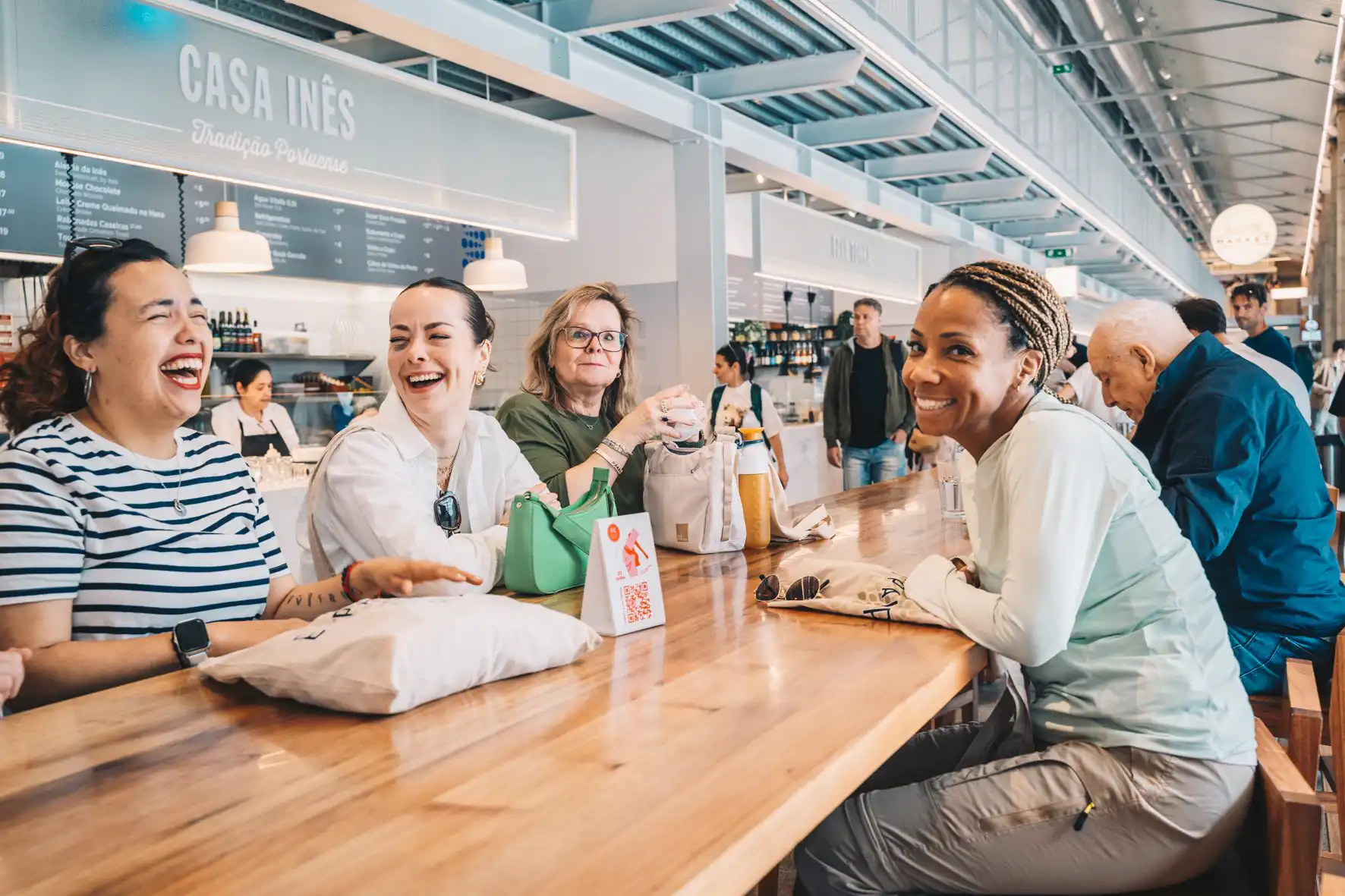
Our market tour and tapas class runs in the morning and finishes with lunch and a glass of Douro wine, which leaves the whole evening free for a fixture. Small groups on Rua do Almada, four metro stops from the ground.
Where to Eat Before and After the Match
Porto’s late kick-offs create an awkward gap. Eat at 18:00 and you are eating earlier than any Portuguese person would; wait until after the final whistle and you are looking for a kitchen at 23:00, which narrows the field considerably. Both are solvable, and the solution is different depending on which side of the game you want your meal.
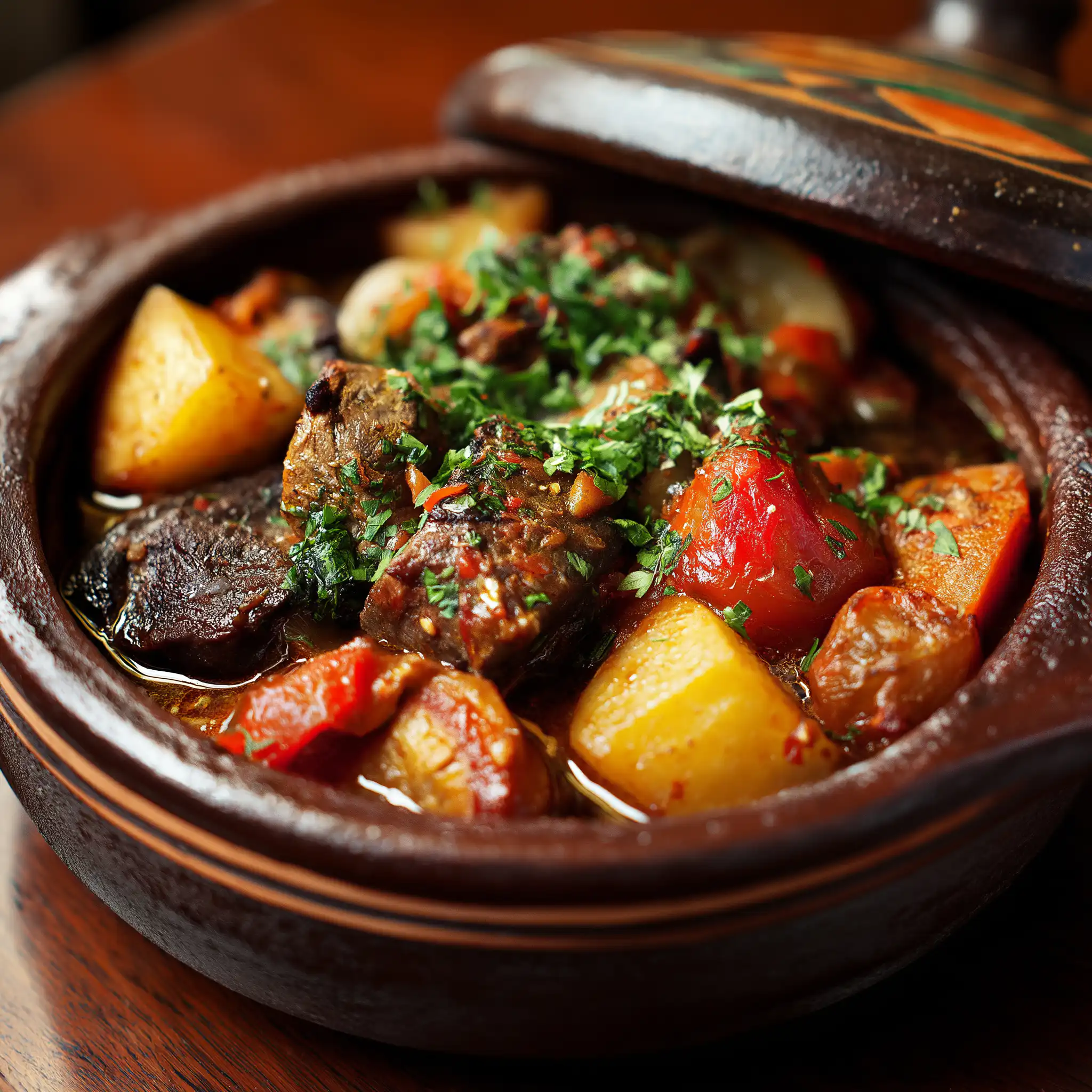
Before the game, the honest answer is a bifana. It is a thin pork sandwich in a soft roll, it is served fast at any counter in the centre, it costs a few euros, and it was designed for exactly this: something eaten standing up before going somewhere. Pair it with a small beer and you are done in fifteen minutes with time to spare on the metro.
After the game is when the francesinha earns its reputation. It is the city’s late-night dish, sold well past midnight by the places that specialise in it, and the crowd in a francesinha house at 23:30 after a home win is one of the more entertaining rooms in Porto. Our guide to restaurants in Porto has the places that keep proper kitchens running late, and the bars guide covers where the night goes after that.
Eating around a fixture
- Two hours before kick-off, a bifana and a beer at a counter in the centre.
- Three hours before, a full sit-down lunch or an early dinner, ordered by 18:00 at the latest.
- At the ground, kiosks and stadium bars only. Treat it as a drink, not a meal.
- Straight after the whistle, francesinha, which is served late and is the local habit.
- Late and still hungry at midnight, the counters around Bolhão and Cedofeita are the ones still open.
If you are shopping for your own ingredients on a matchday morning, Mercado do Bolhão is ten minutes from Trindade and the counters are at their best before midday. It is also where our own market walk starts, for the same reason.
The Stadium Tour and Museum on a Non-Match Day
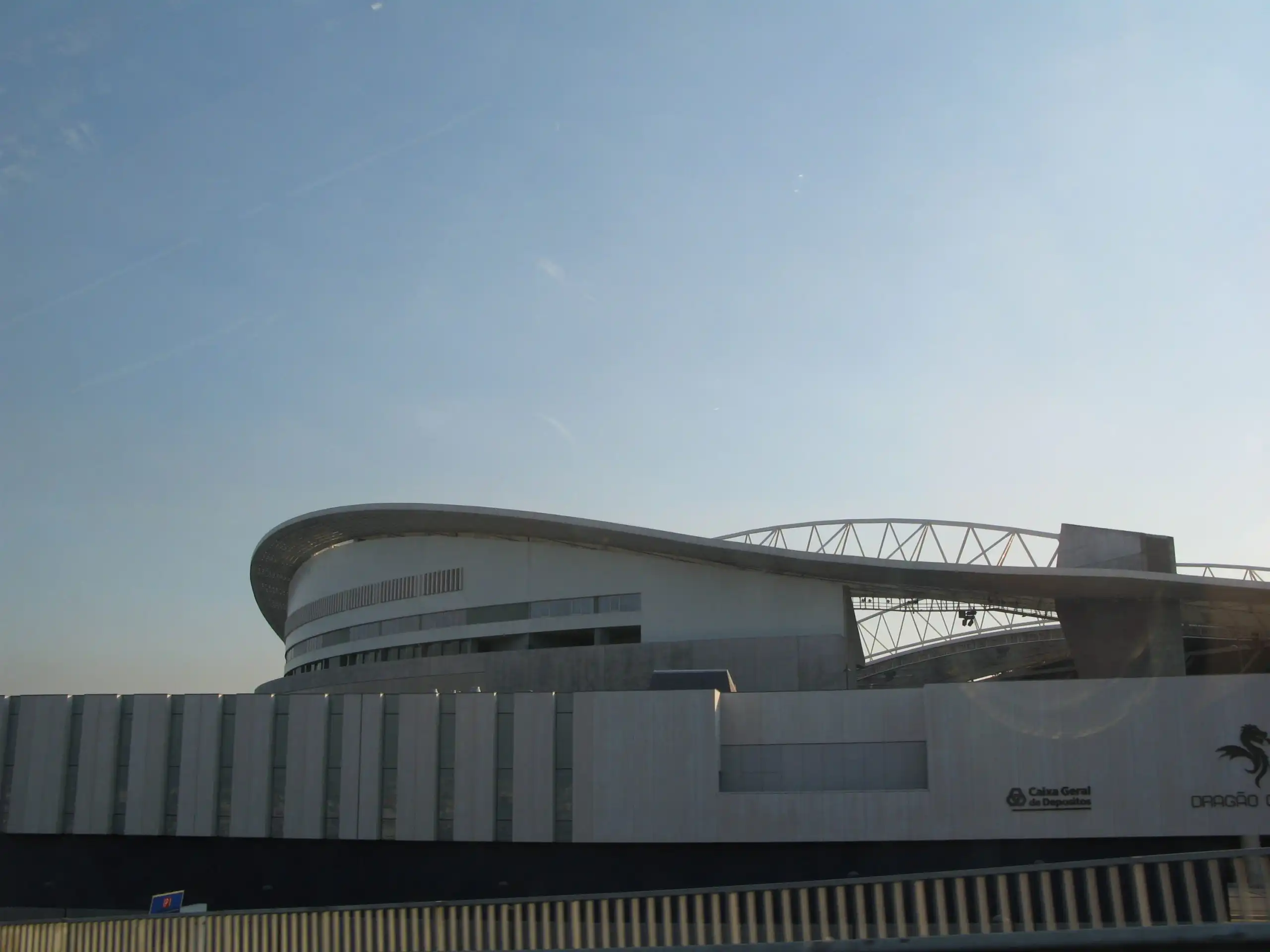
If your dates do not line up with a fixture, or if you want to see the inside of the place properly rather than from row 40, the museum and stadium tour is the alternative and it is a substantial one. The museum covers the club’s history across three floors, and the stadium portion takes you through the tunnel, the dressing rooms, the press area and pitchside.
Neither part is guided in the traditional sense. FC Porto provides audio guides and an app in Portuguese, English, French, Spanish and German, and you move at your own pace through the museum, then join a stadium departure at a set time. Tours are booked at the museum reception on arrival, so if you are on a tight schedule it is worth going early in the day rather than late.
| Ticket | General public | Club member |
|---|---|---|
| Adult (13 to 64) | €25.00 | €10.00 |
| Senior (65+) | €20.00 | €8.00 |
| Child (5 to 12) | €13.00 | €6.00 |
The one restriction that catches people out: stadium tours do not run on match days, nor on the eve of UEFA fixtures, nor when there is a major event on the pitch. You cannot tour the ground in the afternoon and watch a game there the same evening. If you want both, they need to be two separate days in your itinerary, and the tour is the one to move.
The museum is stronger than most club museums, partly because Porto have more to display than most clubs their size. The European trophies are there, both the 1987 European Cup and the 2004 Champions League, alongside the UEFA Cup and Europa League and a long run of domestic silverware. The Euro 2004 material is the part that will interest anyone who is in Porto for the city rather than the club, since the tournament rebuilt this corner of it.
Allow two hours for the pair of them if you are interested in the history, or about an hour if you are mainly there for the tunnel and the pitch. Children old enough to know who Porto are tend to get more out of it than adults do. The tour is one of the few things in the city that reliably works in bad weather, which in a place with Porto’s rainfall is not a small consideration.
Building a Porto Trip Around a Home Fixture
A home game is a three-hour commitment plus travel, which leaves a Porto trip almost entirely intact around it. The practical planning question is where you sleep, and the answer for a matchday visit is the city centre rather than anywhere near the ground itself. Antas is residential and quiet, and everything you would actually want to do before and after a game is in the centre.
Anywhere within walking distance of Trindade puts you on the right metro line without a change. Rua do Almada, where the Canto de Luz maison and our own kitchen sit, is one of those streets: seven minutes on foot to Trindade, ten to Bolhão, and four metro stops from the turnstiles. Our guide to the best areas to stay in Porto goes through the alternatives if you want to compare neighbourhoods properly.
On timing, the Primeira Liga season runs from August to May, with European fixtures folded into midweeks from September. That covers most of the year but not the high summer, so if you are travelling in July there will be no league football to see and the tour is your only option. When to visit Porto is worth a read if the football is a factor in choosing dates rather than a bonus on top of them.
Check the fixture list before you book flights rather than after. Dates move for television, sometimes by a day and occasionally by more, and a Saturday fixture confirmed in July can be a Sunday fixture by September.
“Lina was so fun and had a unique knowledge of the local history! The tour was amazing, we learned so much about Porto’s culture, food and history! 10/10 recommend. Also loved the smaller group size!”
— Djenne Parris, via Google
More to Explore
A matchday is one evening. The rest of the trip is where Porto does its real work, and these are the guides our guests use most:
- Traditional foods to eat in Porto, including the ones that are not the francesinha
- The Porto metro explained, lines, zones and where they actually take you
- Cooking classes in Porto, compared honestly
- A long weekend in Porto, if you are building the whole trip around one fixture
Frequently Asked Questions
What Is the Capacity of Estádio do Dragão?
50,033. The record attendance is higher, 52,004, set at the inaugural match against Barcelona on 16 November 2003 under the seating arrangements of the time.
How Do I Get to Estádio do Dragão from Porto City Centre?
Take the metro. Lines A, B, E and F all terminate at Estádio do Dragão station, immediately outside the ground. From Trindade the journey is about eight minutes and a single fare in zone Z2 costs €1.40, plus €0.60 for the reusable Andante card if you do not already have one.
Is It Easy to Get FC Porto Tickets?
For most league fixtures, yes. Tickets are released a couple of weeks ahead on the official FC Porto website and are also sold at the stadium ticket office. Champions League nights and the derbies against Benfica and Sporting sell out, and for those you are looking at resale platforms or official hospitality packages at well above face value.
How Much Does the Estádio do Dragão Stadium Tour Cost?
The combined museum and stadium tour costs €25 for adults aged 13 to 64, €20 for over-65s and €13 for children aged 5 to 12. Club members pay €10, €8 and €6 respectively.
Can I Tour the Stadium on a Match Day?
No. Stadium tours are suspended on match days, on the eve of UEFA fixtures and when a major event is scheduled on the pitch. A tour and a live game need two separate days in your itinerary.
What Time Do FC Porto Home Games Kick Off?
Later than most visitors expect. Weekend league fixtures commonly start at 18:00 or 20:30, and midweek European games at 20:00. Exact times are confirmed by the league and by television a few weeks ahead, so check the fixture before booking travel.
Where Should I Eat Before an FC Porto Match?
In the city centre rather than at the ground. The area around the stadium has kiosks and a shopping centre but little worth a sit-down meal. A bifana at a counter in the centre two hours before kick-off is the local habit, with a francesinha afterwards, since Porto serves them late.
Should I Drive to Estádio do Dragão?
No. Parking near the ground is limited and the roads out afterwards are slow. Four metro lines terminate at the stadium, which makes driving the least convenient option available.
When Does the Portuguese Football Season Run?
The Primeira Liga season runs from August to May, with European fixtures added in midweeks from September onwards. There is no league football in June or July, so a summer visit means the museum and stadium tour rather than a live match.
Taste, Discover, Delight
Fill the daylight hours before kick-off
Market tour, hands-on class, lunch with Douro wine, and the recipes to take home. Small groups at Canto de Luz on Rua do Almada, four metro stops from the Dragão.
Book a cooking classImage credits: floodlit match by Edgar Jiménez (CC BY-SA 2.0); interior bowl by Mister No (CC BY 3.0); metro station by Acruz319 (CC BY-SA 4.0); dragon emblem by Alberto Brandolini (CC BY-SA 2.0); stadium exterior by Béria Lima de Rodríguez (CC BY-SA 3.0). All via Wikimedia Commons.