


At A Glance
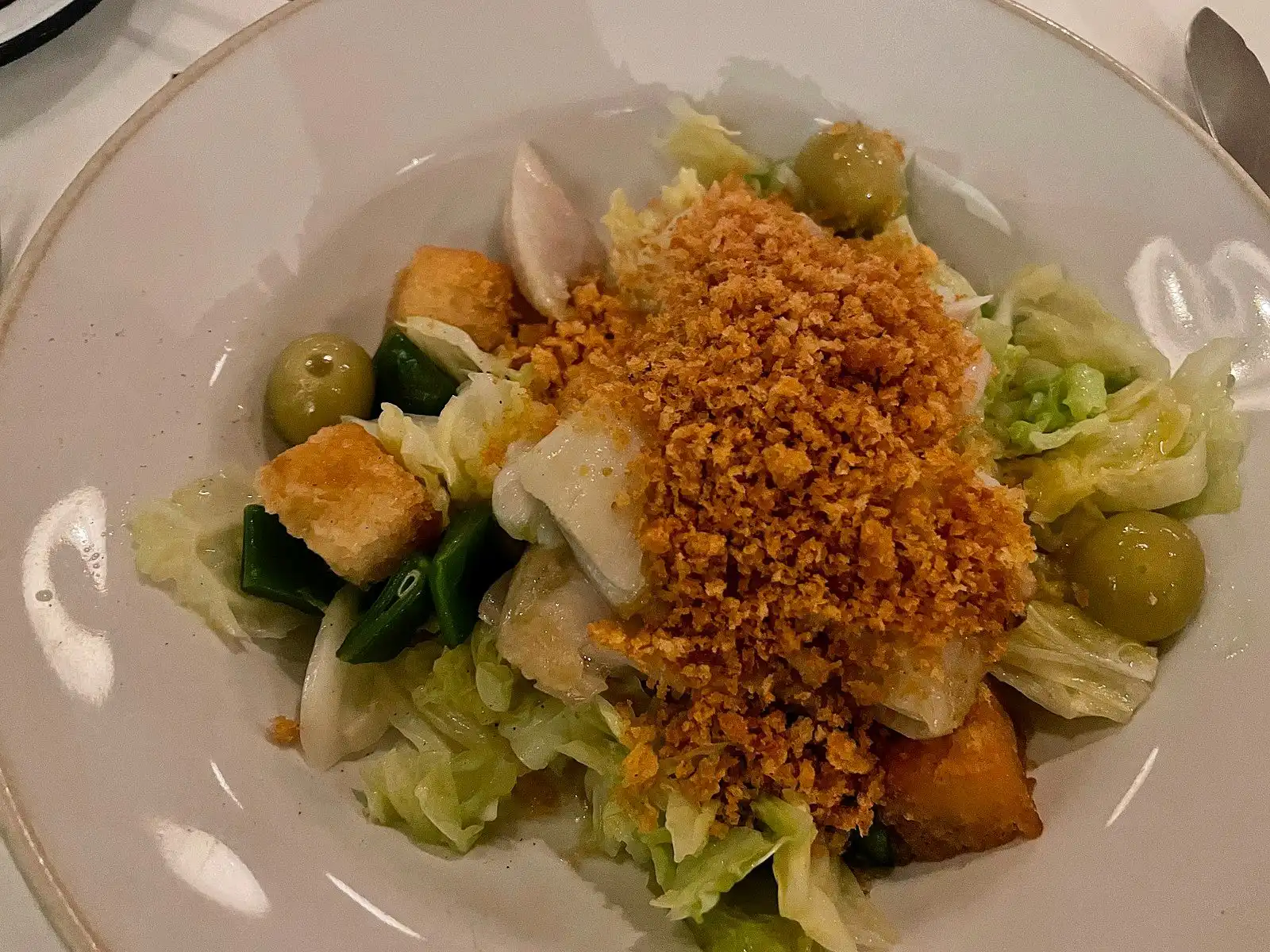
Bacalhau à Gomes de Sá is Porto’s own salt cod dish, layering soaked cod with potatoes, onions and olive oil, finished with egg and olives.
- Created in Porto in the late 1800s by José Luís Gomes de Sá Júnior, the son of a cod merchant.
- Salt cod needs 24 to 48 hours of soaking, with the water changed 4 to 6 times.
- Portugal claims 1,001 ways to cook bacalhau, and calls it fiel amigo, the faithful friend.
- Thick loin cuts need the full 48 hours; thin tail pieces are ready in about 24.
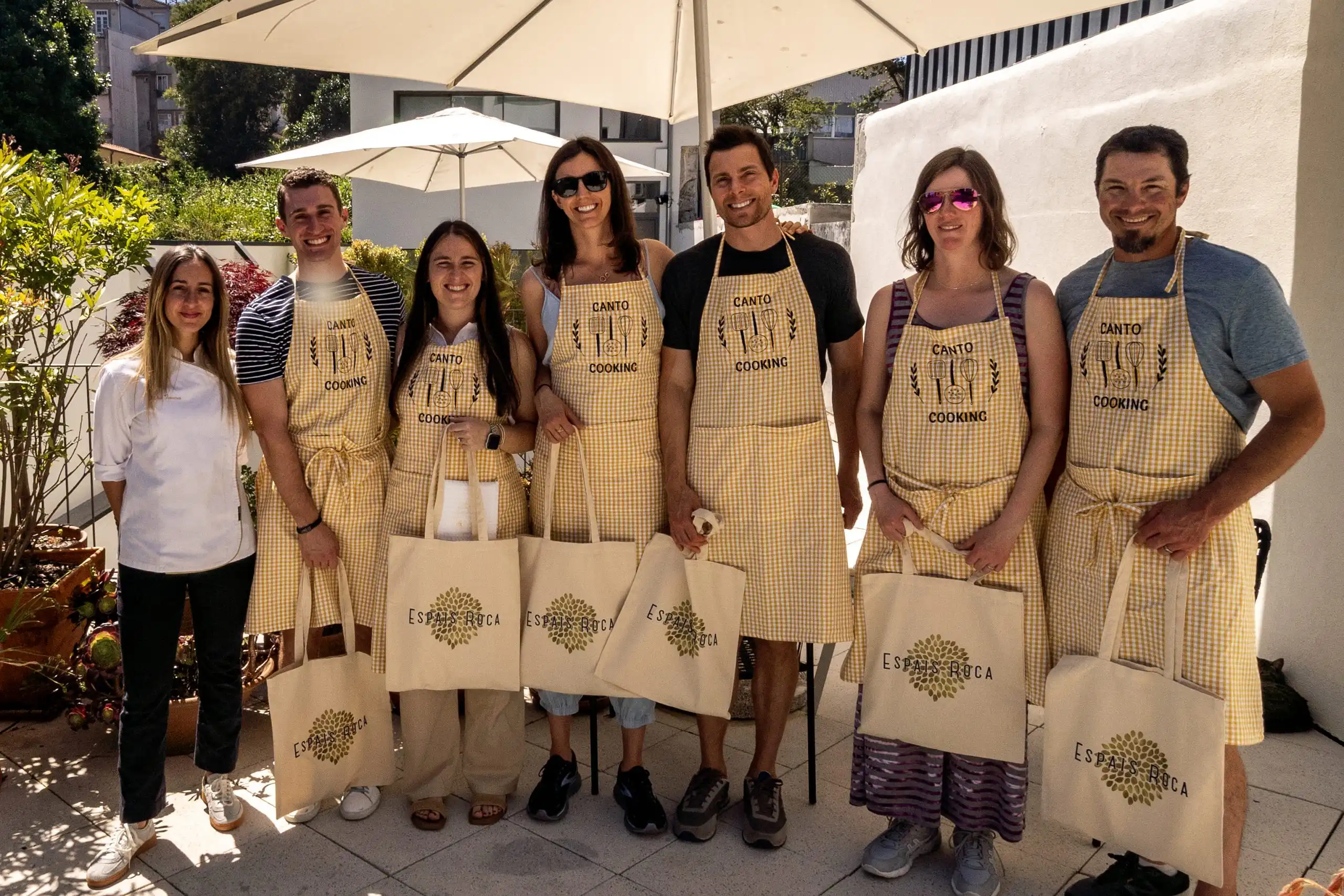
- You can cook it yourself at Canto Cooking on Rua do Almada, a 10-minute walk from Bolhão Market.
Ask anyone in Porto what Portugal actually eats and the answer arrives before you finish the question. Cod. Salted, dried, stacked in stiff pale boards behind market counters, and then soaked back to life over two patient days. The Portuguese call it fiel amigo, the faithful friend, and they mean it: this is the fish that fed the country through winters, through fasting days, through centuries when fresh fish spoiled long before it reached the interior. If you are working your way through the traditional foods of Porto, bacalhau is not one stop among many. It is the spine that the rest of the menu hangs from.
Of the many hundreds of ways Portugal cooks it, one belongs to this city outright. Bacalhau à Gomes de Sá was born here in the 1890s, a few streets from the river, in a warehouse district where cod arrived by the ton. It is generous, slow, deeply savoury, and built from ingredients you can buy in twenty minutes at Mercado do Bolhão. We teach it in our kitchen because it explains Porto better than almost anything else on a plate.
Below is the story, the technique that most home cooks get wrong, the recipe as it is made here, and the wider family of bacalhau dishes worth knowing before you sit down in a Porto tasca.
Want to cook it rather than read about it?
Our chef-led market tour and tapas class runs four hours from Bolhão, hands-on from the first ingredient.
What Is Bacalhau? Portugal’s Salt Cod Explained
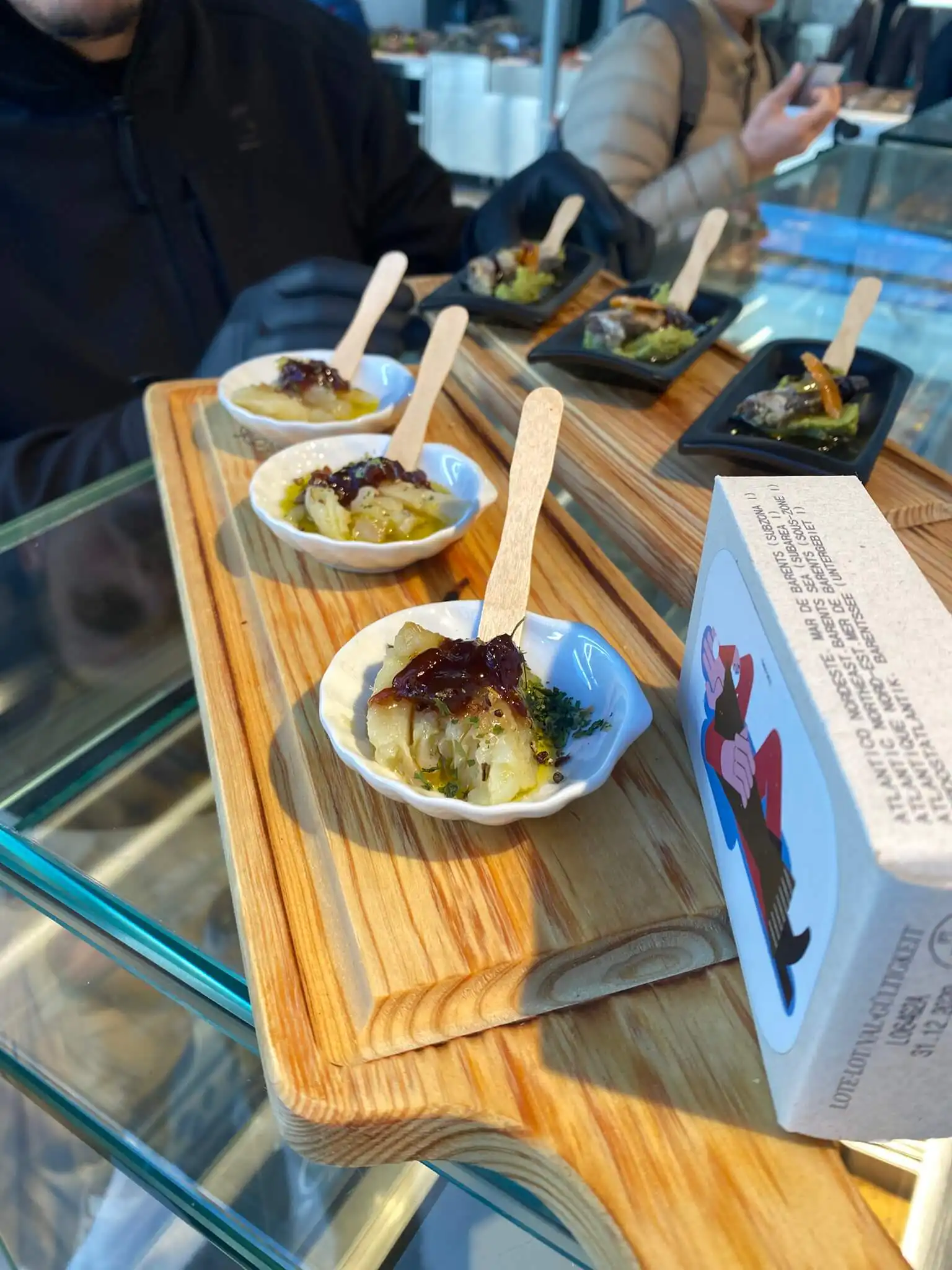
Bacalhau is cod that has been salted and dried, a preservation method the Portuguese have relied on since the 1500s, when fleets sailed to the Grand Banks off Newfoundland and needed a way to bring the catch home across an ocean. Salt drew the water out, the sun and wind finished the job, and the result kept for months without refrigeration. That single technique shaped Portuguese cooking more than any spice or trade route.
What surprises most visitors is that bacalhau tastes nothing like fresh cod. The curing firms the flesh and concentrates it, giving a texture closer to poached chicken than to flaky white fish, with a savoury depth fresh cod simply does not have. This is why substituting fresh cod in a traditional recipe produces something pleasant but unrecognisable. The dish depends on what the salt did.
Portugal is fond of saying there are 1,001 ways to cook it, one for every day of the year and then some. The real number is unknowable and beside the point. What matters is that most Portuguese families have a bacalhau dish they consider theirs, argued over at Christmas, and that Porto’s contribution to that argument is the one we are about to make.
The Porto Story Behind Bacalhau à Gomes de Sá
José Luís Gomes de Sá Júnior was born in Porto in 1851, the son of a wealthy cod trader. The family business sat on Rua do Muro dos Bacalhoeiros, the street of the cod merchants, running down toward the Douro where the boats unloaded. When the family fortune collapsed, Gomes de Sá took work at a restaurant called Lisbonense, and it was there that he built a dish from the ingredient he had grown up surrounded by.
He sold the recipe to a friend, and the note he wrote at the bottom of it has followed the dish ever since: “João, if you change this, it won’t taste the same.” Porto cooks have been ignoring that instruction affectionately for over a century, but the core has held. Soaked cod, potatoes, a great deal of onion, more olive oil than feels reasonable, and hard-boiled egg and black olives on top.
It is a working city’s dish. Nothing in it is expensive, nothing in it is delicate, and it improves the longer it sits. That combination is very Porto, and it is the same instinct behind cozido à portuguesa and behind the city’s other great inelegant masterpiece, the francesinha.
How to Desalt Bacalhau Properly
This is the step that decides whether the finished dish is wonderful or inedible, and it is where nearly every first attempt goes wrong. Salt cod arrives stiff, chalky and aggressively salted. It has to be rehydrated slowly in cold water, and slowly is the operative word.
- Rinse the surface salt off under a cold tap before you start.
- Submerge the cod in a deep bowl of cold water, skin side up so the salt falls away rather than settling back into the flesh.
- Refrigerate for 24 to 48 hours, changing the water every 6 to 8 hours. Four to six changes is normal.
- Thick loin pieces need the full 48 hours. Thin tail pieces are usually ready in 24.
- Taste a small flake before you cook. It should be pleasantly seasoned, not salty. If it stings, give it another water change.
Warm water is the common shortcut and it ruins the texture, turning the flesh cottony while barely touching the salt. Cold water and patience is the whole technique. Portuguese cooks start soaking on a Thursday for a Saturday lunch without thinking about it.
Bacalhau à Gomes de Sá Recipe
Serves 4. Allow two days for soaking before you start.
Ingredients
- 600g salt cod, soaked and desalted as above
- 500ml whole milk, for steeping
- 800g waxy potatoes
- 3 large onions, sliced into thin rings
- 4 garlic cloves, sliced
- 150ml good Portuguese olive oil, plus more for finishing
- 3 eggs, hard-boiled
- A generous handful of black olives
- Flat-leaf parsley, chopped
- Black pepper
Method
- Warm the milk until steaming but not boiling, take it off the heat, submerge the drained cod and leave it for 2 to 3 hours. This softens the flesh and rounds off any remaining salt. Keep the milk.
- Boil the potatoes in their skins until just tender, then peel and cut into thick slices about 1cm. Waxy varieties hold their shape; floury ones collapse into the oil.
- Cook the onions and garlic gently in the olive oil over low heat for 20 to 25 minutes, until soft and sweet and barely coloured. Rushing this is the second most common mistake after rushing the soak.
- Flake the cod into large pieces with your fingers, removing skin and bones as you go. Large flakes, not shreds. The dish wants texture.
- Fold the cod, potatoes and onions together in a baking dish, loosening with a few spoonfuls of the reserved milk. Season with black pepper. Salt is almost never needed.
- Bake at 180°C for 25 to 30 minutes, until the top is catching gold at the edges.
- Finish with quartered hard-boiled eggs, black olives, chopped parsley and a last pour of olive oil over the whole dish.
Serve it warm rather than hot, with a green salad and a glass of Vinho Verde or a young Douro red. Leftovers eaten cold the next day are, quietly, better.
Cook it with us in Porto
Our chefs walk you through Bolhão for the ingredients, then hand you a knife. Small groups, demo-and-do, a glass of Douro wine with lunch at the end.
Where to Buy Salt Cod in Porto
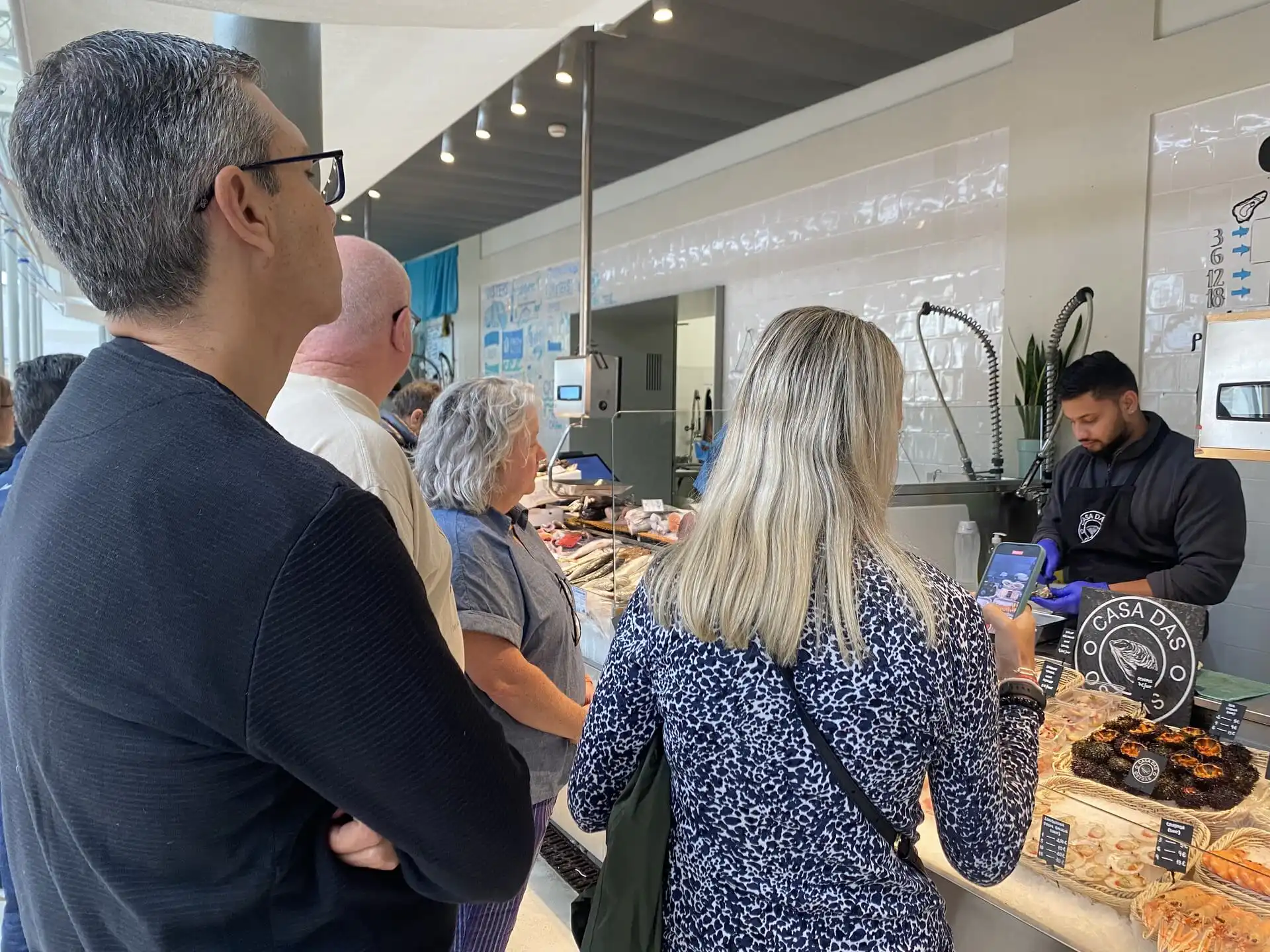
Bolhão is the obvious answer and the right one. The fish counters sell cod in graded cuts, and the vocabulary is worth knowing before you point. Lombo is the thick loin, the premium cut, best for this dish and for anything roasted whole. Posta is a thick cross-cut steak. Migas or lascas are the smaller flakes and offcuts, cheaper and completely fine for fritters or anything where the cod gets broken up anyway.
Ask for cod that has been cured properly rather than the wet-salted supermarket version in vacuum packs, which has usually been partly rehydrated already and needs far less soaking. Tell the seller what you are making. In Porto that question gets you advice whether you wanted it or not, which is one of the pleasures of shopping here.
Outside the market, the smaller mercearias around Rua de Santa Catarina and Cedofeita keep good stock, and several still cut to order from a whole dried fish, which is worth seeing once even if you buy nothing.
Five More Bacalhau Dishes Worth Knowing
Gomes de Sá is Porto’s, but a menu here will offer several others, and knowing what you are ordering makes a real difference.
Bacalhau à Brás
Shredded cod folded through matchstick potatoes and softly scrambled egg, scattered with olives and parsley. Lisbon in origin and the most ordered bacalhau dish in the country. Loose, rich and eaten quickly.
Bacalhau com Natas
Cod baked with potato under cream and a browned top. The comfort end of the range, and the version most likely to convert someone who thinks they dislike salt cod.
Bacalhau à Lagareiro
A whole loin roasted with smashed batatas a murro, punched potatoes, under a great deal of olive oil and garlic. Named for the olive press, and the best showcase for a good Portuguese oil.
Bacalhau com Broa
Cod under a crust of crumbled broa, the dense northern cornbread, baked until the top is crisp. A northern dish, very much at home in Porto.
Pastéis de Bacalhau
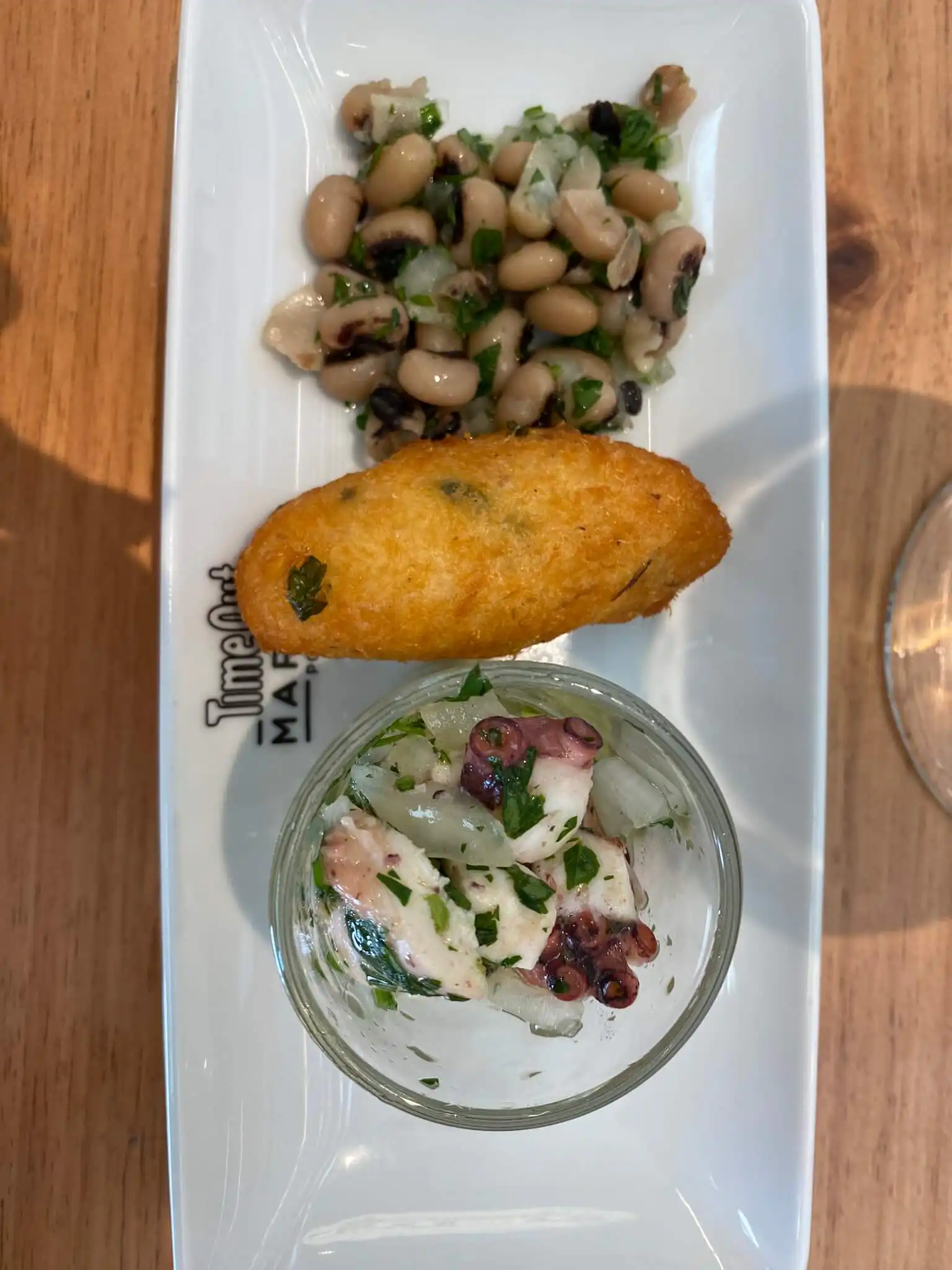
Also called bolinhos de bacalhau in the north. Cod, potato and parsley shaped between two spoons and fried. You will find them in every café window, and they are the first thing we teach anyone nervous about handling cod. They also sit comfortably alongside the other small plates in our Portuguese tapas recipes.
What to Drink With Bacalhau
Salt cod is a firmer, more savoury fish than its pale colour suggests, and the olive oil in a dish like Gomes de Sá gives it real weight. That opens up more options than white fish usually allows.
Vinho Verde is the regional reflex and it works, particularly a fuller Alvarinho rather than the lightly spritzy supermarket style. The acidity cuts the oil and the slight salinity meets the cod halfway. A white Douro, with more body and stone-fruit weight, handles the baked versions better still.
Red is not the mistake visitors assume. Portuguese cooks drink young, bright Douro reds with bacalhau without a second thought, and the tannins sit comfortably against the onion and potato. Avoid anything heavily oaked, which flattens the fish.
If you want to understand why these pairings work before you cook, our Porto wine tasting in the Orangerie runs through five Douro wines and a Port with a cheese and cured ham plate, which is a useful hour and a half of groundwork for anyone planning to cook Portuguese food at home.

“As a solo traveler, I ended up being the only student that signed up for the class and it was the best! Rita was my guide and she was very nice, knowledgeable and just a really sweet person to be around. We went through the market, which was renovated in recent years, and I was shown all sorts of shops where we talked about authentic Portuguese ingredients, their love for salt cod, and tastes different types of olive oil. Afterward, we went back to the hotel they’re based out of and we cooked all sorts of tapas – and Rita even gave me some of her grandma’s cooking tips. It was so fun. I highly recommend booking this (solo or in a group)!”
— Wesly Simonson, via
Cooking Bacalhau in Porto
Reading a bacalhau recipe and cooking one are different experiences, mostly because the judgement calls are tactile. How large to flake. When the onions are done. How much oil is actually enough, which is always more than a written recipe dares to say.
That is the part we like teaching. Our classes run demo-and-do, so you watch a step and then do it yourself, in a small group, with a chef close enough to correct your hands. Guests leave with the recipes and, more usefully, with the feel of them. If you are weighing up the options, we have written up the cooking classes available in Porto including ours.
Frequently Asked Questions
What Is Bacalhau?
Bacalhau is Portuguese salt cod: cod that has been salted and dried for preservation, then soaked in cold water before cooking. The curing gives it a firm texture and a savoury depth that fresh cod does not have, which is why the two are not interchangeable in traditional recipes.
How Long Do You Soak Bacalhau?
Between 24 and 48 hours in cold water in the refrigerator, changing the water every 6 to 8 hours. Thick loin cuts need the full 48; thin tail pieces are usually ready in 24. Taste a flake before cooking: it should be seasoned, not salty.
Who Invented Bacalhau à Gomes de Sá?
José Luís Gomes de Sá Júnior, born in Porto in 1851 and the son of a cod merchant. He created the dish while working at Restaurante Lisbonense in Porto in the 1890s, and sold the recipe with the note “João, if you change this, it won’t taste the same.”
What Is the Difference Between Bacalhau à Gomes de Sá and Bacalhau à Brás?
Gomes de Sá uses large flakes of cod with sliced boiled potatoes, baked in the oven and topped with egg and olives. Bacalhau à Brás uses shredded cod with fine matchstick potatoes bound in scrambled egg, cooked in a pan and served loose. Gomes de Sá is from Porto; à Brás is from Lisbon.
Can I Use Fresh Cod Instead of Salt Cod?
You can, and the result will be a decent potato and fish bake, but it will not taste like bacalhau à Gomes de Sá. The salting and drying changes the texture and concentrates the flavour, and the dish is built around that. If you cannot find salt cod, the dish is worth waiting for.
Where Can I Eat Bacalhau à Gomes de Sá in Porto?
Most traditional tascas and family restaurants in the centre serve it, particularly around Bolhão, Cedofeita and the Ribeira. It often appears as a daily special rather than a fixed menu item, so it is worth asking. Our guide to restaurants in Porto covers where locals eat.
Why Is Salt Cod Called Fiel Amigo?
Fiel amigo means faithful friend. Salt cod kept for months without refrigeration, travelled inland, and was affordable and permitted on fasting days, so it fed Portuguese families reliably for centuries when little else could.
Taste, Discover, Delight
Learn Porto’s cod dishes in a Porto kitchen
Market tour, hands-on class, lunch with Douro wine, and the recipes to take home. Small groups at Canto de Luz on Rua do Almada.
Book a cooking class