
The Festa da Senhora da Vandoma is one of Porto’s most cherished annual celebrations, honoring Nossa Senhora da Vandoma, the city’s patron saint. In 2026, the festival will be celebrated on Sunday, October 11, offering both locals and visitors a chance to experience Porto’s unique blend of religious devotion and lively cultural festivities. The Festa offers a unique blend of the deeply devotional and seriously fun – you get the solemn church ceremonies and processions alongside all the street parties, music, great grub, and local handicrafts that make for a perfect way to get right under the skin of Porto’s rich history.
Why the Festa is Special
The Festa is all about Porto’s guardian angel Nossa Senhora da Vandoma, & its steeped in tradition, the sort of stuff that’s been going on for centuries. From the grand Masses and processions at the magnificent Porto Cathedral to the lively street parties in the surrounding neighborhoods, this celebration really does show you the heart of the city.
Experiencing the Festival
Visitors can enjoy both the spiritual and festive sides of the event:
- You can attend the important church services and processions that really get to the heart of the city.
- Then there are the street fairs and markets that pop up all around the city offering the chance to taste the local specialities, get some of that famous Porto handicraft and get in on the music.
- And if that’s not enough, you get to try some of the local treats – the pastries, snacks and drinks that Porto does so well.
- Finally, you can just wander the historic neighborhoods & take in the sights and sounds of a city thats deep in festival mode.
For travelers looking to experience Porto’s rich festival culture further, the São João Festival is another vibrant local celebration. Learn everything you need to know about it in this guide: Porto São João Festival Guide.
The Story Behind Porto’s Festa da Senhora da Vandoma
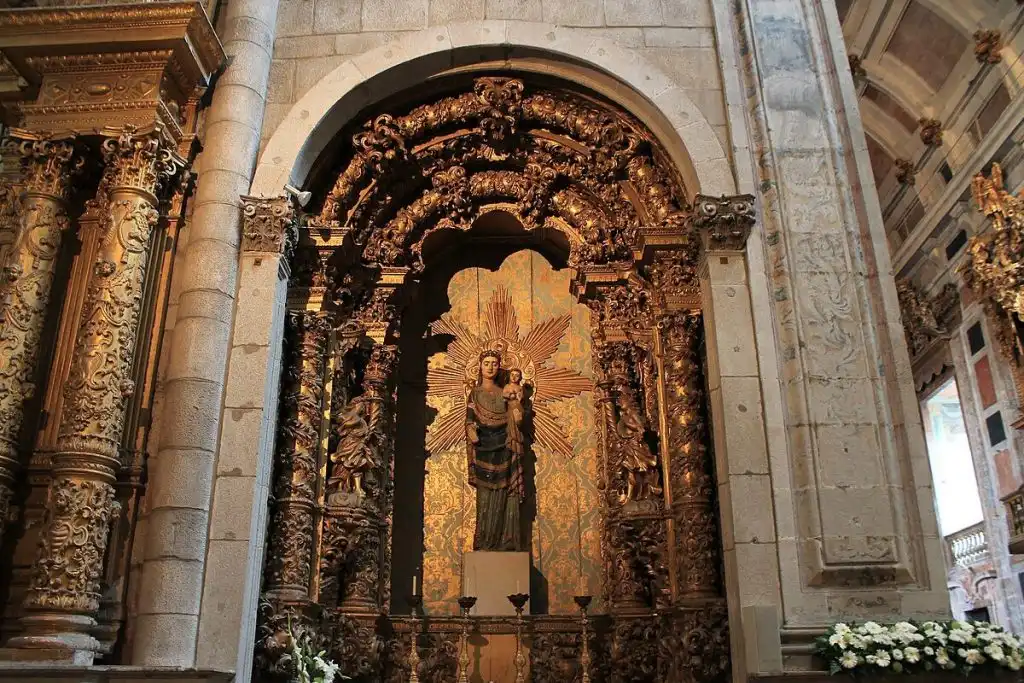
The devotion to Nossa Senhora da Vandoma has been around for over a thousand years, dating all the way back to the Christian Reconquista of the Iberian Peninsula in the late 10th century. They say that back in around 990, a certain nobleman named Munio Viegas led a group of brave Gascon knights on to reclaim Porto from the Moors – and as part of that adventure, a bishop from the French town of Vendôme popped up, bringing with him a beautiful statue of the Virgin Mary. Once they’d won the battle all the statue was plonked above the Porta de Vandoma gate as a big thank you and a symbol of how much they were counting on her divine protection – & that’s how Porto’s lifelong love affair with Nossa Senhora da Vandoma all got started – a love that’s still very much alive and kicking today & even reflected on the city’s coat of arms.
How the Festival Developed Over Time
The Festa da Senhora da Vandoma has just grown and evolved over the centuries, combining the religious bits with some amazing cultural celebrations. Back in medieval times, processions and prayers were held, especially when the city was going through a rough patch, like when there was a plague or an invasion. They’d carry the Virgin’s image through the streets, asking for her protection for the people – and all this built up into the incredible festival we see today.
Key Moments in History
Several events strengthened Porto’s devotion to Nossa Senhora da Vandoma:
- 14th century: A beautifully crafted polychrome limestone statue of the Virgin was placed in Porto Cathedral, solidifying her role as the city’s patroness.
- 1954: During the Jubilee Year of Our Lady of the Conception, Bishop António Ferreira Gomes officially declared Nossa Senhora da Vandoma the principal patron saint of Porto.
These milestones helped shape the festival into both a spiritual and civic tradition.
The Festival Across the Ages
- Medieval Era: A solemn religious event with masses, prayers, and processions seeking divine favor.
- Renaissance: Porto’s growing culture added public celebrations, turning the festival into a social gathering while keeping its religious essence.
- Modern Day: Today, the festival blends sacred ceremonies with lively cultural events, drawing locals and tourists to celebrate Porto’s heritage, faith, and community spirit.
From Religious Rites to Cultural Festivities
While the Mass at Porto Cathedral and the revered procession remain central, modern celebrations include:
- Traditional music and folk dances
- Artisan markets with local crafts
- Delicious regional cuisine
These activities highlight Porto’s rich cultural heritage while honoring the city’s patroness.
Experience Porto’s Culture: Traditions and Festivities of the Festa da Senhora da Vandoma
The Festa da Senhora da Vandoma is far more than a religious observance—it is a vibrant showcase of Porto’s rich cultural heritage and community spirit. During the festival, the city transforms into a lively celebration where locals and visitors come together to enjoy music, dance, food, and artisan crafts.
Every corner of Porto is animated with street performances, traditional Fado concerts, and colorful folk dances, creating a sensory feast of sound, movement, and joy. Streets and squares become gathering spots for families and friends, where communal meals are shared, children play traditional games, and neighbors reconnect.
1. Traditional Music, Dance, and Folklore Performances
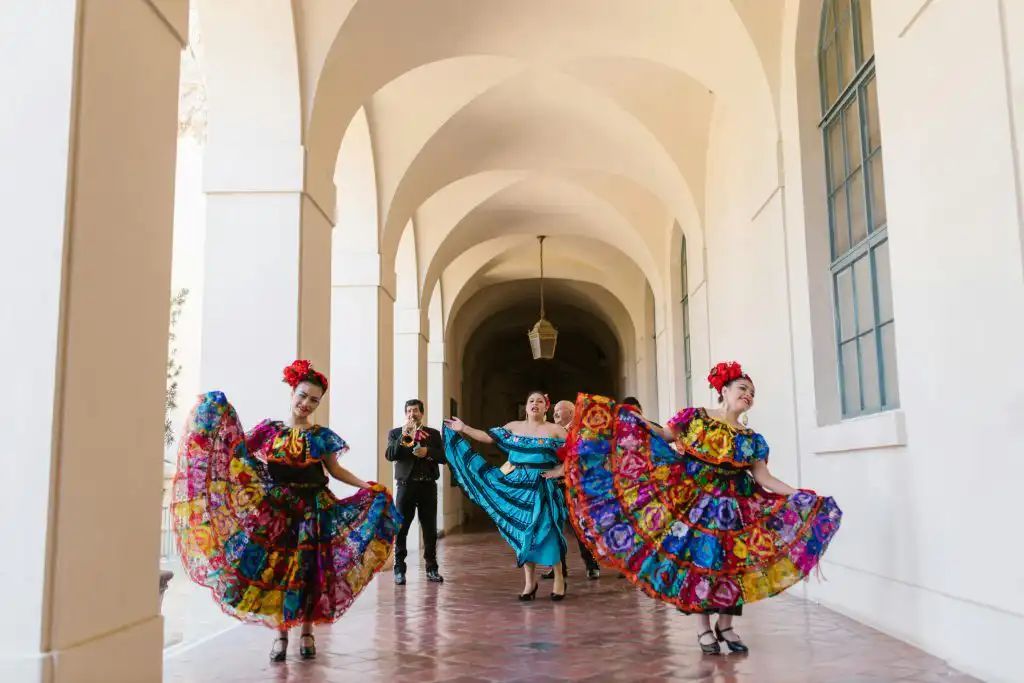
Music and dance are the lifeblood of the festival. Traditional folk dances such as the vira and chula are performed on streets and public squares, accompanied by instruments like tambourines, accordions, and bagpipes. These dances are more than entertainment—they are a living memory of Porto’s cultural past.
- The Vira is a lively circular dance that invites participation, often performed by groups of men and women in traditional dress.
- The Chula features fast-paced steps and footwork that demonstrate skill and agility, often to the beat of local percussion.
- Fado performances and small music ensembles also appear, adding a soulful dimension to the festival.
Through these performances, Porto’s musical heritage is celebrated while encouraging community engagement, making the festival an interactive cultural experience.
2. Porto’s Festival Cuisine
Food is central to the Festa da Senhora da Vandoma, showcasing Porto’s culinary traditions and regional flavors. Visitors can sample iconic dishes that are part of the city’s identity:
- Francesinha sandwich – This rich, layered sandwich combines multiple meats, cheese, and a spicy tomato-and-beer sauce. Often served with crispy fries, it is a festival favorite. Learn to make this classic at home: Francesinha Sandwich Recipe.
- Bacalhau à Gomes de Sá – A traditional codfish casserole made with potatoes, onions, black olives, and drizzled with olive oil. It represents Porto’s love for bacalhau, a staple in Portuguese cuisine.
- Ginjinha – A sweet cherry liqueur, perfect for tasting as you stroll the festival, offering a small but iconic sip of Porto tradition.
- Douro wines – Local reds and whites are available, complementing the rich flavors of festival foods and enhancing the social dining experience.
Sharing these dishes becomes a communal ritual, connecting people across generations while celebrating Porto’s gastronomic heritage.
3. Artisans and Local Crafts
The festival also highlights Porto’s thriving artisan culture. Markets and street stalls showcase handcrafted items reflecting centuries of Portuguese artistry:
- Textiles and embroidery – Colorful, handwoven fabrics and embroidered clothing often depict regional motifs and historical symbols.
- Pottery – Locally crafted ceramics with intricate patterns showcase Porto’s traditional craftsmanship.
- Handmade jewelry – Pieces created with local materials provide visitors with unique keepsakes.
Artisans are often on hand to explain their techniques, share stories about their craft, and demonstrate live weaving, pottery shaping, or jewelry-making. This offers an immersive experience that connects visitors to Porto’s creative traditions.
4. Family and Community Gatherings
At its heart, the festival celebrates community and family. Streets and squares become gathering points where:
- Families enjoy communal meals and share festival treats.
- Children participate in traditional games and activities.
- Public concerts, open-air performances, and interactive workshops encourage participation and foster a sense of belonging.
These communal experiences strengthen the city’s social fabric, reminding everyone that the festival is as much about togetherness as it is about religious observance.
5. Traditional Dress and Participation
Many locals dress in traditional Portuguese attire during the festival, adding authenticity and color to the celebrations:
- Women often wear embroidered blouses and full skirts with vibrant patterns.
- Men may don sashes, waistcoats, and hats typical of historic Porto dress.
These garments honor Porto’s cultural roots and provide a visual connection to the city’s history, allowing festival-goers to feel immersed in a centuries-old tradition.
6. Festival Symbols and Their Meanings
Symbols connected to Nossa Senhora da Vandoma are prominently featured throughout the festival, reminding attendees of the city’s spiritual heritage:
- Statues and images of the Virgin Mary, sometimes crowned and holding the infant Jesus, are paraded in solemn processions.
- The city’s coat of arms, which references the patron saint, is displayed across banners and decorations.
- Religious flags and banners accompany the processions, symbolizing faith, protection, and the enduring devotion of Porto’s citizens.
These symbols reinforce the spiritual significance of the festival while linking modern celebrations to historic traditions.
7. Explore Porto’s Festivals and Food
For those wanting to experience more of Porto’s vibrant festival scene, the city offers a variety of cultural events throughout the year. From summer celebrations to seasonal food festivals, there is something for every traveler. Explore more here: Top Porto Summer Festivals, Best Food, Drinks, and Celebrations.
Porto Festival Highlights: Processions, Venues, and Culinary Experiences
The Festa da Senhora da Vandoma comes alive across Porto’s historic streets and iconic landmarks, blending centuries-old religious traditions with lively cultural celebrations. This festival offers visitors a full experience of Porto’s heritage, community, and gastronomy.
Festival Venues and Procession Routes
- Porto Cathedral (Sé do Porto): The spiritual heart of the festival, where solemn masses and key religious ceremonies take place. Its centuries-old architecture adds a sacred atmosphere that enhances the devotional experience.
- Historic Procession Routes: After the Cathedral ceremonies, the procession winds through narrow streets of the old city, including landmarks like the Porta de Vandoma and Praça da Ribeira. Walking the route lets visitors experience Porto’s history while participating in the celebrations. Evening processions are especially magical as the streets glow with lights.
How to Attend
- Most religious events and public processions are free and open to all.
- Ticketed concerts or special events can usually be purchased:
- Online: Via official festival or cultural portals.
- Local Tourist Offices: Central locations such as Avenida dos Aliados.
- On-site: Tickets may be available depending on availability.
It’s best to check official festival announcements for schedule updates.
Culinary Experiences Around the Festival
Porto is a food lover’s paradise, and the festival is the perfect time to explore its culinary traditions. Traditional dishes and drinks are central to the celebrations, from street vendors to local taverns. Highlights include:
- Francesinha sandwich – A hearty layered sandwich covered in a rich beer and tomato sauce.
- Bacalhau à Gomes de Sá – Classic cod casserole with potatoes, onions, and olives.
- Ginja liqueur – Portugal’s iconic sweet and slightly tart cherry liqueur, perfect for tasting during the festival.
Porto’s combination of history, culture, and gastronomy makes the Festa da Senhora da Vandoma a festival not to miss, offering a perfect blend of spiritual reverence and lively community celebration.
Explore Porto Through Food: Gastronomic Tour Highlights
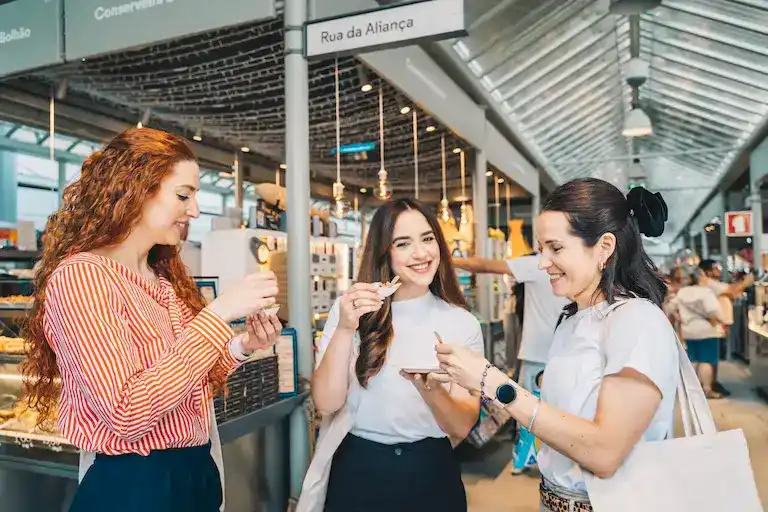
For food lovers wanting a taste of Porto’s culinary culture, the Gastronomic Porto Food & Wine Tour offers a four-hour, small-group walking experience. You’ll explore local markets, historic streets, and hidden food spots while sampling traditional dishes and drinks that define the city.
Tour Highlights
- Market Visits: Discover fresh ingredients at Bolhão Market and Time Out Market Porto.
- Signature Tastings: Sample iconic Porto dishes like francesinha sandwiches, bolinho de bacalhau, bifana, and local charcuterie.
- Wine & Liqueurs: Taste Vinho Verde, Douro wines, and the famous Ginja liqueur.
- Relaxing Finish: Enjoy a pastel de nata with coffee or Port wine at a scenic garden spot.
Practical Info
- Duration: 4 hours | Group Size: Max 10
- Languages: English or Spanish | Age: 12+ (alcohol tastings 18+)
- Tips: Dress comfortably; vegetarian & gluten-free options available with notice.
This tour is perfect for anyone who wants to taste, learn, and experience Porto like a local.