



At A Glance
Pastel de nata is Portugal’s custard tart: laminated pastry filled with a lemon and cinnamon custard, baked hot enough to blister the top black.
- Created by monks at the Jerónimos Monastery in Belém, Lisbon, and sold commercially since 1837.
- Pronounced pash-TEL de NAH-ta. The plural is pastéis de nata.
- The oven needs to be as hot as it will go, 250°C or above. Domestic ovens are the main obstacle.
- Only one shop in the world may legally call them Pastéis de Belém.
- Eaten warm, dusted with cinnamon, standing at a counter with an espresso.
There is a moment, usually on the second morning in Portugal, when a visitor stops treating the pastel de nata as a thing to try once and starts treating it as breakfast. The pastry shatters, the custard is still warm, the top is scorched in patches that look like a mistake and are not. It costs about a euro and a quarter. This is the point at which most people give in and order a second, and it is the reason the tart appears in every guide to the traditional foods of Porto despite belonging, strictly, to Lisbon.
That last detail matters and gets glossed over constantly. The pastel de nata is a Lisbon creation, born in a monastery in Belém, and Porto adopted it the way the whole country did. What Porto has is very good bakeries making them fresh several times a day, which our guide to bakeries in Porto covers in detail.
What follows is the history, the recipe as it is actually made, the one technical problem home bakers cannot avoid, and how to tell a good one from a bad one before you bite.

Tasting your way through Porto?
Our market tour starts with coffee and a nata before the cooking begins.
What Is a Pastel de Nata?
A pastel de nata is a small custard tart, roughly 8cm across, built from two components that behave very differently in the oven. The shell is a laminated dough, rolled with fat and turned so it bakes into dozens of separate leaves. The filling is an egg custard set with a light flour base and flavoured with lemon peel and cinnamon.
Baked at extreme heat, the custard surface caramelises into dark blisters while the pastry stays pale gold and crisp underneath. Those scorch marks are the marker of a properly made tart. A uniformly pale yellow nata has been baked too cool, and it will taste flat and slightly eggy by comparison.
In English it is often called a Portuguese custard tart, which is accurate but undersells the pastry. The custard is the easy part. The shell is where the craft sits.
How to Pronounce Pastel de Nata
Pash-TEL de NAH-ta. The stress lands on the second syllable of pastel, and the initial “s” is a soft “sh” sound, as it is across most of Portuguese.
The plural changes the word: one pastel de nata, two pastéis de nata, pronounced pash-TAYSH. Ordering “two pastel de nata” will be understood perfectly and marks you instantly as a visitor, which nobody minds. Nata simply means cream.
In Porto you may also hear them called just natas, the way you would say “two coffees” without specifying.
Where Pastel de Nata Comes From
The tart was created by Catholic monks at the Jerónimos Monastery in Belém, on the western edge of Lisbon, at some point before the 1820s. Monasteries across Portugal used enormous quantities of egg white to starch their habits, which left them with a permanent surplus of yolks, and the country’s entire tradition of intensely eggy convent sweets grew out of that surplus.
When the liberal revolution of 1820 led to the closure of Portugal’s religious houses, the monks at Jerónimos sold their recipe to a nearby sugar refinery. In 1837 that business opened as the Fábrica de Pastéis de Belém, and it has been selling the tarts on the same street ever since. The recipe is still held privately, prepared in a locked room by a small number of people.
From there it spread across Portugal and then across the world through emigration, and it has become the country’s most recognisable food abroad. It is the sweet counterpart to the savoury classics Porto is better known for, dishes like the francesinha.
Pastel de Nata and Pastel de Belém Are Not the Same Thing
This trips up almost every visitor, and it is a legal distinction rather than a culinary one.
Pastel de Belém is a protected name belonging solely to the Fábrica in Belém. Only tarts made there, to that recipe, may use it. Everything else in Portugal, no matter how excellent, is a pastel de nata.
Whether the original tastes better is a genuinely open argument that Portuguese people enjoy having. The Belém version is usually described as having a slightly less sweet, more custardy filling and a flakier shell. Plenty of Lisboetas will tell you their neighbourhood pastelaria does it better and they queue for nothing. In Porto the question is academic: you are eating a pastel de nata, and the good ones here are very good.
Pastel de Nata Recipe
Makes 12. Around 90 minutes, plus chilling. Read the oven note below before starting.
Ingredients
- 1 sheet all-butter puff pastry, about 320g, or homemade laminated dough
- 250ml whole milk
- 200ml double cream
- 30g plain flour
- 200g caster sugar
- 90ml water
- 1 cinnamon stick
- 1 strip of lemon peel, no white pith
- 6 egg yolks
- Ground cinnamon and icing sugar, to finish
Method
- Unroll the pastry, then roll it up tightly from the short edge into a firm log. Wrap and chill for 30 minutes. This is what creates the spiral of leaves in the finished shell.
- Cut the log into 12 discs about 2cm thick. Stand each disc cut side up in a muffin tin and press it out with a wet thumb, working from the centre up the sides until the pastry is thin and reaches just above the rim.
- Whisk the flour into 100ml of the milk until completely smooth. Heat the remaining milk with the cream until steaming, then whisk into the flour mixture. Return to the pan and cook for 2 minutes until thickened.
- In a separate pan, dissolve the sugar in the water with the cinnamon stick and lemon peel. Boil without stirring to 100°C, then remove the cinnamon and peel.
- Pour the hot syrup into the milk mixture in a thin stream, whisking constantly. Let it cool to warm, then whisk in the egg yolks. Strain through a sieve. The custard should be pourable, closer to single cream than to a set custard.
- Fill each shell about four fifths full. Overfilling causes spillage and welds the tarts into the tin.
- Bake in the hottest oven you have, 250°C or above, for 12 to 15 minutes, until the pastry is crisp and the tops have dark blistered patches.
- Cool in the tin for 5 minutes, then lift out. Dust with cinnamon and icing sugar and eat warm.
They are at their best within about two hours of baking and do not survive refrigeration well. The pastry softens overnight and no amount of reheating properly restores it.
Cook with us in Porto
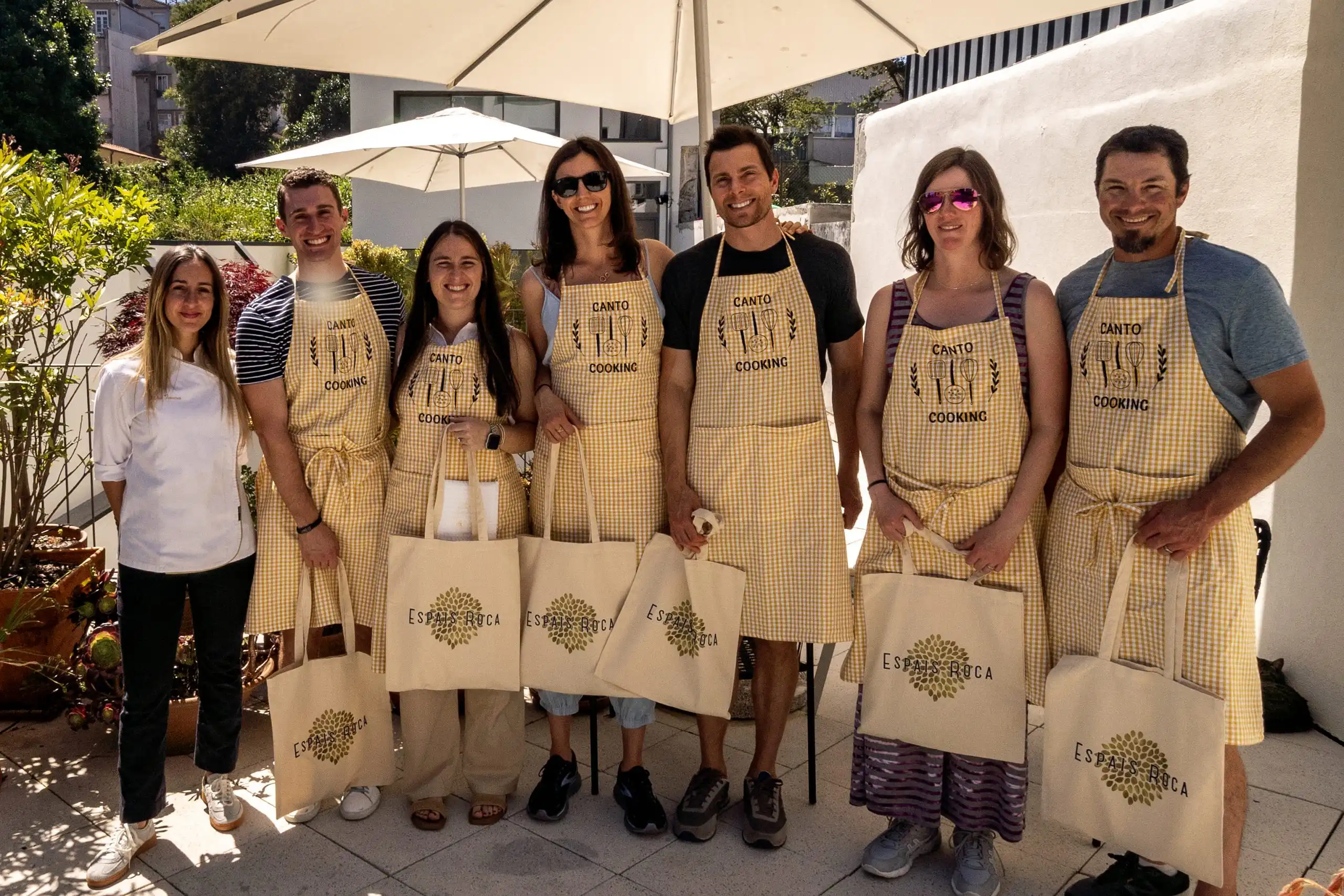
Our chefs walk you through Bolhão for the ingredients, then hand you a knife. Small groups, demo-and-do, lunch and a glass of Douro wine at the end.
The Oven Problem
Here is the honest obstacle, and it explains why home-baked natas rarely match a bakery’s.
Commercial pastelarias bake these at 300°C to 350°C. At that temperature the custard surface caramelises in under ten minutes, before the pastry has time to dry out or the filling to curdle. Most domestic ovens top out at 250°C, and some at 220°C. At the lower end the tart bakes through before the top ever blisters, which produces something pleasant but pale and slightly rubbery.
- Preheat for a full 30 minutes at maximum, longer than feels necessary.
- Put a heavy baking tray or a pizza stone on the top shelf while it heats, and bake the tin directly on it.
- Bake on the highest shelf, close to the top element.
- Use the grill for the final 60 to 90 seconds if the tops are still pale, watching constantly.
- Bake one test tart first. Ovens vary more than recipes admit.
None of this fully closes the gap, and it is worth knowing that going in rather than concluding you have done something wrong.
Where to Eat Pastel de Nata in Porto
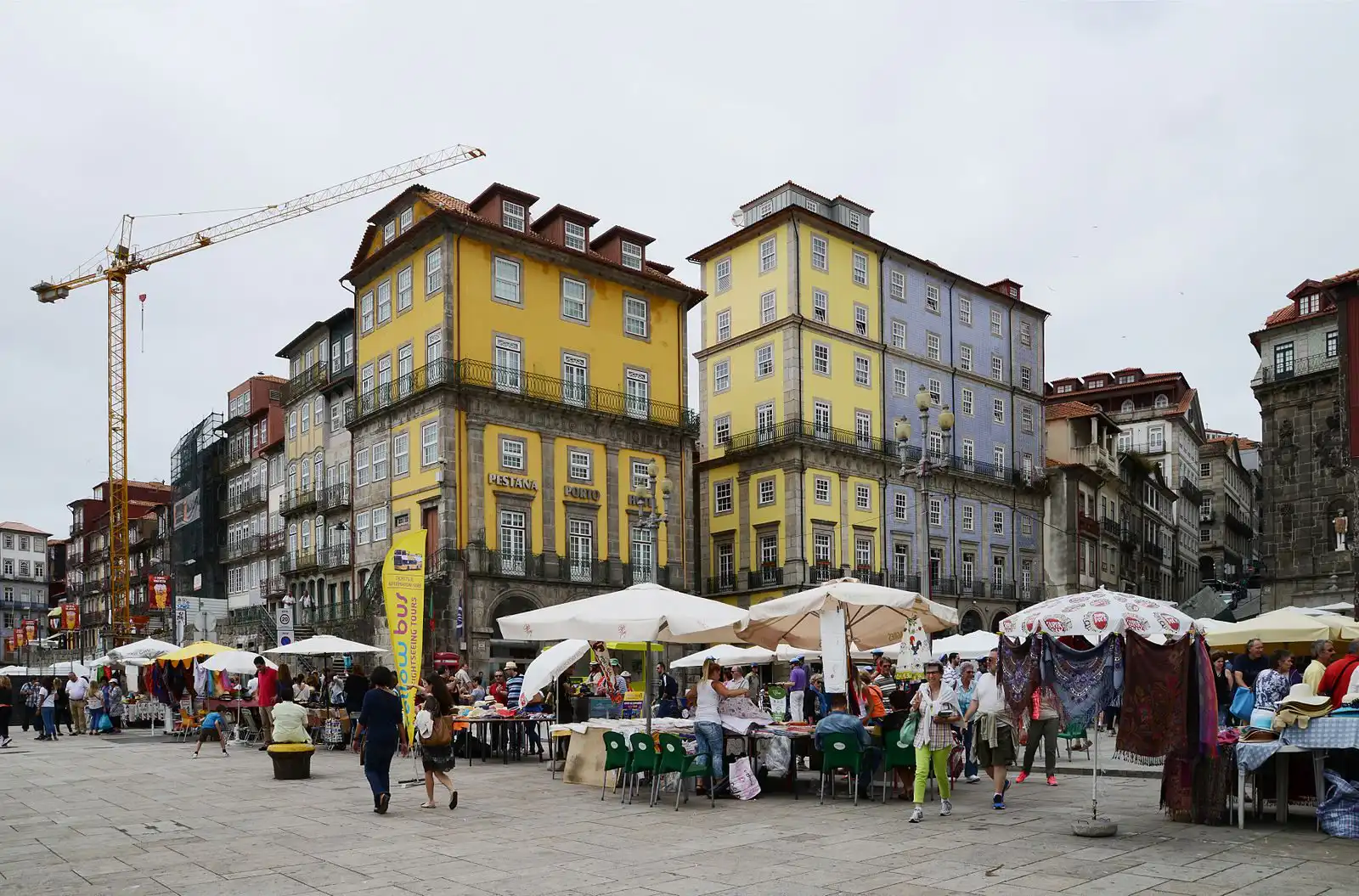
The single rule worth following: buy where they are baking in batches through the day rather than where a tray has been sitting since breakfast. Ask when the next batch is due. In a busy pastelaria the answer is often ten minutes, and it is worth the wait.
Signs of a good one: visible layers when you look at the shell side-on, dark blistering rather than an even yellow surface, and a base that holds its shape when you pick it up. If the counter has a warmer running, that is a good indication they expect turnover.
The area around Bolhão and along Rua de Santa Catarina has a high concentration of good pastelarias, and the market itself has counters selling them fresh. Our guide to where to eat and drink in Porto covers the wider picture.
What to Drink With Pastel de Nata
An espresso, called a bica in Lisbon and simply um café in Porto, is the everyday answer and the one you will see at every counter. The bitterness cuts the sweetness, and the whole transaction takes four minutes standing up.
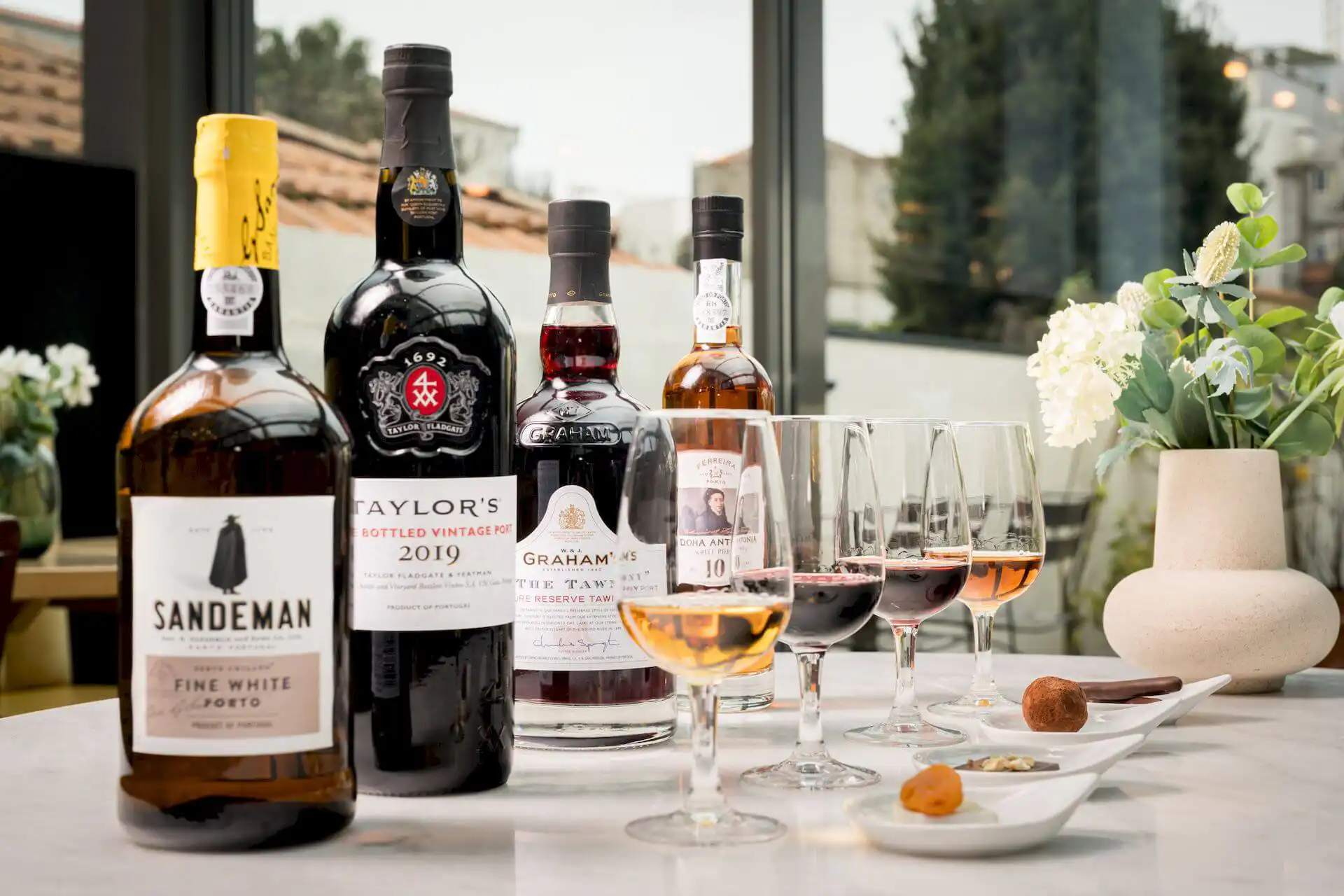
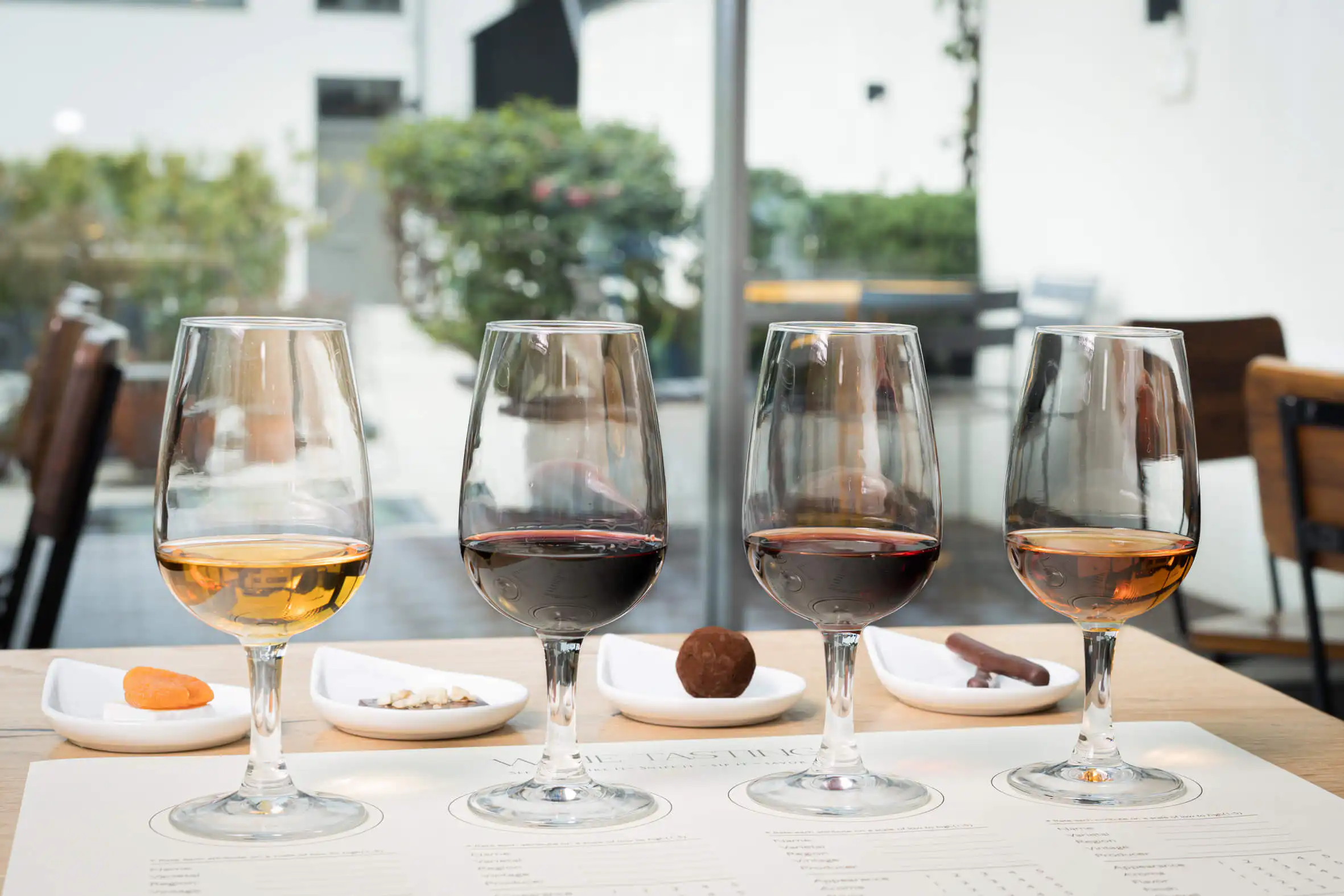
For something more deliberate, a 10-year tawny Port is the pairing to seek out. Tawny carries notes of caramel, dried apricot and toasted nuts that meet the caramelised custard almost exactly, and the acidity keeps it from cloying. It is a better match than a ruby, which is fruitier and fights the cinnamon.
Our Best of the Best Port tasting works through four premium Port houses with artisan chocolate pairings, which is a useful hour for understanding why tawny behaves the way it does with anything caramelised.

“Pricilla was an awesome guide and chef who led us through the stalls of the Bolhão market to sample foods and buy ingredients for our meal. We walked back to the boutique hotel that hosts the cooking class and enjoyed some coffee and pasteis de nata while our host set up the kitchen. A very enjoyable way to sample Portuguese foods and create memories! Highly recommend!”
— Kimmie Russell, via
Learning Portuguese Baking in Porto
Pastéis de nata are a bakery product more than a home-kitchen one, and we are honest with guests about that. What a class can give you is the feel of the dough, the point at which the custard is correctly loose, and the confidence to judge a good one at a counter, which is the skill you will actually use on a trip.
Our classes start at Bolhão with coffee and a nata before any cooking begins, which is both a pleasant way to start and a useful reference point for everything that follows. If you are comparing options, we have written up the cooking classes in Porto, and the savoury dishes we teach are covered in our Portuguese tapas recipes.
Frequently Asked Questions
What Is a Pastel de Nata?
A Portuguese custard tart made from laminated pastry filled with an egg custard flavoured with lemon peel and cinnamon, baked at very high heat so the top blisters and caramelises. It is around 8cm across and eaten warm.
How Do You Pronounce Pastel de Nata?
Pash-TEL de NAH-ta, with the stress on the second syllable of pastel and a soft “sh” sound for the s. The plural is pastéis de nata, pronounced pash-TAYSH.
Which Country Is Pastel de Nata From?
Portugal. It was created by monks at the Jerónimos Monastery in Belém, Lisbon, and has been sold commercially since 1837. It is eaten across the whole country, including Porto, but its origin is Lisbon rather than the north.
What Is the Difference Between Pastel de Nata and Pastel de Belém?
The name is legally protected. Only the Fábrica de Pastéis de Belém in Lisbon may call its tarts Pastéis de Belém, made to the original monastery recipe. Every other version in Portugal, however good, is a pastel de nata.
Why Are the Tops Burnt?
They are caramelised rather than burnt. The tarts are baked at 300°C or hotter in commercial ovens, which blisters the custard surface before the pastry dries out. Dark patches are the sign of a properly baked tart; an evenly pale one has been baked too cool.
Can You Make Pastel de Nata in a Home Oven?
Yes, but the result will differ. Bakeries use 300°C to 350°C and most domestic ovens reach only 220°C to 250°C. Preheat for 30 minutes at maximum, bake on a preheated tray on the top shelf, and finish briefly under the grill if the tops stay pale.
How Long Do Pastéis de Nata Keep?
They are best within about two hours of baking. The pastry softens as the custard cools and does not recover well from refrigeration, which is why Portuguese bakeries bake in small batches through the day rather than once each morning.
Where Can I Eat Pastel de Nata in Porto?
Pastelarias across the city, with a good concentration around Bolhão and Rua de Santa Catarina, and counters inside the market itself. Buy where batches come out through the day rather than where a tray has been sitting since morning, and ask when the next batch is due.
Taste, Discover, Delight
Start your Porto morning the way locals do
Market tour, hands-on class, lunch with Douro wine, and the recipes to take home. Small groups at Canto de Luz on Rua do Almada.
Book a cooking class