

Exploring a city as rich in history and culture as Porto can be both exciting and overwhelming, especially for first-timers. Thankfully, the Porto Metro Map has a modern, efficient, and eco-friendly transportation system that makes it easy to get around Porto and the surrounding areas. This guide will give you a complete overview of the Porto Metro, its lines, stations, ticketing system, and upcoming expansions so you can travel like a local.
If you’re planning to visit the city’s top attractions, check out our list of the 10 Best Things to Do in Porto. From wine tastings in Porto’s renowned cellars to enjoying stunning views from the Dom Luís I Bridge, these activities are ideal for first-time visitors looking to experience the best of Porto.
1. Overview of the Porto Metro System
The Porto Metro Map is a prime example of a good public transportation system, combining innovation, sustainability, and convenience. Launched in 2002, this light rail network was designed to meet the growing transportation needs of Porto’s metropolitan area, linking the city centre with suburban and coastal municipalities.
Key Statistics and Features
The Porto Metro covers 70km (43 miles) of double-track lines, serving 7 municipalities: Porto, Vila Nova de Gaia, Matosinhos, Maia, Gondomar, Póvoa de Varzim, and Vila do Conde. With 85 stations, many of them near major landmarks, business hubs, and residential areas, the system gives you easy access to the main spots in the region.
What makes the Porto Metro unique is its dual-operation system: underground tracks in the city centre to reduce congestion and preserve the urban environment, above-ground tracks in the suburbs to offer scenic views and quick access to smaller towns. This way it serves both the urban and suburban population.
Commitment to Sustainability
The Porto Metro is committed to environmental sustainability. Its modern fleet has energy-efficient Eurotram and Flexity Swift low-floor trains to minimize noise pollution and improve accessibility for passengers with mobility issues. The system also has a regenerative braking mechanism that recovers up to 30% of the energy used during operation, making it even more eco-friendly.
2. Porto Metro Lines and Stations
The Porto Metro Map has 6 lines, each with a different color and labeled from A to F. These lines connect central Porto with suburban municipalities, cultural landmarks, and coastal towns, covering the whole region.
Line A (Blue Line)
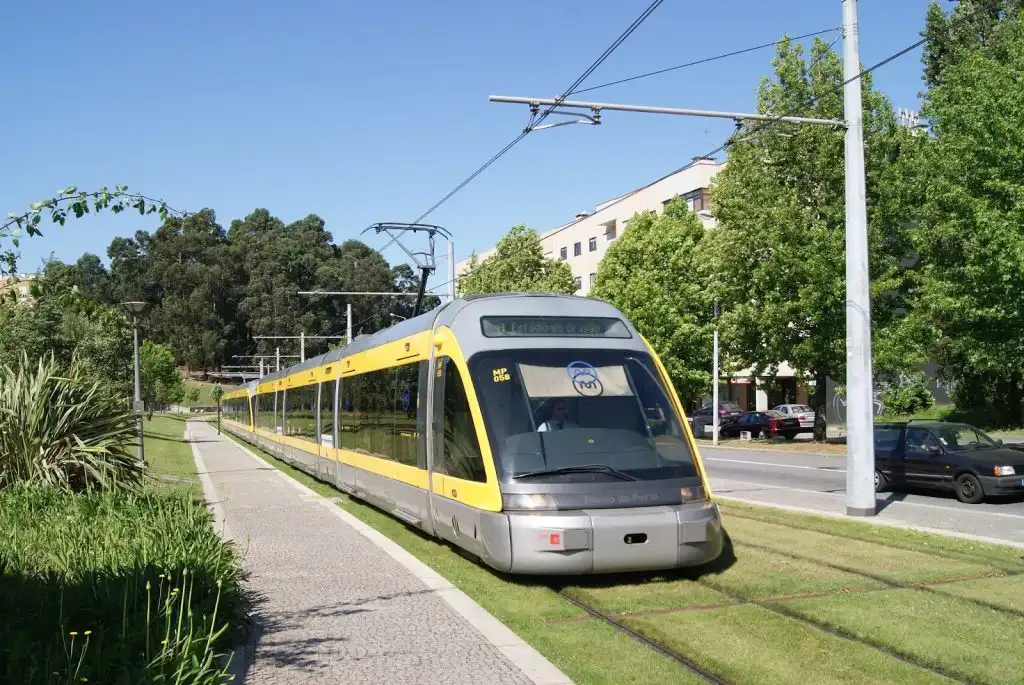
Route: Senhor de Matosinhos to Estádio do Dragão
Highlights:
- Matosinhos: The northern terminus is known for its beautiful beaches and top-tier seafood restaurants, making it a favorite weekend getaway.
- Trindade: Situated in the heart of Porto, Trindade serves as the central hub where all Metro lines converge, ensuring smooth transfers between lines.
- Estádio do Dragão: This stop is home to the iconic stadium of FC Porto, a must-see for football enthusiasts. Visitors can catch a match or explore the stadium’s museum.
The Blue Line is a vital route for commuters traveling between Porto’s lively city center and the more tranquil residential areas to the north.
Line B (Red Line)
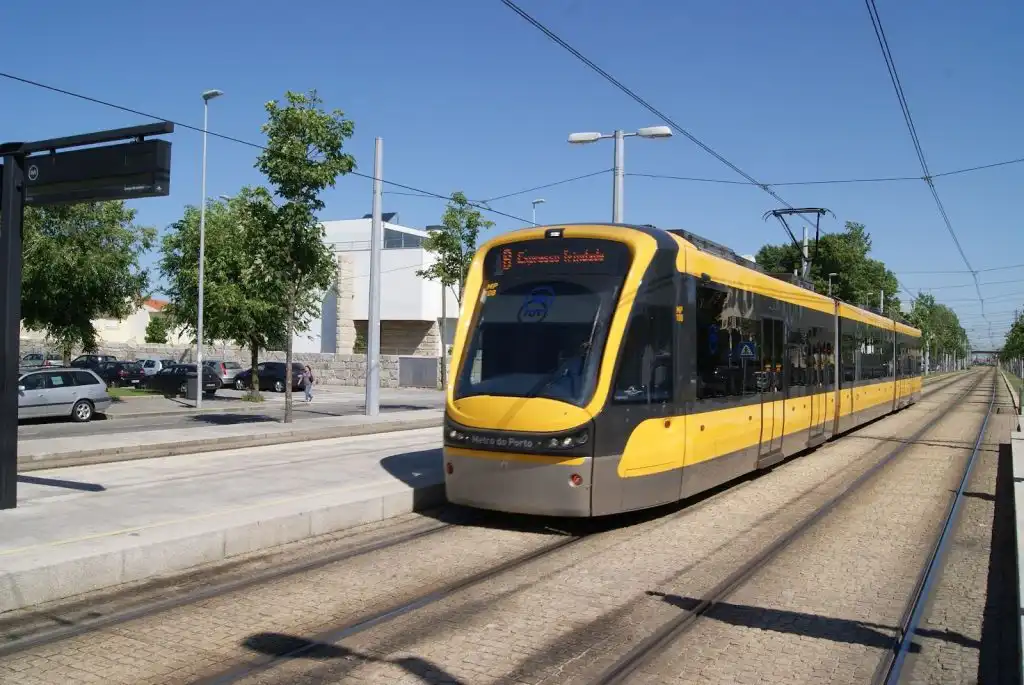
RoutRoute: Estádio do Dragão to Póvoa de Varzim
Highlights:
- Vila do Conde: A charming coastal town for history lovers and beach lovers, with medieval architecture and a scenic coastline.
- Póvoa de Varzim: Known for its casino and traditional fishing culture, this stop is perfect for a relaxing day by the beach.
The Red Line is the direct link to Porto’s coastline, popular for beachgoers and day-trippers.
Line C (Green Line)
Route: Campanhã to ISMAI
Highlights:
ISMAI: Mainly for students and educators, this area is home to several academic institutions.
Fórum Maia: A vibrant hub with cultural venues, shopping centres, and public spaces.
Line D (Yellow Line)
Route: Santo Ovídio to Hospital São João
Highlights:
- São Bento: Located near Porto’s iconic train station, this stop offers easy access to landmarks such as the Ribeira district and the Dom Luís I Bridge.
- Vila Nova de Gaia: Famous for its Port wine cellars, Gaia provides stunning views of the Douro River.
- Hospital São João: Serving one of the largest medical centers in the region, this terminal caters to patients, visitors, and healthcare professionals.
The Yellow Line is the busiest route, connecting major tourist attractions and residential areas.
Line E (Violet Line)
Route: Airport Francisco Sá Carneiro to Campanhã
Highlights:
- Airport: This stop offers easy, direct access for travelers arriving or departing, eliminating the need for complicated ground transportation.
- Campanhã: A key transport hub that connects Metro services with regional and international train routes.
This line simplifies travel for visitors arriving in or leaving Porto.
Line F (Orange Line)
Route: Senhora da Hora to Fânzeres
Highlights:
- Contumil: A growing residential and commercial area that connects eastern neighborhoods with the main Metro network.
- Fânzeres: A peaceful suburban area undergoing rapid development.
The Orange Line primarily serves suburban commuters, linking smaller neighborhoods with the central Metro network.
Line G (Pink Line)
Route: Casa da Música to São Bento via Cordoaria
Highlights:
- Casa da Música: Porto’s main concert hall and a cultural landmark, offering a variety of performances from classical to contemporary music.
- Cordoaria: Located in one of Porto’s historic and artistic areas, this stop offers access to beautiful gardens and nearby cultural attractions, including museums and galleries.
- São Bento: Close to Porto’s famous train station, this stop provides easy access to the historic Ribeira district, a UNESCO World Heritage site known for its narrow streets and colorful buildings.
The Pink Line, a new addition to Porto’s Metro system, will enhance connectivity across the city. This fully underground line, still under construction, will provide a quick and scenic route through cultural and historical hotspots. Expected to open in 2025, the Pink Line will streamline travel between popular areas, offering an essential link to the city’s central hubs
3. Porto Metro Map: Understanding the Layout
The Porto Metro map is a simple and well-structured tool to navigate the network, even for first-timers. The colour code for each line makes it easy to identify routes and destinations.
Map Features* Colour-Coded Lines: Each line (A to F) has a unique colour (e.g., blue for Line A, yellow for Line D), making it easy to identify routes and transfer points.
- Transfer Stations: Key transfer hubs like Trindade and Campanhã are marked, so you can switch lines easily.
- Landmark Indicators: The map shows major tourist spots and cultural landmarks, such as São Bento and Vila Nova de Gaia, to help you plan your journey.
**Availability
** The Metro map is available on various platforms. Physical copies can be found at station kiosks and on Metro carriages. Digital versions are on the Metro do Porto website and popular navigation apps, including Google Maps. The Andante app is also used by travellers for route planning and real-time updates.
For international visitors, the map is available in English and Portuguese.
4. Tickets and Fares: The Andante Ticketing System
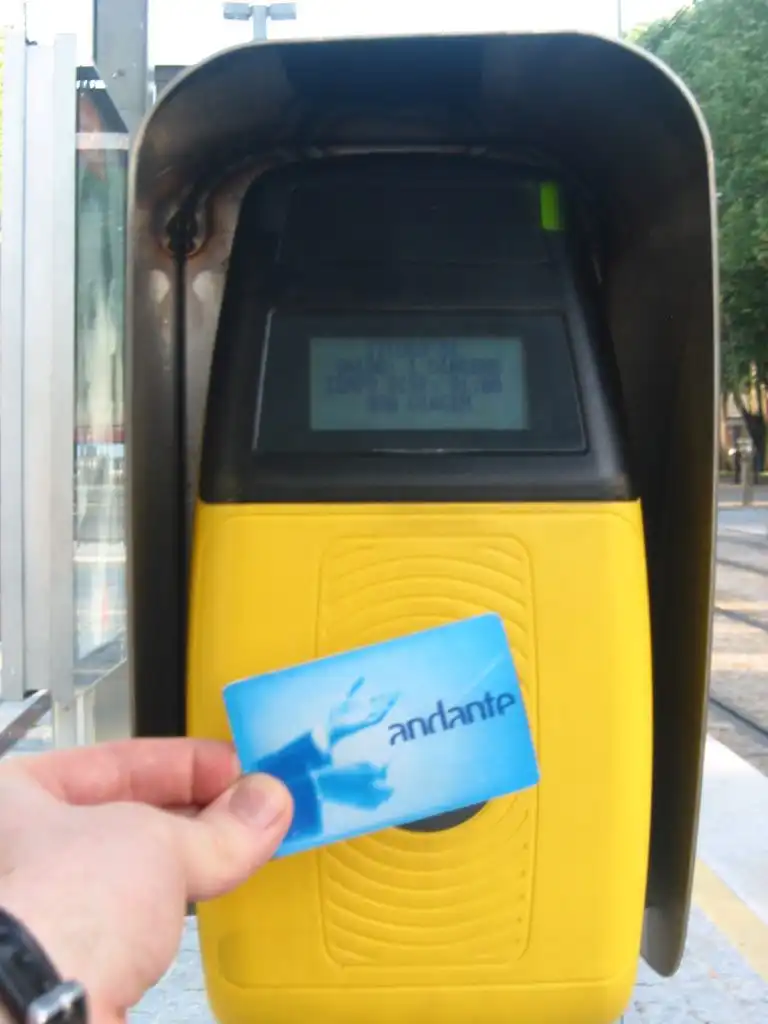
The Andante ticketing system simplifies travel by combining the Metro, buses, and suburban trains into a single system. It offers a range of ticket options to suit different passenger needs.
Ticket Options
- Andante Azul: A flexible option for occasional travelers. Available for single trips or 24-hour passes.
- Andante Tour: Perfect for tourists, offering unlimited travel for 24 or 72 hours. It’s a cost-effective choice for exploring various areas in a short period.
- Andante Prateado: A personalized card for residents, particularly students and regular commuters.
Contactless Payments
Many stations now support contactless credit/debit card payments, providing a convenient and quick way to purchase tickets.
How to Validate Your Ticket
Validating your ticket is mandatory for a smooth and legal journey on the Porto Metro. To validate, simply tap your ticket or Andante card at the yellow validation machines at station entrances or platforms. You must validate your ticket both when entering and exiting the stations to ensure the system records your journey and fare correctly.Not validating your ticket can result in a fine of €95. This is strictly enforced, so don’t forget to validate your ticket. First-time users, especially during peak hours or when in a rush, may overlook this step but make sure to find the yellow machines before you enter the train. In some cases, inspectors may check your ticket on board and not validating will result in the fine. Be aware of this process to have a smooth and hassle-free journey on the Porto Metro.
6. Tips for Using the Porto Metro
Using the Porto Metro is convenient and efficient but here are a few tips to help you make the most of your journey. First, plan ahead. Use navigation apps or the Porto Metro’s website to plan your routes and connections before you travel. These will help you avoid confusion, especially if you’re not familiar with the metro system or need to make transfers. Knowing your route in advance will save you time and stress.
A helpful tip is to travel during off-peak hours. The Porto Metro can get busy during rush hours, typically 7:00–9:00 AM and 5:00–7:00 PM. If you can, try to avoid these times for a more relaxed and less crowded trip. For tourists, Andante Tour Tickets are a great option. These tickets offer unlimited travel for a set number of days, perfect for exploring the city without the hassle of buying multiple tickets. They also save you money compared to buying individual tickets. And always remember to validate your ticket each time you board, as not doing so may result in fines. This simple step will ensure a smooth and stress-free journey.
7. Sustainability and Design Excellence
The Porto Metro is not only a means of transport but also a leader in sustainability and environmental responsibility. One of its eco-friendly features is the energy recovery system on its trains. This system allows the trains to recover up to 30% of their energy when braking and redirect it to be reused. This reduces the overall energy consumption of the metro network and its carbon footprint. By doing so, the Porto Metro is contributing to the city’s air quality and to the fight against climate change. The metro’s commitment to sustainability and design excellence has been internationally recognized. In 2013 the Porto Metro won the Veronica Rudge Green Prize in Urban Design for its contributions to urban planning and environmental stewardship. The metro’s design and implementation have made Porto a leader in sustainable urban transport. This eco-friendly approach not only improves the commute but also sets an example for other cities to improve their transport systems with minimal environmental impact.
8. Exploring Porto with the Metro
One of the main reasons to choose the Porto Metro is its convenience to get to the city’s main attractions. The metro takes you to Vila Nova de Gaia, home to Porto’s famous Port wine cellars. This area has many cellars with wine tastings and guided tours, a must-see for wine lovers. The Dom Luís I Bridge offers stunning views of Porto and is a great place for a walk. Whether you’re a wine enthusiast or just want to see Porto’s skyline, the metro makes it easy to get there.
For a more relaxed experience, take a short metro ride to Matosinhos, a charming seaside town known for its picturesque beaches and excellent seafood restaurants. It’s the perfect day trip for those looking to unwind outside the city. Sports fans will also appreciate the metro’s access to Estádio do Dragão, home to the famous FC Porto. Whether you’re attending a live football match or taking a guided tour of the stadium, the metro makes visiting this historic venue easy. With the Porto Metro, all these attractions are within reach, allowing you to spend more time enjoying the sights and less time worrying about transportation.
9. Challenges and Future Expansions
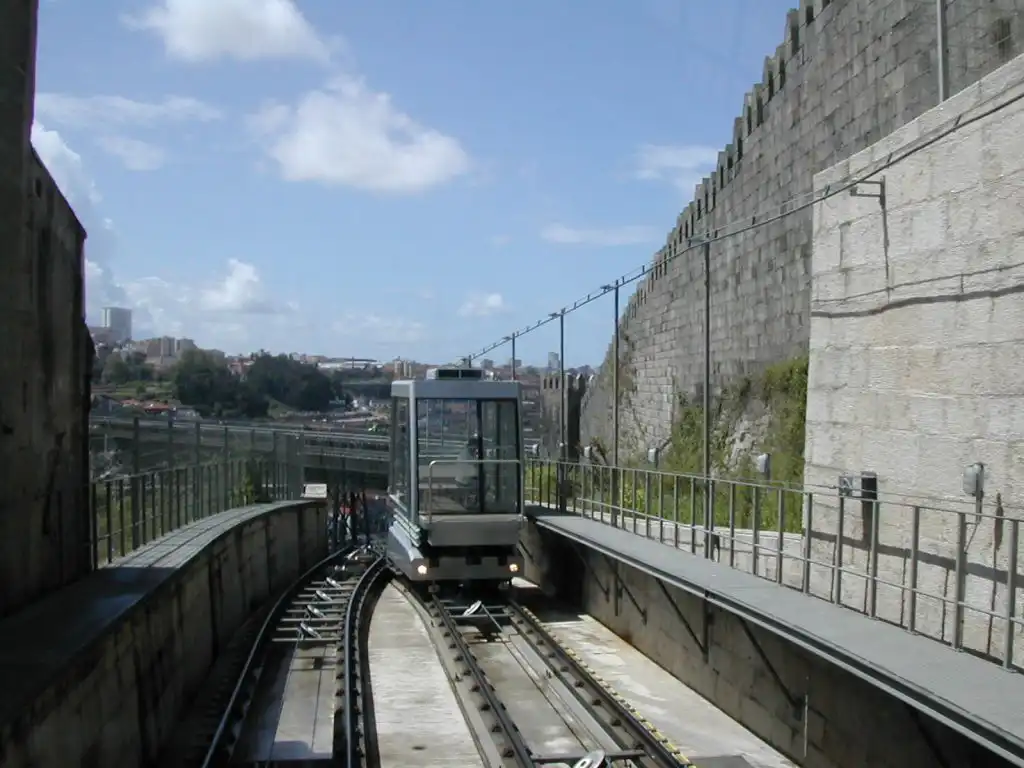
Porto’s metro system has experienced both challenges and successes. While it has revolutionized how people navigate the city, it has also faced financial obstacles and construction delays. Expanding the infrastructure requires significant resources, and any slowdowns in funding or construction can disrupt the timeline. These challenges have occasionally hindered progress, leaving the metro struggling to keep up with the growing number of commuters. However, rather than faltering, the system has adapted, turning setbacks into opportunities for improvement.
With Porto’s population growing rapidly, a major upgrade of the Metro network is in the works, aimed at making commutes more efficient and aligning with the city’s increasing demand for accessible public transport. Significant changes are on the way, including new lines and extensions, which will allow more people to move around the city with ease. These improvements are set to reduce congestion and help travelers access more areas of Porto. As the metro continues to evolve with the city, its impact on public transportation will only continue to grow.
10. Why Choose the Porto Metro?
Speed, savings, and simplicity— the Porto Metro checks all the boxes for those looking to navigate the city with ease. Imagine this: bypassing long lines and staying ahead of the curve with real-time updates, all made possible by modern technology. Hop on, relax, and trust the reliable metro system to take you where you need to go—a convenience especially appreciated by weary travelers and daily commuters racing against the clock. In Porto, visitors can enjoy the peace of mind that comes with affordable fares and flexible ticketing, making getting around the city both easy and budget-friendly.
Where To Stay In Porto?

Porto provides a wide range of accommodation choices to suit every type of traveler, from luxurious hotels to charming boutique guesthouses. Whether you’re seeking a lavish stay or a cozy, historic guesthouse, Porto has the perfect place to rest your head. A standout option is the Canto de Luz Porto Boutique Hotel, a beautifully renovated property that blends French elegance with the authentic spirit of Porto. Located in the heart of Porto’s old town, Canto de Luz is just a short walk from key attractions like the iconic Ribeira, São Bento Station, and the Dom Luís I Bridge. It offers a peaceful retreat amidst the city’s vibrant energy, providing a serene atmosphere with easy access to Porto’s top spots. For more choices, be sure to explore the Top 8 Hotels in Porto for the best accommodation options during your visit.
Key Highlights of Canto de Luz Porto Boutique Hotel:
- Restoration and Design: The hotel has been carefully restored to preserve its original charm while blending modern luxury with French-inspired design.
- Unique Villas: For guests seeking more privacy, Canto de Luz offers Villa Almada, a two-bedroom villa with a private pool, and Duplex Garden Villas, one-bedroom luxury villas nestled in peaceful gardens.
- Relaxation: Unwind at the heated outdoor saltwater pool, the perfect spot to relax after a day of sightseeing in Porto.
- Gastronomy: Known for its daily-changing homemade breakfast made with fresh ingredients sourced from Porto’s Mercado de Bolhão, the hotel also offers cooking classes, food tours, and wine tastings through its Canto Cooking school.
- Central Location: Ideally situated within walking distance of key attractions like Aliados Street, Clerics Tower, and Porto’s waterfront.
Whether you’re visiting Porto for a short getaway or an extended stay, Canto de Luz offers an unforgettable experience in the heart of the city. For more details and to book your stay, visit Canto de Luz.




.jpg)


