

Porto, Portugal is a city renowned for its artistic flair and architectural treasures, but one feature that truly captures the city’s essence is portos incredible azulejos. These stunning hand-painted ceramic tiles, typically in bold blue and white, adorn churches, train stations, historic buildings, and even street facades like a vibrant artwork. More than just decoration, azulejos tell stories of religious tales, historical events and everyday life in Porto – making them an absolute must see on any cultural adventure through the city especially when exploring landmarks such as Porto Cathedral.
The History and Significance of Azulejos in Porto
The story of portos azulejos starts in the 16th century, as the city’s artisans drew inspiration from Moorish, Spanish and Italian tile-making traditions. Over time they developed their own unique style, blending intricate patterns and storytelling motifs that would become a hallmark of portuguese culture. This beautiful art form has evolved through the centuries, leaving a lasting impact on the city’s identity.
Azulejos originated in both public and religious buildings, but quickly became a symbol of porto’s spiritual and social history, brought to life through visual art. By the 18th and 19th centuries, the now famous blue-and-white designs had taken centre stage, embodying purity, cultural pride and national heritage.
Some Key Highlights of Azulejos in Porto
- Origins: Introduced in the 16th century with influences from Moorish, Spanish and Italian craftsmanship
- Role in the City: Used not only as decoration, but also as a way to tell the story of porto’s history through stunning visuals on buildings and monuments
- Blue-and-White Tradition: In the 1700s and 1800s, these colours became the defining feature of portuguese identity
- Architectural Impact: Azulejos in Porto can be found all across the city’s architecture – from grand religious facades to railway stations and even the average home
- Artistic Growth: Artists such as Joaquim Machado de Castro continued to push the boundaries of this art form, incorporating realism and innovation into their work
- Modern Presence: Azulejos in Porto can be seen both in historic murals and contemporary art – blending tradition with modern creativity
- Cultural Legacy: For porto, azulejos are more than just tiles – theyre a living tradition that connects the city’s past to its present
List of Places to See Azulejo Tiles:-
1. The Unmissable Azulejo Masterpiece of Porto Cathedral
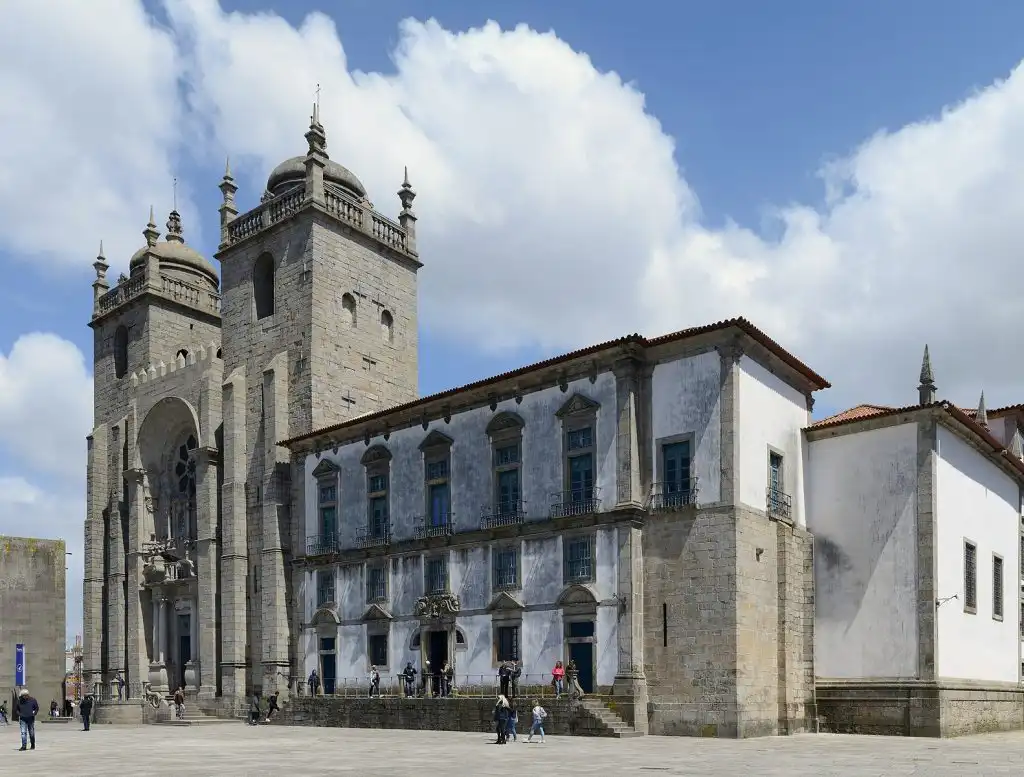
Hidden away in the atmospheric cloisters of Porto Cathedral (Sé do Porto) lies one of the most breathtaking displays of azulejos in Porto – an exquisite blue and white ceramic tiled wall depicting intricate biblical scenes that transport visitors back in time centuries ago. These tiles are not only a testament to portuguese artistic flair, but also to the country’s rich religious and artistic heritage.
The Origins of Porto Cathedral’s Azulejos
For years, the origins of the cathedral’s stunning azulejo panels, measuring 5.56m by 3.50m remained a mystery. Historical research eventually shed some light on this mystery by meticulously examining old shipping records from the 18th century. The records showed that between 1729 and 1731, large consignments of azulejos were transported from Mocambo (nowadays Madragoa, Lisbon) to Porto. At that time, Mocambo was a major centre for ceramics and tile production and the work of some of portugal’s most skilled artisans was based there.
By cross-referencing these shipments with known artists of the time, historians confirmed that Valentim de Almeida was the most likely painter responsible for the tiles in Porto Cathedral. His name kept appearing in the shipping documents, and we know he lived and worked in Mocambo, which links him to this incredible work.
Visiting Porto Cathedral
As one of porto’s most iconic landmarks, Sé do Porto is a beautiful blend of roman, gothic and baroque architectural influences. And with the stunning azulejo panels in the cloisters, visitors can also see the building’s impressive façade, the stunning rose window, and a richly decorated altar that showcases the evolution of art and culture over the centuries.
Getting There
The cathedral is just a short walk from São Bento Station, which itself is famous for its large scale azulejo murals. From the station it only takes about 5 minutes to reach the cathedral on foot, with breathtaking views of porto’s historic centre along the way.
Why It’s a Must-Visit
For anyone exploring the azulejos in Porto, the cloisters of Porto Cathedral are an unmissable stop. The intricate tilework not only showcases Portugal’s enduring craftsmanship but also embodies the deep spiritual and cultural legacy of the city. For a more in-depth experience, consider joining a Porto Cathedral guided tour — a guided visit that offers fascinating insights into the cathedral’s architecture, history, and cultural significance.
2. Igreja do Carmo
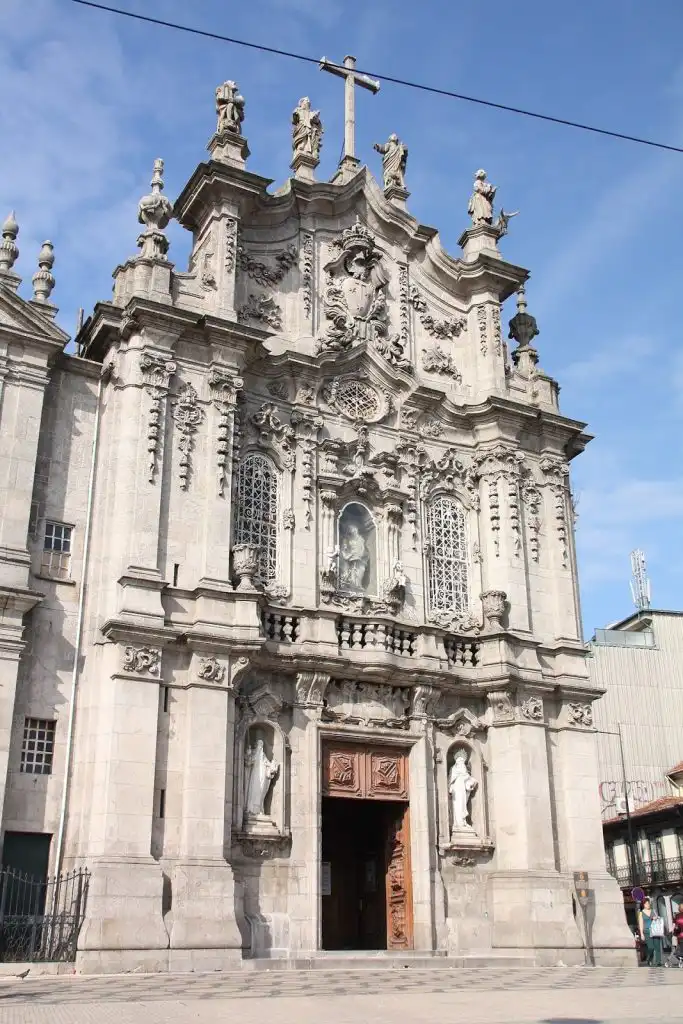
The Igreja do Carmo is one of the most iconic examples of azulejo-covered architecture in Porto, and it stands as one of the city’s most visually striking churches. Built in the 18th century in the Baroque style, its façade is decorated with a dazzling mural of blue-and-white azulejo tiles that immediately captures attention and makes it a true landmark of Porto.
While the church itself dates back to the 1700s, the magnificent azulejo tiles were added in 1910. They depict the founding of the Carmelite Order on Mount Carmel, a masterpiece designed by Silvestre Silvestri and executed by Carlos Branco. The result is one of Porto’s most photographed works of art, celebrated for its remarkable detail, vivid contrasts, and historical significance.
Inside, the church reflects the grandeur of Portuguese Baroque architecture, with gilded wood carvings, elaborate altars, and religious paintings that add to its richness. Adding a curious detail, a very narrow house was built between Igreja do Carmo and the neighboring Igreja dos Carmelitas to separate the two religious orders.
Visiting Igreja do Carmo
To reach Igreja do Carmo, take the metro to Aliados Station. From there, it’s about an 8-minute walk. Whether you are exploring the azulejo in Porto, admiring Baroque architecture, or simply seeking one of the city’s most impressive landmarks, Igreja do Carmo is an unmissable destination.
3. São Bento Station
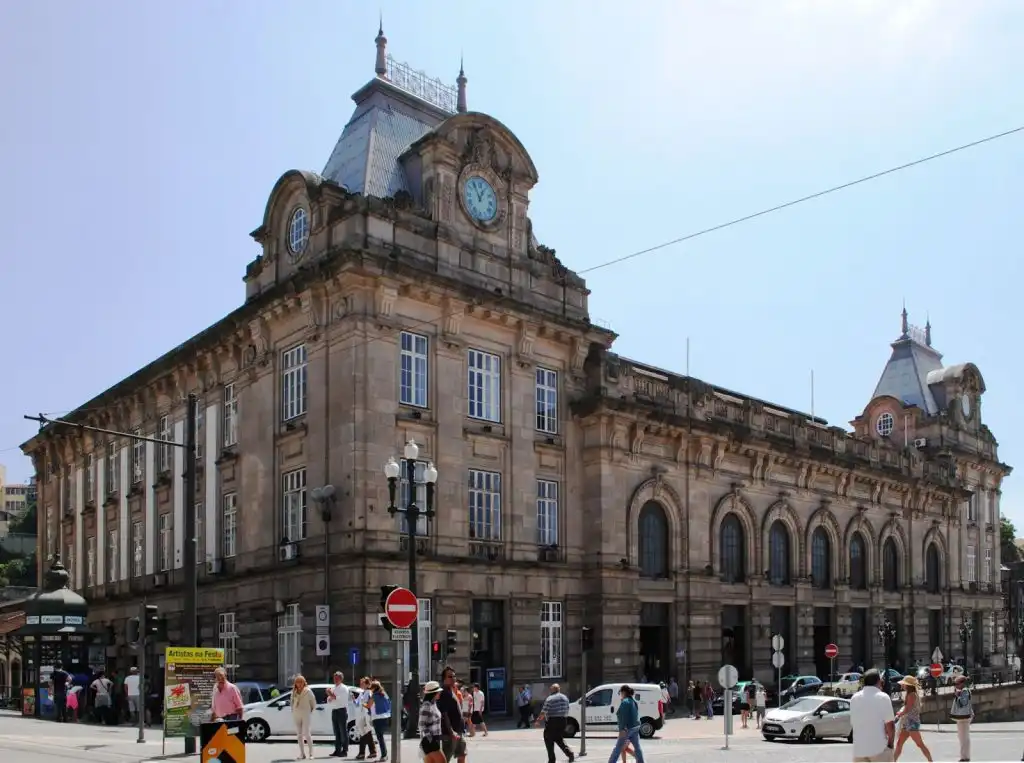
São Bento Station (Estação de São Bento) is one of Porto’s most celebrated landmarks – and not just because of its stunning architecture, but also because of the incredible display of azulejo tiles on show. This historic train station was opened in 1903, but it’s so much more than just a place to catch a train – it’s a real cultural treasure that showcases the timeless beauty of Portuguese tilework.
When you walk in, you’re greeted by this vast hall where over 20,000 azulejo tiles make up a 551 square metre hall that’s basically a work of art. The tiles were designed by artist Jorge Colaço, and they tell a story through their depiction of key moments in Portugal’s history – from the foundation of the Portuguese Kingdom to the age of maritime exploration. It’s a stunning display that captures the nation’s proudest achievements.
The azulejos here also reflect the traditions of Northern Portugal, with scenes of rural life, everyday professions and customs that give a glimpse into the region’s rich cultural heritage. There are also depictions of the four seasons and motifs inspired by Islamic art – a reminder of Portugal’s diverse artistic influences.
The combination of history, culture, and craftsmanship makes São Bento Station one of the most important places to admire the azulejo in Porto. Each panel tells a story, immersing visitors in centuries of Portuguese tradition. Whether you are passing through on your travels or exploring the city’s cultural landmarks, a visit to São Bento is an essential experience. For more details on Porto map visit A complete guide of porto metro map.
Key Highlights of São Bento Station and The Azulejo in Porto
- Historic Landmark – São Bento Station, opened in 1903, is one of Porto’s most famous landmarks – where stunning architecture meets real cultural significance.
- Azulejo Masterpiece – The station’s grand hall is a work of art, with more than 20,000 azulejo tiles designed by the renowned artist Jorge Colaço covering a massive 551 square metres.
- Historical Narratives – The panels showcase defining moments in Portuguese history, from the foundation of the Portuguese kingdom to the age of overseas exploration.
- Cultural Depictions – As well as these historic milestones, the tiles show daily life in Northern Portugal, giving a glimpse into the traditions of past generations.
- Artistic Diversity – The artwork includes depictions of the four seasons and motifs inspired by Islamic design, which highlights the diverse influences on Portuguese art.
- Immersive Experience – Together, the azulejo panels create a journey through time, letting visitors experience centuries of Portuguese heritage in one place.
- Essential Visit – For anyone interested in the azulejo in Porto, São Bento Station is one of the city’s most important and unmissable cultural attractions
4. Igreja de Santo Ildefonso and Its Azulejo Style
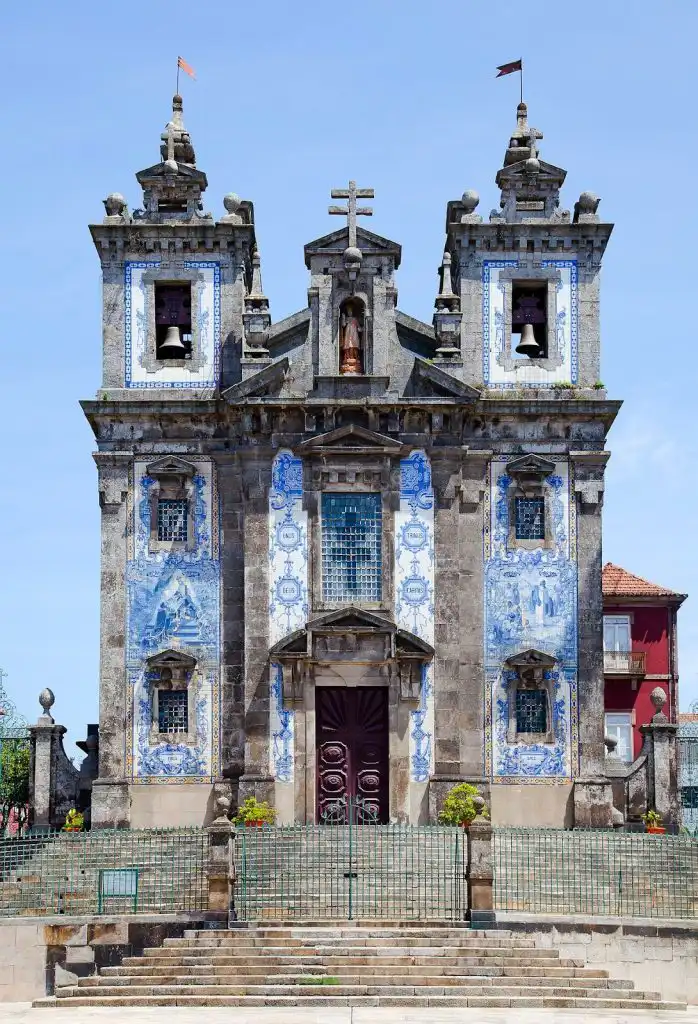
The Igreja de Santo Ildefonso, a real showstopper of an 18th-century Baroque church, sits pretty near Batalha Square in Porto. Its stunning façade is something to behold, but what really puts it on the map is the amazing array of azulejo tiles that cover much of its exterior – its a must-see for anyone with an interest in the azulejo tradition in Porto.
Back in 1932, the church’s façade got a complete makeover courtesy of an incredible azulejo mural designed by the renowned artist Jorge Colaço. Executed in that classic blue-and-white style we all know and love, the mural tells the story of Saint Ildefonso, the church’s patron saint, and some other important moments in his life. And let me tell you, it’s a real masterpiece – it showcases just how powerful and emotive Portuguese tile art can be.
The Standout Features of the Azulejo at Igreja de Santo Ildefonso:
- Storytelling on a Grand Scale: The tilework brings the life and times of Saint Ildefonso to life in intricate detail – it’s a real treat for anyone who loves art and history.
- A Timeless Colour Scheme: The blue-and-white palette is, of course, the most classic and traditional style of Portuguese azulejos.
- Elegant Patterns and Decorations: The azulejos are influenced by Baroque and Rococo design, and you can see that in the beautiful geometric layouts and fine details.
- Part of the Church, Not Just Decoration: The tiles are fully integrated into the church’s façade, not only adding to the building’s grandeur but also serving as a way to keep the rain out.
The Igreja de Santo Ildefonso is the perfect example of just how much the azulejo in Porto has to offer – it’s a fusion of art, faith, and architecture that visitors will really appreciate. If you are staying in the area, you might like to know that the boutique hotel Canto de Luz is just a short stroll away.
5. Capela das Almas
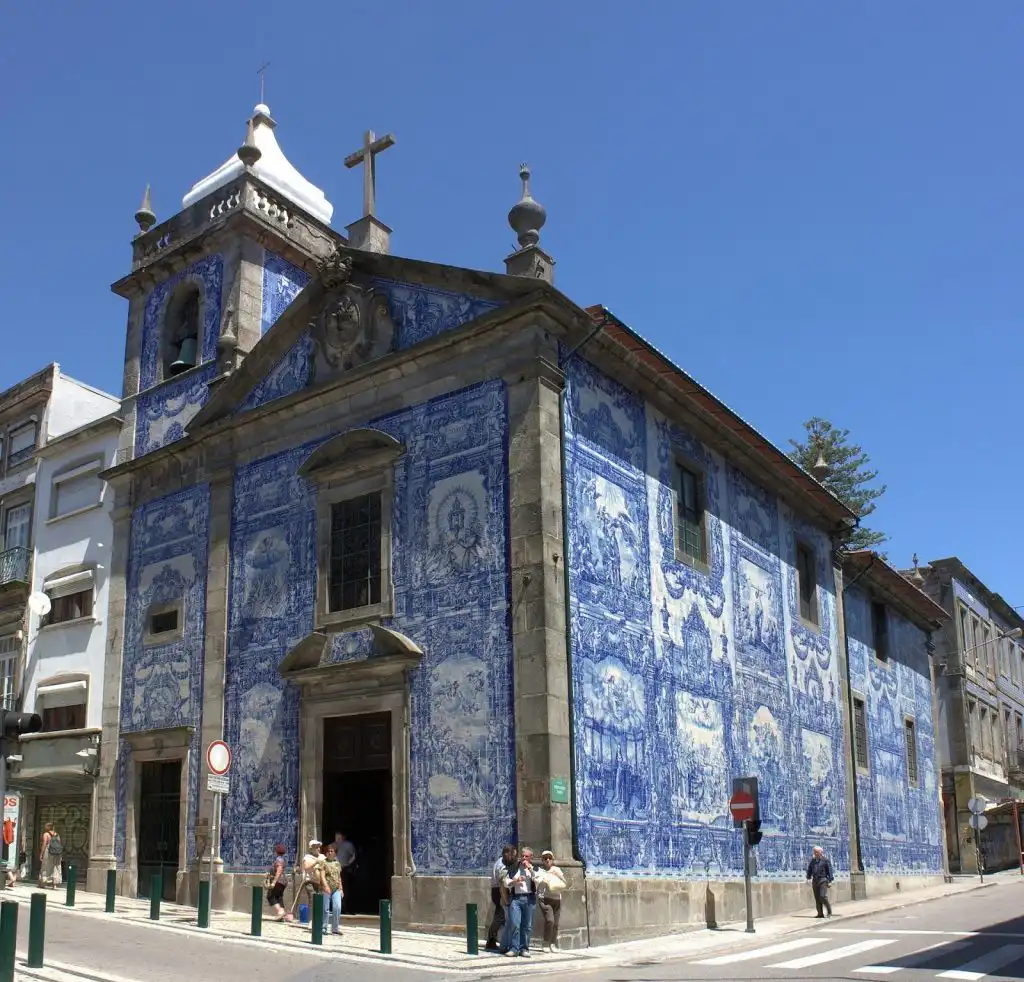
The Capela das Almas, or Chapel of Souls, is an absolute gem when it comes to azulejo tilework in Porto. Right on Rua de Santa Catarina, the city’s busiest shopping street, this beautiful chapel brings together cultural heritage and everyday life in a really unique way. Completed back in 1929, its façade is covered in vibrant blue and white tiles that tell the story of the dramatic lives of Saint Catherine of Alexandria and Saint Francis of Assisi, the chapel’s patron saints.
The Azulejo Façade
The tiles of Capela das Almas were created by the master tile artist Jorge Colaço. His work here tells a truly intricate story in a narrative style that really brings both faith and history to the fore. Covering the entire exterior, the azulejos are a really great example of how tilework became such a big part of Porto’s art and culture scene.
So Why Visit Capela das Almas?
- An Important Cultural Landmark: A really important religious landmark that shows off Porto’s artistic and spiritual traditions.
- Exceptional Tilework: Features one of the most impressive 20th-century azulejo panels in Porto, designed by Jorge Colaço.
- Religious Storytelling: The tiles tell the story of Saint Catherine and Saint Francis, blending devotion with art in a really special way.
- A Peaceful Refuge: While the facade pulls in the crowds, the chapel’s interior offers a peaceful haven from the bustling streets outside.
Just steps away from the chapel lies the Mercado do Bolhão, Porto’s famous market, where visitors can continue exploring the city’s cultural and culinary traditions. Together, these landmarks showcase the unique role of the azulejo in Porto, connecting history, faith, and daily life.
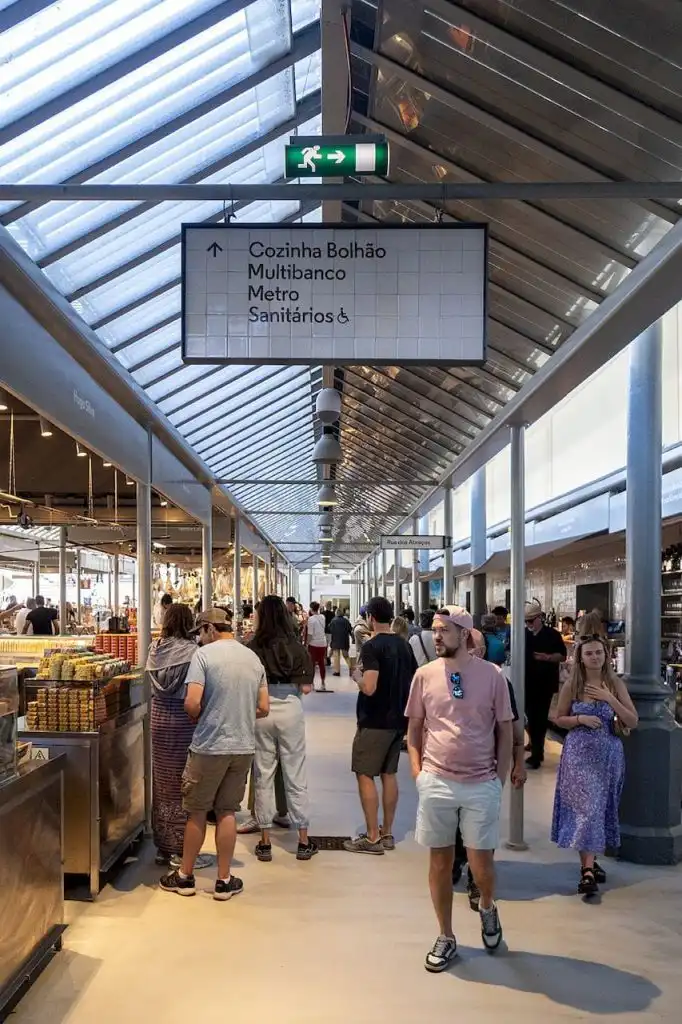
If you want to immerse yourself in Porto’s culinary traditions, the Chef-Led Market Tour and Portuguese Tapas Class with Wine by Canto Cooking is an experience not to be missed. Your journey begins at the historic Mercado do Bolhão, where a local chef will guide you through the bustling market to handpick the finest seasonal ingredients.
After the market visit, you’ll continue to the kitchen at Boutique Maison Canto de Luz, where the real magic begins. In this interactive cooking class, you’ll learn how to prepare authentic Portuguese tapas, known locally as petiscos. The experience is enhanced with carefully selected Portuguese wines, offering the perfect balance of flavor and culture.
This unique combination of market exploration, hands-on cooking, and wine pairing makes it one of the most authentic ways to discover the depth of Portuguese cuisine in Porto.
6. casa da música
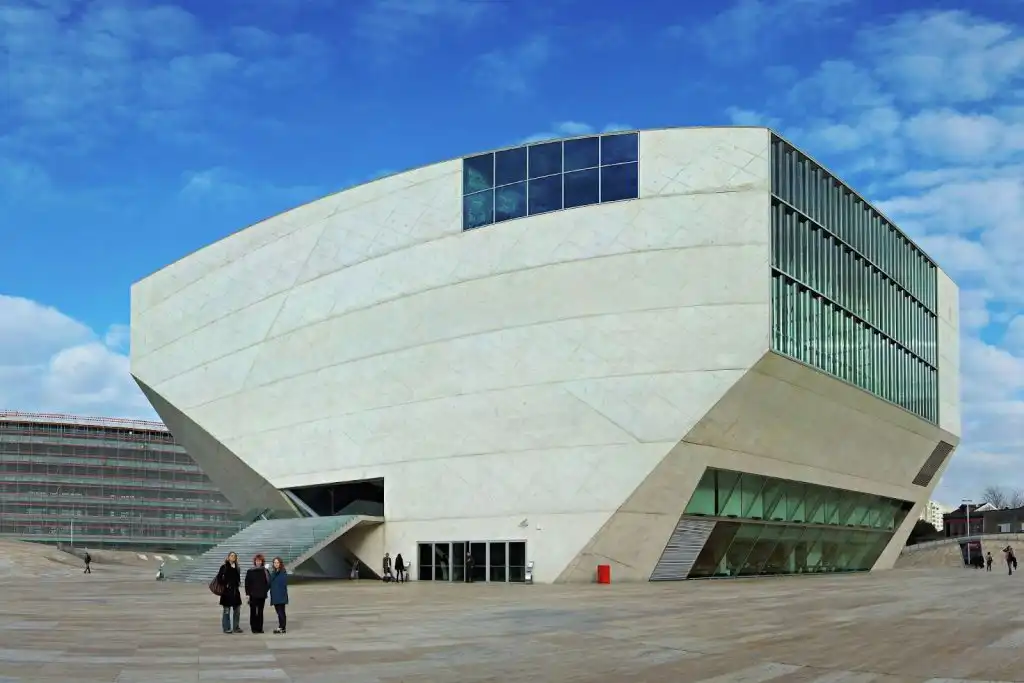
Out of all the places to stop and admire the azulejo in Porto, Casa da Música sticks out as a real stand out. And with good reason – it’s a truly unique concert hall that melds modern architecture with the classic charm of traditional Portuguese tilework, courtesy of renowned Dutch architect Rem Koolhaas.
One of the highlights is the VIP Room, where old school artistry meets cutting-edge design. The azulejo tiles here are inspired by 16th-century Portuguese tilework with a bit of European Renaissance flair thrown in for good measure. The intricate blue-and-white patterns dont just reflect Portugal’s rich cultural heritage, they tell a story through their detailed designs.
Casa da Música is a prime example of how Porto seamlessly blends the old with the new, celebrating its history while still embracing modern creativity with open arms.
7. Ribeira Negra Panel
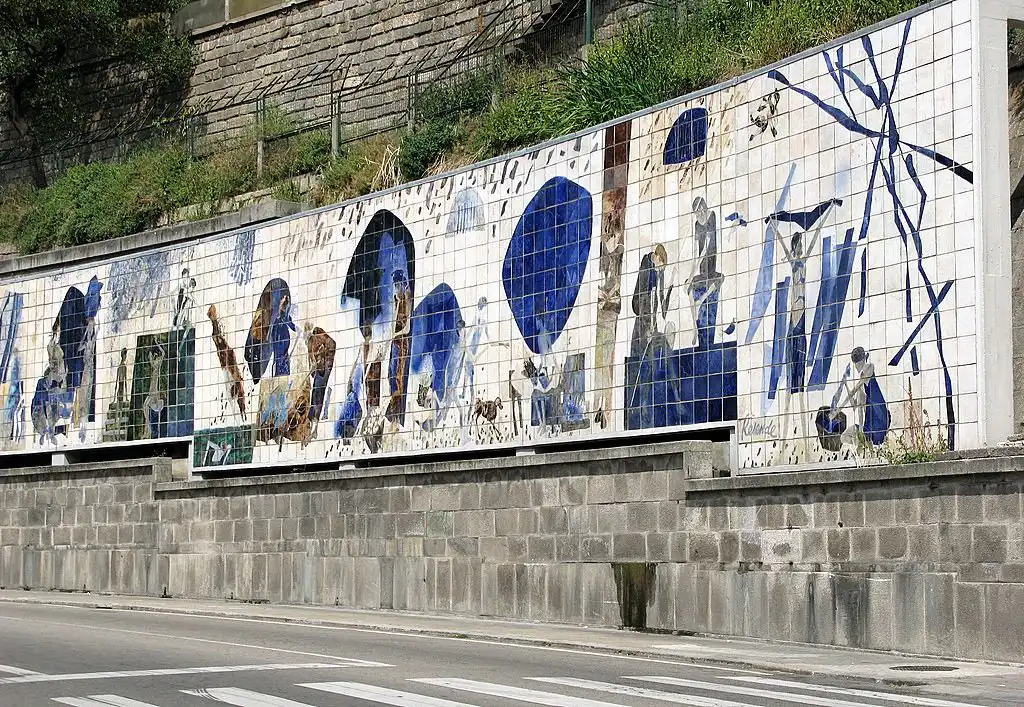
One of the most stunning examples of contemporary azulejo in Porto is the 40-meter-long ceramic mural created in 1987 by local legend Júlio Resende (1917–2011). This incredible artwork is made up of 40 separate ceramic panels that come together to form a vivid and powerful visual story that perfectly blends tradition with modern artistic vision.
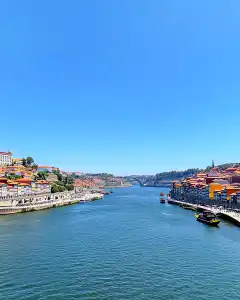
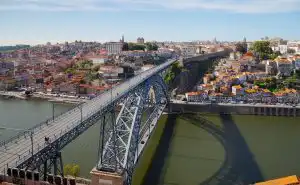
Located at the entrance of the Ribeira Tunnel, right by the iconic Luiz I Bridge, the mural is a true reflection of Porto’s deep cultural roots and the enduring spirit of its riverside community. Resende, who was born in Ribeira, paid a moving tribute to his hometown by painting a picture of the hardships and the vitality of life along the Douro River. The artwork just conveys a sense of the resilience, the sorrow and the joy of the generations who helped shape Porto’s historic riverside quarter.
Highlights of Resende’s Ribeira Azulejo Panel
- Scale & Design: a big ol 40-metre long mural that’s divided into 40 separate ceramic panels.
- Cultural Narrative: captures Ribeira’s history and tells the story of the struggles and strength of its residents in a really powerful way.
- Artistic Legacy: is a real tribute to Porto’s people and the way they’re connected to the Douro River.
- Prime Location: it’s right beside the Luiz I Bridge, so it’s a must-see for anyone exploring Porto’s riverside area.
How to visit this place: if you’re coming from São Bento Station, it’s just a 10-minute walk to the Ribeira Tunnel – and you’ll be strolling through some of Porto’s prettiest historic streets with the Luiz I Bridge as a stunning backdrop.
8. Igreja dos Congregados
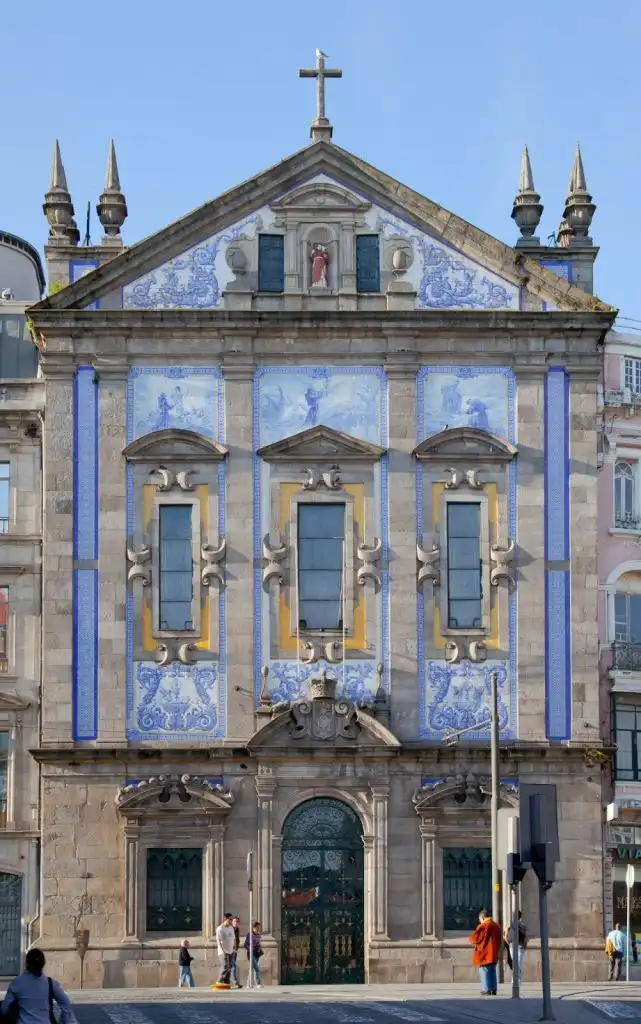
In the heart of Porto, Portugal, stands the Igreja dos Congregados, a striking example of 18th-century Baroque architecture. Built between 1732 and 1752 for the Congregation of the Clergy, this church is celebrated for its elaborate facade, crowned by a majestic bell tower. The exterior blends Portuguese charm with the dramatic flair of Italian Baroque, making it one of Porto’s most admired landmarks.
Inside the Igreja dos Congregados
Step inside and you’ll discover a richly decorated interior where gilded woodwork, ornate altarpieces, and traditional azulejo tiles transform the space into a sanctuary of faith and artistry. The walls are covered in blue-and-white azulejos depicting religious scenes, while the ceiling features spectacular painted murals of heavenly visions. Sculptures, paintings, and intricate details create an atmosphere that is both spiritual and visually captivating.
Key Highlights of Igreja dos Congregados
- Built in the 18th century, showcasing grand Baroque architecture.
- An ornate facade and bell tower that exemplify Baroque style.
- Interior decorated with gilded woodwork, azulejos, and religious art.
- Stunning ceiling murals portraying divine and celestial scenes.
- Central location, just a short walk from São Bento Station and Porto’s historic attractions.
Visiting Information
The church is easily accessible from Porto’s city center. From São Bento Station, it’s less than a 10-minute walk. Its location also makes it convenient to explore nearby cultural landmarks, charming streets, and other architectural gems in Porto.
Best Places to Buy Azulejo Tiles in Porto

Porto is a city that just overflows with history, culture, and all sorts of artistic talent, and for many people, the azulejo tile is the ultimate symbol of that – that beautiful ceramic tile that can be blue and white, or some other bright colour. Whether you’re after a traditional tile with a bit of history, or a modern reinterpretation, here are some of the top places in Porto to pick one up:
1. Prometeu Artesanato
Location: R. de Mouzinho da Silveira 136, 4050-253 Porto, Portugal
What to Expect: You’ll find a shop that’s all about beautiful hand-painted tiles – both the traditional and the modern kind. But Prometeu Artesanato isn’t just about tiles – they also sell some really neat smaller items like magnets, jewelry, and decorative trinkets.
Highlights of your visit will include: A really impressive selection of tile styles to browse through, and of course the chance to do some in-store shopping to find the perfect piece to take home.
2. Azulima
Location: This place is located in the Boavista area of Porto.
What to Expect: If you head on over to Azulima, you can expect to see a whole range of tiles – from classic hand-painted tiles to some really interesting contemporary designs, including some beautiful concrete floor tiles. They’ve got a lot on offer that will appeal to both collectors and people who want to buy in bulk.
Highlights of your trip will include: Having access to a huge selection of tiles, which is perfect if you’re planning on buying a few to take home. However, if you’re just looking for a single tile, they’ve got you covered there too.
3. Gazete Azulejos
Location: If you’re in the Bonfim area of Porto, be sure to pop into Gazete Azulejos. It’s a bit of a mix between a workshop and a store, and it’s all about preserving Portugal’s amazing tile-making heritage. You can even order custom tiles and take part in some workshops to learn more about how azulejos are made.
The highlights of visiting Gazete Azulejos are: Getting a real hands-on experience of Portuguese culture, and the chance to actually make your own tile – which makes for a really unique souvenir.
4. Porto & Tiles
Location: R. das Carmelitas 108–114, 4050-284 Porto, Portugal
What to Expect: This shop specialises in antique and vintage tiles, so if you’re looking to take a bit of real Portuguese history back to your place, then this is the shop for you.
The highlights of visiting Porto & Tiles will be: Being able to browse their impressive selection and do some in-store shopping to find the perfect piece for your home.
5. Zinda
Location: R. de Ferreira Borges 63, 4050-253 Porto, Portugal
What to Expect: Zinda is a lovely little boutique shop that’s all about the work of artist Adosinda Pereira. The shop showcases Adosinda’s beautiful handmade ceramics and some really unique azulejo tiles that really stand out from the crowd.
The highlights of visiting Zinda will include: Getting to experience a really cozy and intimate shopping environment, and being able to see some really distinctive and beautiful artisan designs up close
Best Hotel to Stay in Porto
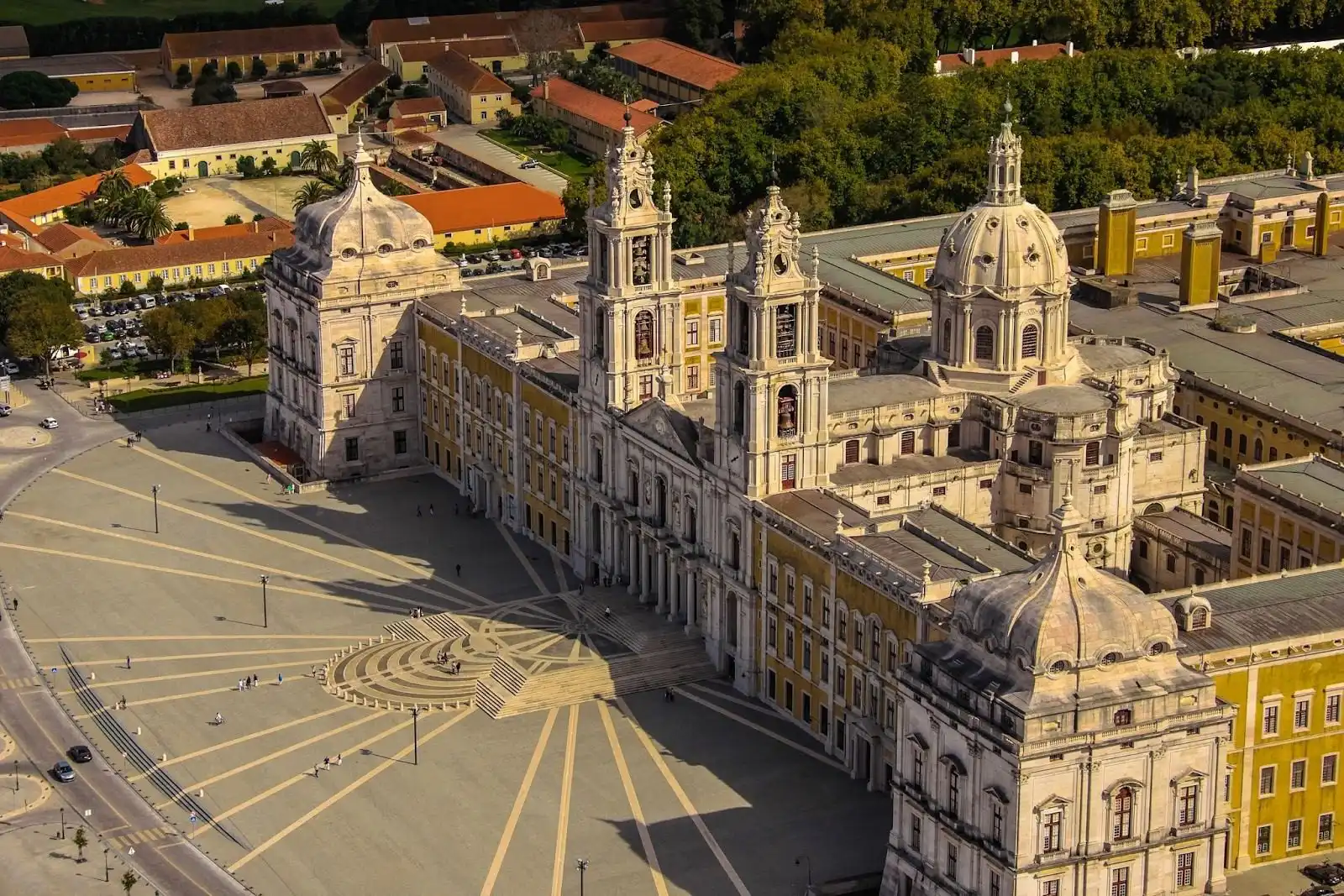
Hidden within Porto’s historic center, Canto de Luz Boutique Hotel Porto is a refined sanctuary that combines elegance, comfort, and serenity. Set in a beautifully restored townhouse, the hotel seamlessly merges French-inspired design with authentic Portuguese character. Its central yet tranquil location places guests just moments away from Porto’s most iconic attractions, while still offering a peaceful escape from the city’s lively streets.
Distinctive Accommodation Choices
At Canto de Luz Boutique Hotel Porto, every stay is designed to feel personal and unique, with a variety of luxurious options tailored to different styles of travel:
- Villa Almada – A private two-bedroom villa complete with its own pool, offering the ultimate in exclusivity for families or groups. Guests enjoy privacy while still benefiting from access to the hotel’s full range of services.
- Duplex Garden Villas – Modern mezzanine-style villas set among tranquil gardens. Each features spacious interiors, private outdoor patios, and a seamless flow between indoor and outdoor living.
- Elegant Suites & Rooms – Designed with sophistication and comfort in mind, these stylish spaces feature plush furnishings, contemporary amenities, and a calming atmosphere for restful nights in Porto.
A Memorable Stay in Porto
Whether you’re planning a romantic escape, a family holiday, or a quiet garden retreat, Canto de Luz delivers an experience defined by thoughtful design, warm hospitality, and attention to detail. With its prime location, luxurious accommodations, and exceptional service, the hotel stands out as one of Porto’s most memorable boutique stays.


#/media/Ficheiro:19._Igreja_do_Carmo_(Porto).JPG)
.jpg)


