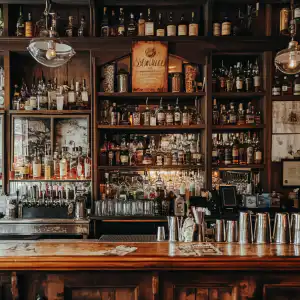

Porto Wine Tasting: Essential Details
- Two different experiences. Port tasting happens in the historic cellars of Vila Nova de Gaia. Douro table wine tasting happens in tasting rooms across the city, and the two are not the same thing.
- Typical cost: from around €20 for a short guided cellar visit with two wines, rising to €60 and above for premium and vintage flights.
- Duration: most tastings run between 45 minutes and two hours.
- Booking: the large cellars accept walk-ins outside peak season, but small tasting rooms and premium flights should be reserved in advance.
Porto gave its name to one of the world’s great fortified wines, and the city is built around the trade. The port lodges sit across the river in Vila Nova de Gaia, where barrels have been aged since the eighteenth century, while the vineyards that supply them are eighty kilometres upstream in the Douro Valley. Between the two sits a city with more places to taste wine per square kilometre than almost anywhere in Europe.
Canto Cooking runs tastings in Porto and works with Douro producers every week, so what follows separates the styles, the venues and the costs in the way visitors actually need to decide between them. If you are building a wider itinerary, our Porto food guide covers what to eat alongside the wine, and the Douro Valley guide covers the region the bottles come from.
What a Porto Wine Tasting Involves
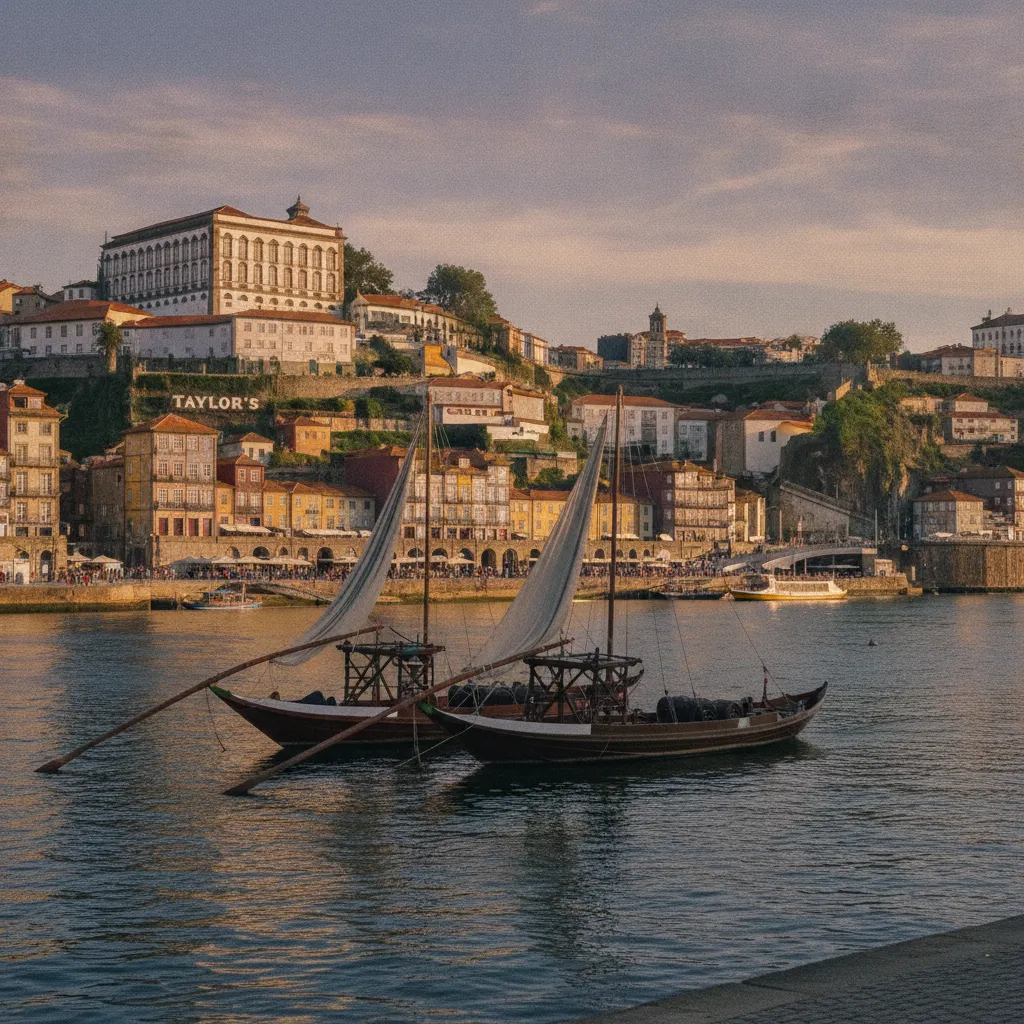
The phrase covers several quite different formats, and the distinction matters because the price and the experience vary considerably. A cellar tour in Gaia is a guided walk through the ageing warehouses followed by two or three small pours. A tasting room session is a seated flight with a host talking through each wine. A vineyard visit in the Douro is a full day out of the city.
| Format | Where | Duration | Typical price |
|---|---|---|---|
| Cellar tour and tasting | Vila Nova de Gaia lodges | 45 – 60 minutes | €20 – €30 |
| Premium or vintage flight | Gaia lodges, by reservation | 60 – 90 minutes | €45 – €90 |
| Tasting room session | Porto city centre | 1 – 1.5 hours | €22 – €40 |
| Douro Valley day trip | Upriver, 80km+ | Full day | €90 and above |
Price tracks the wine rather than the venue. A cellar tour pouring two entry-level wines sits at the bottom of the range wherever you take it, and a flight including a twenty-year tawny costs more because that bottle costs more. Comparing venues on price alone is therefore misleading unless you also compare what is in the glass.
For a first visit, one cellar tour and one seated tasting cover the ground well. The cellar explains how port is aged and why Gaia exists; the tasting room is where you actually learn to tell the styles apart, because you are sitting down with someone who can answer questions rather than moving through a warehouse with forty other people.
Port Wine Styles You Will Taste in Porto
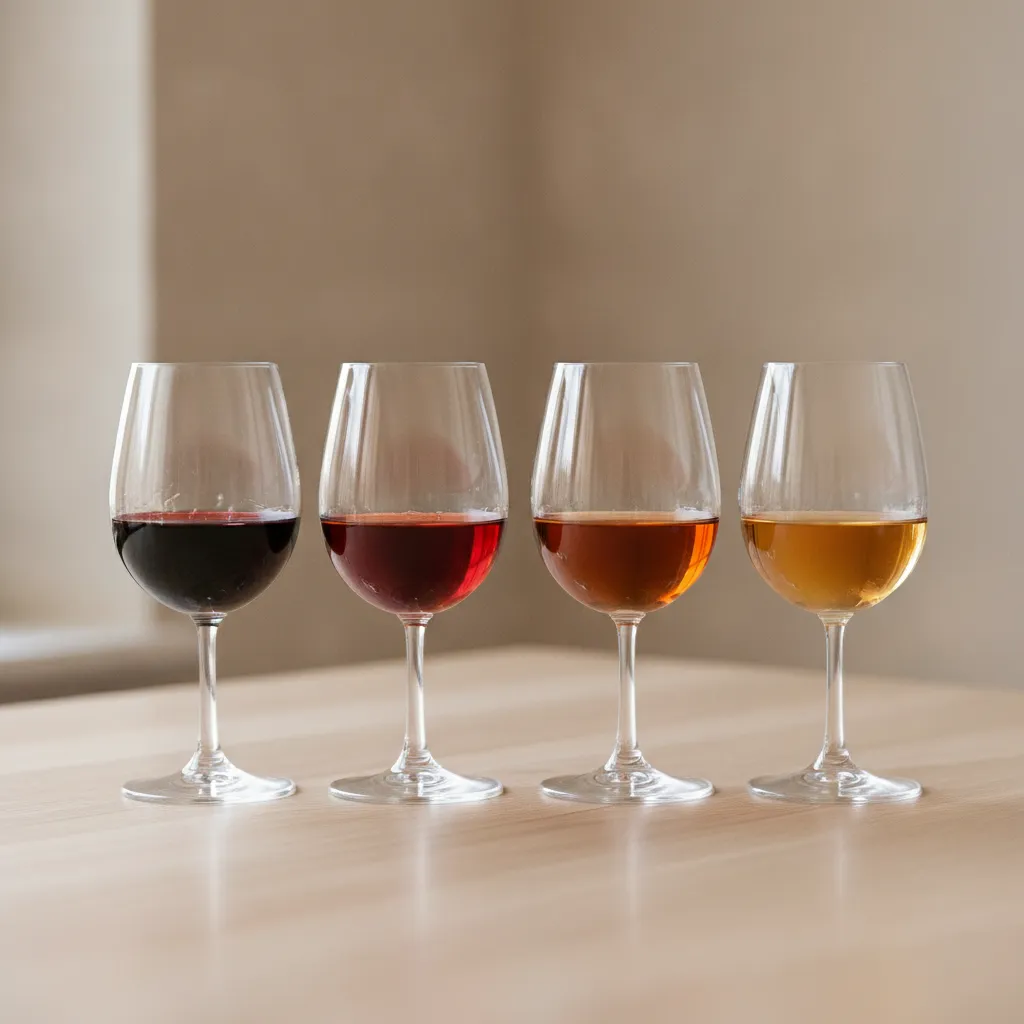
Port is a fortified wine: grape spirit is added partway through fermentation, which halts the process and leaves natural sugar in the wine. That is why port is sweet and why it reaches around twenty percent alcohol. Everything else about it comes down to how long it aged and in what.
The single most useful distinction is between wines aged in bottle and wines aged in wood. Bottle-aged ports stay dark and fruity because the glass keeps air out. Wood-aged ports lose colour and gain nutty, caramelised flavours as tiny amounts of air reach them through the barrel staves over years or decades.
| Style | Ageing | What it tastes of |
|---|---|---|
| Ruby | Short, in large vats | Bright red fruit, simple and sweet |
| Tawny | In wood, often 10 to 40 years | Nuts, dried fig, caramel, orange peel |
| White port | Varies, from fresh to wood-aged | Citrus and almond; served chilled with tonic |
| Late Bottled Vintage | 4 to 6 years in wood | Concentrated dark fruit, a step up from ruby |
| Vintage | 2 years in wood, then decades in bottle | The most structured and the most expensive |
| Colheita | Single-year tawny, long in wood | Tawny character with a stated harvest year |
Ruby, Tawny and Vintage Port Explained
Most tastings pour a ruby and a tawny side by side, because the contrast makes the point faster than any explanation. If a flight offers a choice, a ten-year tawny is generally the most revealing single glass for a newcomer: it is old enough to show the wood character clearly without the price of a vintage.
Port Wine Cellars in Vila Nova de Gaia
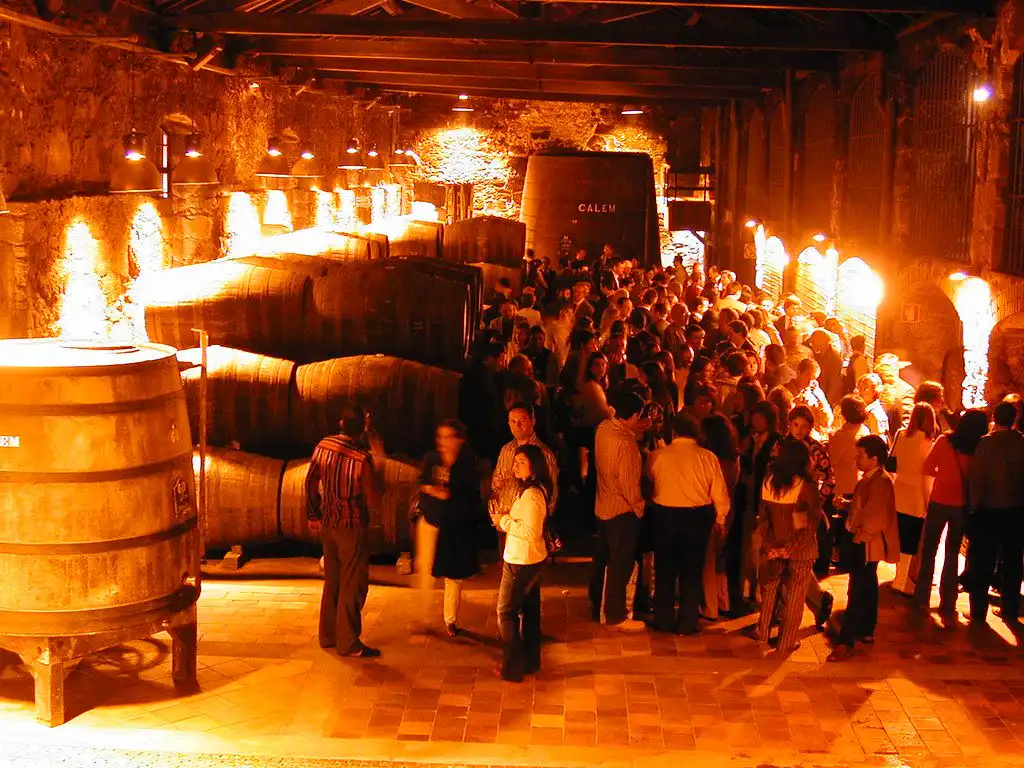
Almost every port house keeps its ageing cellars in Vila Nova de Gaia, on the south bank of the Douro opposite Ribeira. The reason is historical: the cooler, more humid south bank suited long barrel ageing, and a royal monopoly once required all port for export to be stored there. The lodges are concentrated within a few streets of the waterfront, which makes visiting two in an afternoon straightforward.
Choosing between the Gaia lodges
- The large historic houses run frequent guided tours in several languages, with fixed departure times and the most polished presentation.
- Smaller producers take fewer visitors at a time and generally allow more conversation with the host.
- Premium tastings are booked separately from the standard tour and pour older or single-harvest wines.
- Some lodges add a fado performance in the evening, which is a different proposition from a daytime tasting.
- Nearly all charge admission that includes the tasting, so the ticket price and the wine price are the same thing.
The cellars are cool year round, which makes them one of the better options on a hot afternoon or in rain. Walking between the lodges and the Ribeira waterfront takes a few minutes across the lower deck of the Dom Luís I bridge, and combining a cellar visit with a river trip works well; our guide to Porto boat tours and Douro river cruises covers the departures from the same quay.
Why the Port Wine Cellars Are in Gaia and Not Porto
The arrangement dates from the eighteenth century, when the Marquis of Pombal regulated the trade and required port destined for export to be held on the south bank. The practical reason was climate: Gaia faces north, stays cooler and more humid than the Porto side, and those conditions suit decades of barrel ageing. The shippers built there, and the lodges have not moved since.
Inside, the wine is stored in vessels of several sizes, and the difference is not decorative. Large oak vats hold ruby styles, where minimal contact with wood preserves the fruit. Smaller casks, known as pipes and holding roughly 550 litres, are used for tawny, because the greater surface area relative to volume speeds up the oxidation that produces the nutty character. Guides usually point this out, and it is the single most useful thing to take away from a cellar tour.
What Our Guests Say
“Great experience, our hostess was very welcoming, friendly and knowledgeable. This was my first ever wine tasting experience and I highly recommend. I loved the fact that we received a lot of good relevant information and instructions but we were also left to enjoy the wine and tapas.”
Terri Parrish · Porto wine tasting
Porto Wine Tasting Prices and What Is Included
Prices across the city are more consistent than they first appear, because most venues price by what is in the glass rather than by the venue. A standard cellar tour with two wines sits at the bottom of the range; anything pouring a twenty-year tawny or a vintage moves sharply upward, since the wine itself is expensive.
What varies more than price is what comes with the wine. Some tastings are wine only, standing; others are seated with food, which changes both the length of the session and how much you take in. Pairing matters with port in particular, because the sweetness needs something salty or rich alongside it to show properly.
What to check before you pay
- How many wines the price covers, and whether they are entry-level or aged.
- Whether you are seated, which is the difference between a tasting and a queue.
- Group size, since large cellar tours can run to forty people and small rooms to eight.
- Whether food is included — cheese, charcuterie or chocolate change the experience considerably.
- Language, as the big lodges rotate languages by departure time.
Tastings that include a cheese and charcuterie plate tend to represent better value than the wine-only equivalents once you account for the food, and they run long enough to be a genuine stop rather than a queue-and-pour. They also suit visitors who want to understand what they are drinking rather than simply to have drunk it.
Porto Wine Tours and Douro Valley Wine Tours From Porto
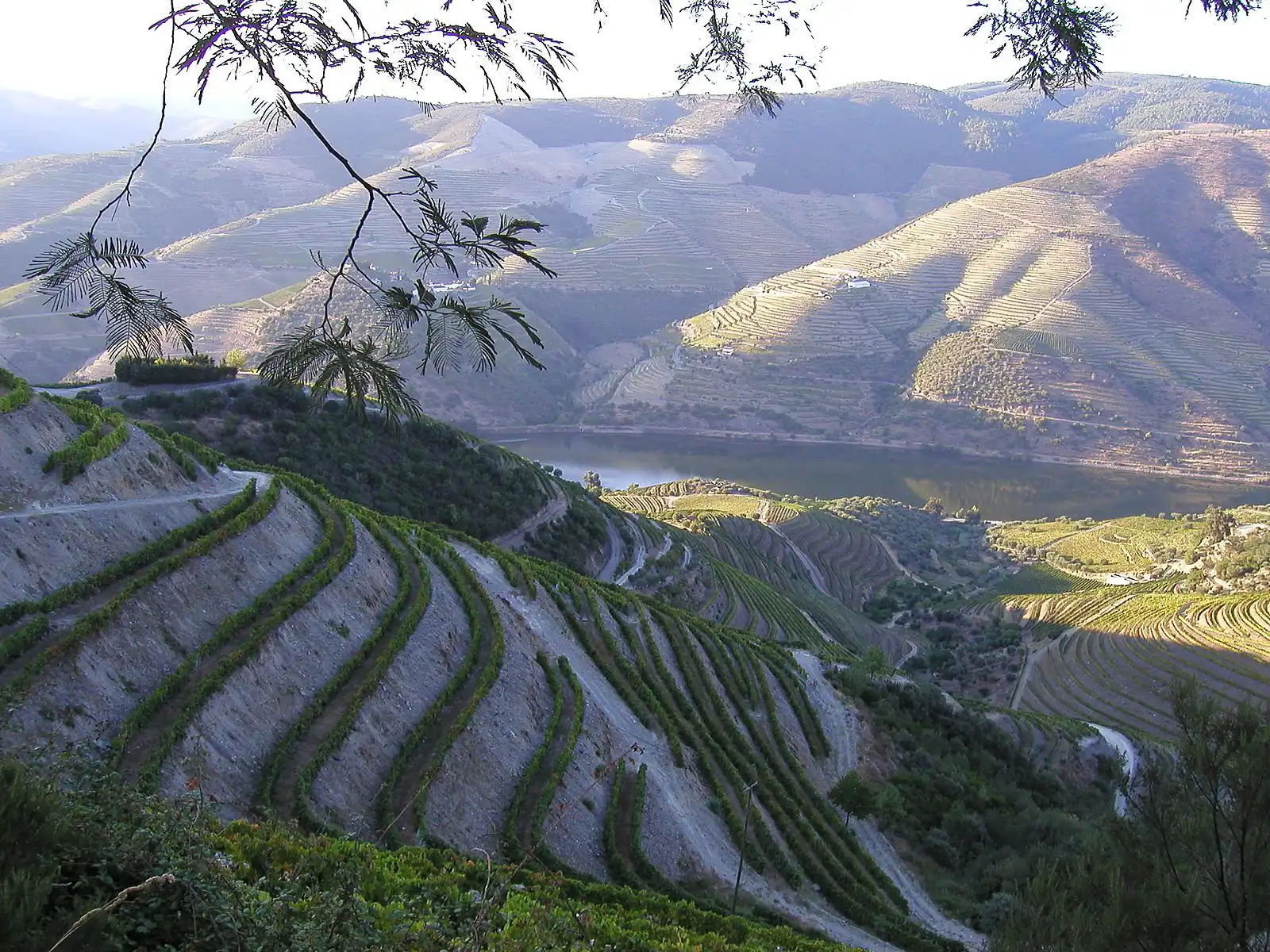
A tasting and a tour are different commitments. A tasting occupies an hour or two within the city. A Porto wine tour usually means leaving Porto altogether for the Douro Valley, where the vineyards are, and that is a full day between travel, visits and lunch. Both are worth doing, but confusing the two when booking is a common and expensive mistake.
What a Douro Valley Wine Tour From Porto Includes
The standard format collects you from Porto in the morning and visits two quintas, the estates where the grapes are grown and increasingly where the wine is made. Each stop includes a walk through the vineyards and a tasting of three to six wines, with lunch at one of them. Most operators return to the city by early evening.
The journey itself is a significant part of the value. The road follows the river east through Peso da Régua and on towards Pinhão, and the terraced hillsides that define the region only begin roughly two hours from Porto. Some itineraries substitute a stretch by boat or return by train, which breaks up the driving considerably.
Choosing a Douro Valley wine tour
- Group size — shared minibus tours typically carry eight to sixteen people; private tours cost considerably more but set their own pace.
- Number of quintas — two is standard and sufficient. Three makes for a rushed day.
- Whether lunch is included, and whether it is at a quinta or a roadside restaurant.
- Boat or train segments, which add variety but also add time.
- Harvest season — visiting in September means seeing the estates working rather than empty.
Anyone short on time is generally better served by a city tasting than by compressing the valley into a half day. The Douro Valley guide covers the region in detail, including reaching it independently by train, which is slower but considerably cheaper than a guided tour.
Douro Wine Tasting in Porto: Beyond Port
Port is not the only wine the Douro produces, and the unfortified reds and whites of the region have improved enormously over the last two decades. They are made from the same grape varieties grown on the same terraces, and tasting them alongside port makes both easier to understand.
The Douro reds are built on Touriga Nacional, Touriga Franca and Tinta Roriz, the varieties that also go into port. The whites, often from Rabigato, Viosinho and Gouveio, are grown at altitude and are fresher than the hot southern climate suggests. Neither style is widely exported, which makes tasting them in Porto the practical way to try them.
Why a Douro table wine tasting is worth adding
- It shows what the same grapes do without fortification, which is the clearest way to understand what the grape spirit changes.
- Sessions are seated and unhurried, and generally take in five or six wines rather than two.
- Bottles from small Douro producers rarely reach export markets, so the wines are genuinely unfamiliar.
- The whites in particular surprise people who expect only heavy reds from northern Portugal.
- It pairs naturally with Portuguese cheese and cured ham, which are on most tasting plates.
Vinho Verde from the neighbouring Minho region also appears on many Porto wine lists, lightly sparkling and low in alcohol. It is a different region and a different style, but it is worth ordering once while you are in the north, particularly with seafood.
Douro Wine Tasting With Portuguese Cheese and Ham
A seated tasting through two vintages of Douro white, a rosé and two distinct reds, served with a Portuguese cheese and ham plate. Held in the Orangerie at Canto de Luz on Rua do Almada, or in the garden on fine days. Ninety minutes, adults only, from €29 per person.
How to Choose a Porto Wine Tasting
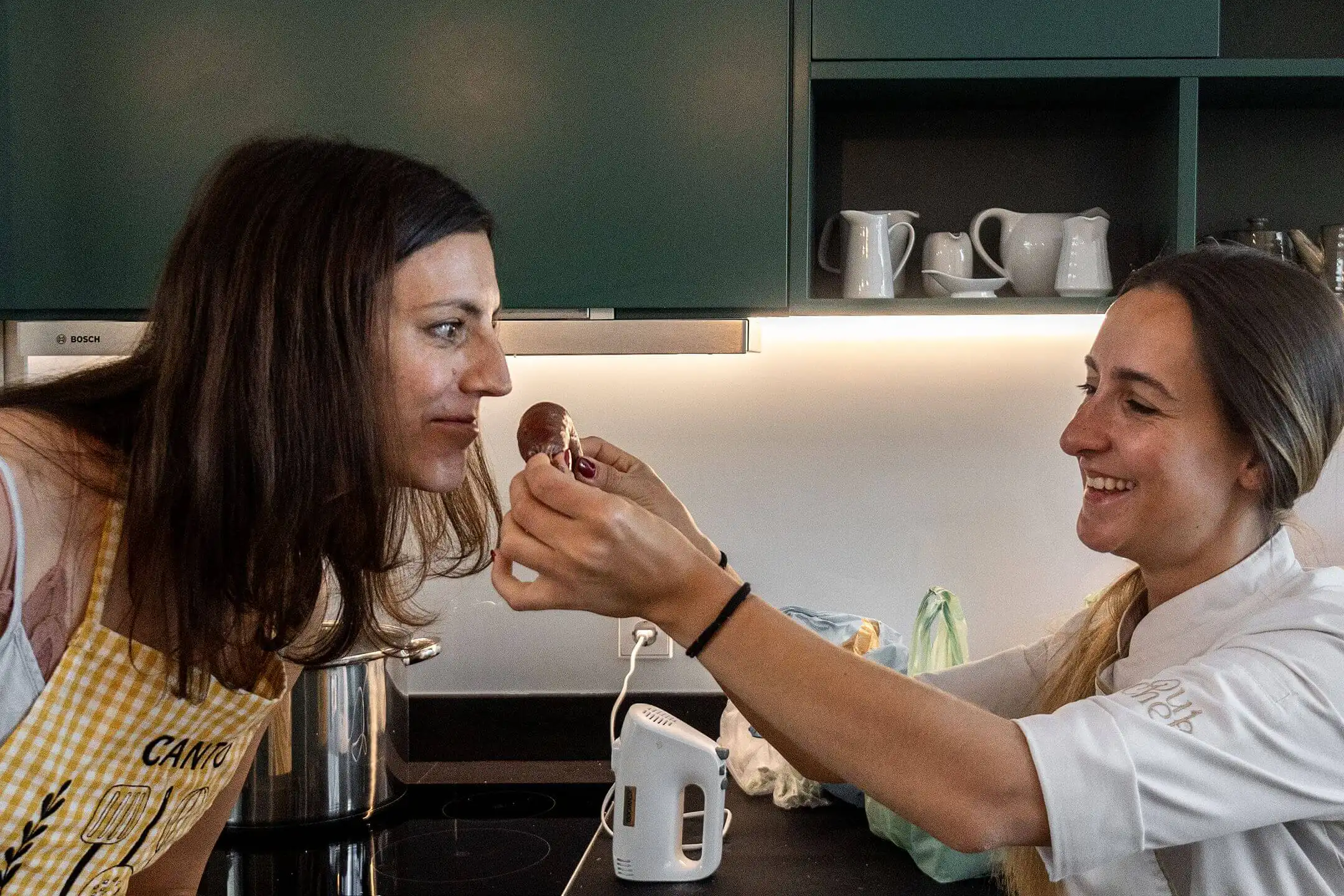
The right choice depends mostly on how much you already know and how much time you have. Someone with an afternoon and no background in fortified wine is served best by a guided cellar tour, where the building does half the explaining. Someone who already drinks port and wants to compare aged tawnies will get more from a seated premium flight.
Group size is the variable that most affects the experience and the one least often advertised. A tour of forty people moving through a warehouse is a different afternoon from eight people at a table, even when the wines are similar. Where a venue does not state its group size, asking before booking is worthwhile.
Matching the Tasting to Your Level
A complete beginner and a regular port drinker want different things from the same hour. Beginners benefit from breadth: four or five contrasting styles, with someone explaining what separates them. Anyone who already drinks port gains more from depth, comparing two tawnies of different ages or a vintage against an LBV from the same house.
Three questions to settle before you book
Step 1 — Decide port or table wine. If you have one session available and have never tasted port, start there. If you already know port, a Douro table wine flight will teach you more.
Step 2 — Decide seated or walking. Cellar tours involve standing and walking for most of the hour. Tasting rooms are seated throughout.
Step 3 — Check what food comes with it. Port with nothing to eat becomes tiring after three glasses. A cheese or chocolate pairing changes that considerably.
When to Visit and How to Book a Porto Wine Tasting
Tastings run year round and are among the more reliable wet-weather options in Porto, since the cellars and tasting rooms are indoors. The busiest months are June to September, when the large lodges fill their morning departures and the popular premium sessions sell out several days ahead.
Harvest, in September, is the most interesting time to visit the Douro itself, though it makes little difference to a tasting in the city. Winter sessions are quieter and often more conversational, since hosts have fewer people to attend to.
Booking in practice
- Large Gaia lodges accept walk-ins outside July and August, though the next available departure may be an hour away.
- Small tasting rooms should be booked ahead, as they run limited sessions with limited seats.
- Premium and vintage flights almost always require a reservation.
- Morning sessions are quieter than late afternoon across every venue.
- Most tastings are adults only, so check before booking if you are travelling with children.
Time of day matters as much as season. Palates are sharpest in the late morning, which is why professional tastings are held then rather than after dinner. A tasting booked for six in the evening after a full day of walking will be less rewarding than the same wines at eleven.
If you are combining a tasting with other plans, allow more time than the stated duration. A ninety-minute tasting occupies closer to two hours once you account for arrival and conversation afterwards. Many visitors pair a morning at Mercado do Bolhão with an afternoon tasting, which works well because the market closes in the early evening.
Porto Wine Tasting Questions Answered
The questions below are the ones most frequently asked before a first tasting, covering what port actually is, how it is made and served, and what to expect from a session in Porto.
Port carries more terminology than most wines, and the labels are not self-explanatory. Knowing the difference between a tawny and a ruby, and between an indication of age and a declared vintage, is enough to read any list in the city and to choose sensibly without relying on the price as a guide.
What Is Port Wine?
Port is a fortified wine made in the Douro Valley in northern Portugal. Grape spirit is added partway through fermentation, which stops the process and leaves natural grape sugar in the wine. The result is sweet and reaches roughly twenty percent alcohol. Only wine produced in the demarcated Douro region may be called port.
How Is Port Wine Made?
Grapes are harvested in the Douro and fermented until roughly half the sugar has converted to alcohol. Grape spirit is then added, halting fermentation and preserving the remaining sweetness. The wine is aged either in wood, which produces tawny styles, or in bottle, which produces ruby and vintage styles.
Is Port Wine Sweet?
Yes, though the degree varies. Fortification leaves natural sugar in the wine, so all port is sweet relative to table wine. Dry white port is the least sweet style and is often served chilled with tonic water, while vintage and ruby styles are the sweetest.
What Does Port Wine Taste Like?
It depends on the ageing. Ruby styles taste of bright red fruit and are simple and sweet. Tawny styles, aged in wood, taste of nuts, dried fig, caramel and orange peel. Vintage port is the most structured, with concentrated dark fruit that develops over decades in bottle.
How Do You Drink Port Wine?
In small measures, usually around 60 to 75ml, because of the alcohol and sweetness. Tawny and white port are served lightly chilled, while ruby, LBV and vintage are served at cool room temperature. Port is traditionally drunk after a meal, though white port with tonic is an aperitif.
What Is Tawny Port Wine?
Tawny port is aged in wood rather than bottle, which allows small amounts of air to reach it over years or decades. It loses colour and develops nutty, caramelised flavours. Ages are usually stated as 10, 20, 30 or 40 years, which indicates an average age rather than a single harvest.
Is Port A Dessert Wine?
It is most often served that way, alongside chocolate, blue cheese or dried fruit. It is not exclusively a dessert wine, however. Dry white port is an aperitif, and aged tawny works well with savoury dishes and cured meats.
How Much Does A Porto Wine Tasting Cost?
A guided cellar tour with two wines typically costs €20 to €30. Seated tasting room sessions run from around €22 to €40 depending on the wines and whether food is included. Premium and vintage flights start at roughly €45 and rise considerably for older bottles.
Planning Your Porto Wine Tasting
Porto rewards doing this properly rather than quickly. Two sessions across a few days teach far more than three in one afternoon, and the wines are strong enough that a single tasting is usually the right amount for one day. Leaving the cellars for one day and a seated flight for another also spreads the walking, since Gaia and the city centre sit on opposite banks.
One practical note on order. If you intend to taste both port and table wine on the same day, take the table wine first. Port is sweet and high in alcohol, and it flattens the palate for anything lighter that follows. The reverse order lets each set of wines show properly.
Canto Cooking runs its tastings in the Orangerie at Canto de Luz on Rua do Almada, a few minutes from Avenida dos Aliados. Sessions are small and seated, the wines come from Douro producers we work with directly, and both the Douro table wine flight and the port tasting include food. Details and current availability are below.
Best of the Best Port Tasting With Artisan Chocolates
A guided comparison of ports from several of the leading producers, paired with artisan chocolate, without spending a week walking between the lodges. One hour, adults only, from €22 per person.