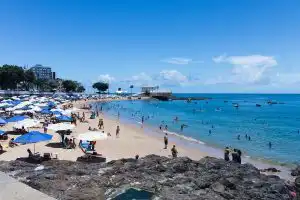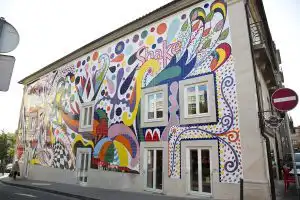

The transportation system in Porto is easy, efficient, and ideal for both tourists and locals. The city might not be large, but its hills, winding streets, and spread-out attractions make public transport a smart choice. Thanks to a well-organized network that includes metro lines, buses, trams, and local trains, you can move around the city smoothly, whether you’re heading to the historic Ribeira district or the beachside town of Matosinhos.
Public transport in Porto offers big advantages over driving or using taxis. It’s far more affordable, environmentally friendly, and much less stressful—no worrying about parking or navigating narrow old-town streets. The system is clean, reliable, and operates on a unified ticketing system called Andante, which allows easy transfers across different modes of transport. Most metro stations and buses are modern and user-friendly, with clear signage and multilingual ticket machines.
Whether you’re here for sightseeing, food, or just soaking up the culture, Porto’s transit system makes exploring the city easy and enjoyable. From the airport to the city center, from wine cellars in Gaia to the coast, the network connects it all. If you’re planning your itinerary, be sure to check out best things to do in Porto, including top attractions —and we’ll show you how to reach many of them by public transport in the sections ahead.
Key Highlights:
- Integrated system: Metro, buses, trams, funiculars, and suburban trains
- Andante card: One ticket system for all public transport
- Cost-effective: Cheaper than car rentals or taxis
- Eco-friendly: Low-emission metro and electric buses
- Tourist-friendly: Clear signs, frequent service, and accessible routes
2. Overview of Transport Modes in Porto
Porto offers a well-connected public transport system that makes exploring the city and its surroundings straightforward and enjoyable.
Metro do Porto
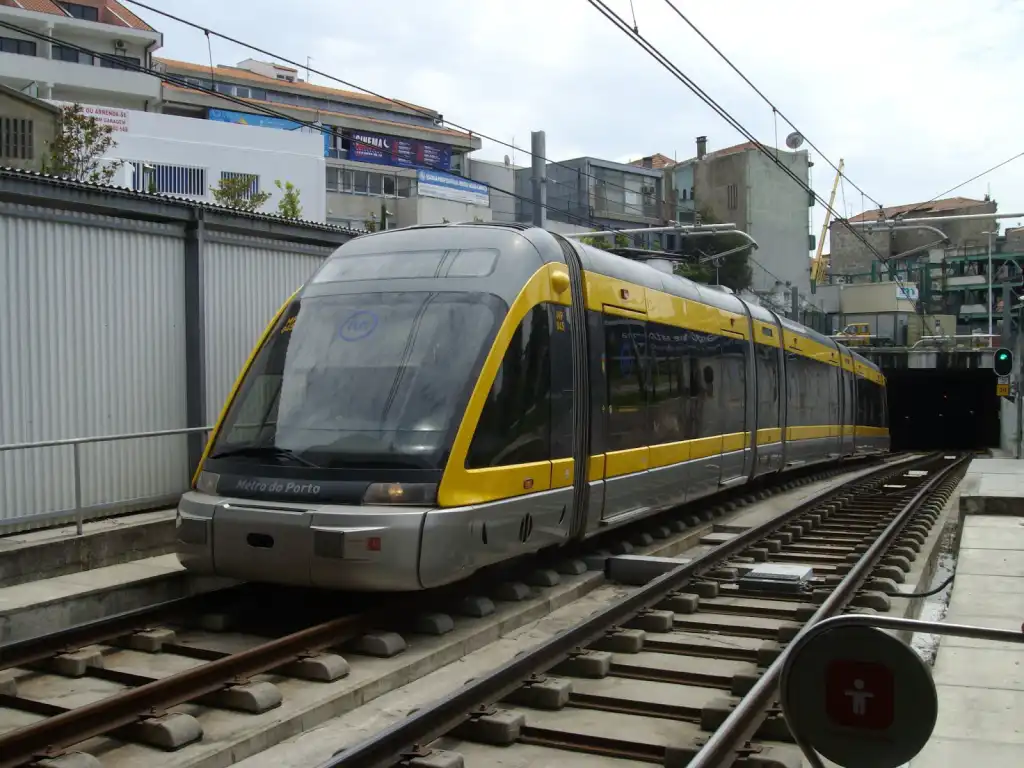
The Metro do Porto is the fastest and most efficient way to navigate the city and its suburbs. It has six lines (A to F) covering many key areas, including the airport, city center, and coastal towns. The metro is modern, clean, and reliable, making it a top choice for both locals and visitors.
- Coverage: Connects downtown Porto, the airport, the Matosinhos beach area, and suburban neighborhoods.
- Main Hub: Trindade Station, where all lines intersect for easy transfers.
- Frequency: Every 5–10 minutes during peak times, less frequent late at night.
- Operating Hours: Approximately 6:00 AM to 1:00 AM.
- Accessibility: Modern trains and stations, equipped with elevators and ramps for wheelchair access.
- Tickets: Uses the Andante card, which is valid on the metro, buses, and some trains.
This makes the metro a quick, clean, and reliable option for reaching most major attractions and neighborhoods in Porto. For those taking regional trains, stations like São Bento and Campanhã are easily accessible via metro—check out our detailed Porto Train Station Guide for more info.
Buses (STCP)
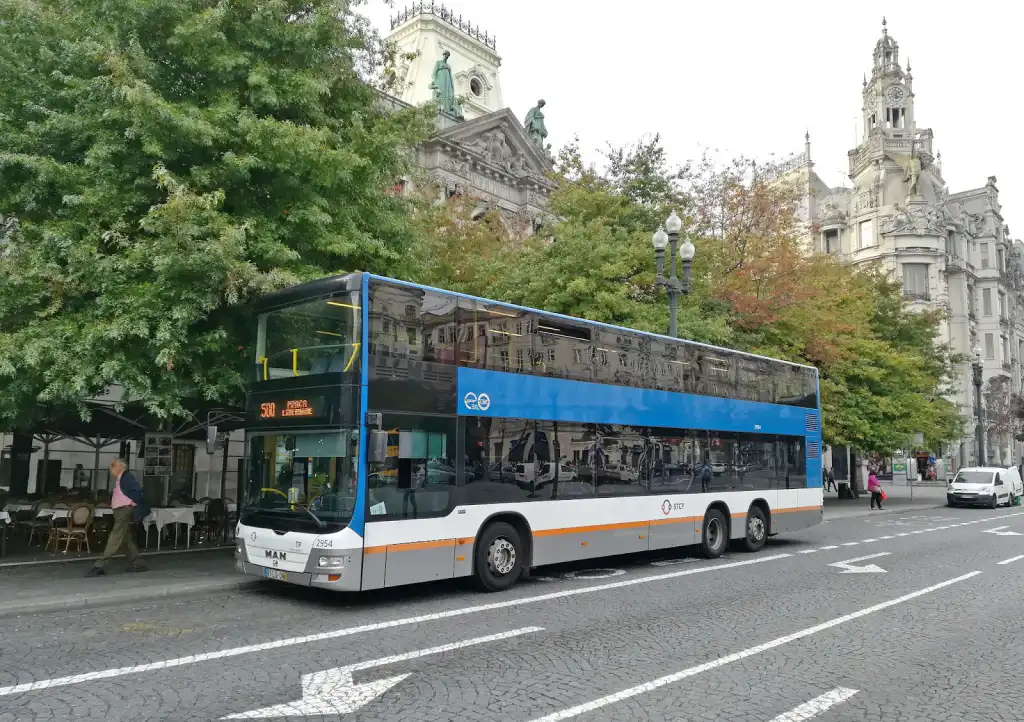
The STCP bus network complements the metro by covering areas and neighborhoods that the metro does not serve. With a wide-reaching system, buses connect residential districts and key attractions, offering daytime and night services that ensure accessibility across the city.
- Coverage: Extensive routes serving neighborhoods like Boavista, Foz do Douro, and others beyond metro reach.
- Frequency: Regular daytime service from approximately 5:30 AM to 11:00 PM.
- Night Buses: Several night routes, identified with an “M” suffix (e.g., 1M, 11M).
- Integration: Uses the Andante card, allowing seamless transfers with metro and some trains.
- Advantages: Flexible routing to access local attractions and less central areas.
- Considerations: Can be slower than the metro during heavy traffic.
Trams (Eléctricos)
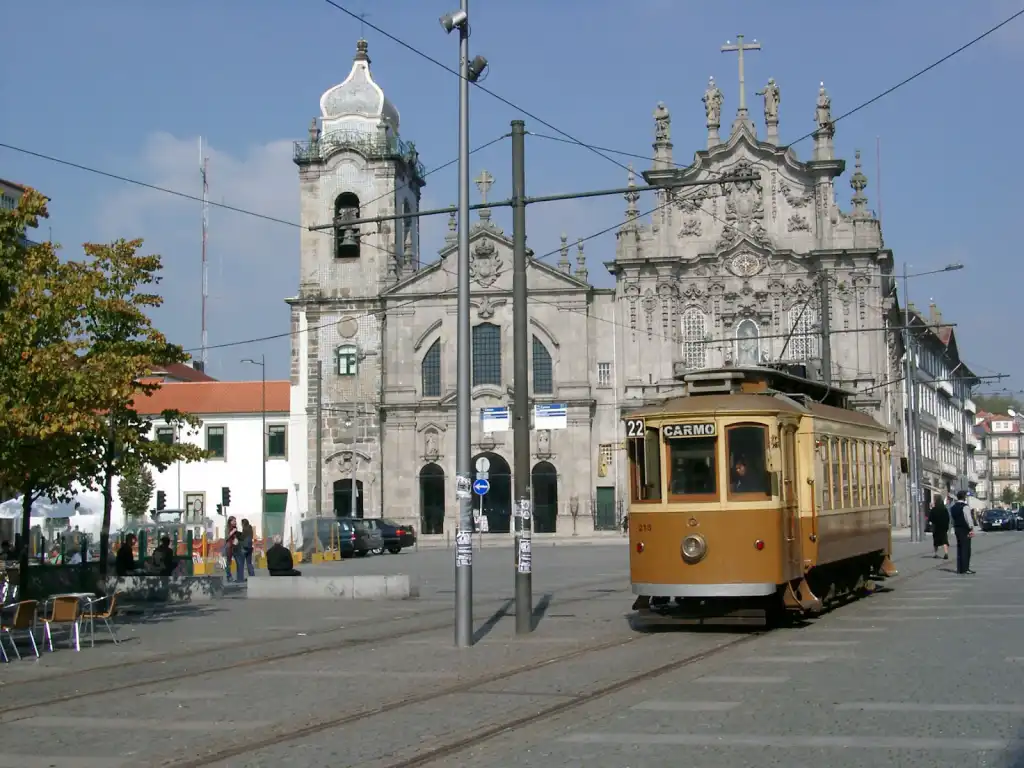
Porto’s historic trams offer a scenic and nostalgic way to explore the city, especially along the riverfront and in older neighborhoods. While not a primary mode of transport, trams provide a charming experience for tourists.
- Routes: Main lines include Line 1 (riverside), Line 18, and Line 22 (historic areas).
- Tickets: Sold onboard for around €3.50; not included in Andante card coverage.
- Experience: Slow, scenic rides are ideal for sightseeing rather than quick transport.
- Highlights: Offers unique views and photo opportunities along historic routes.
Funicular dos Guindais
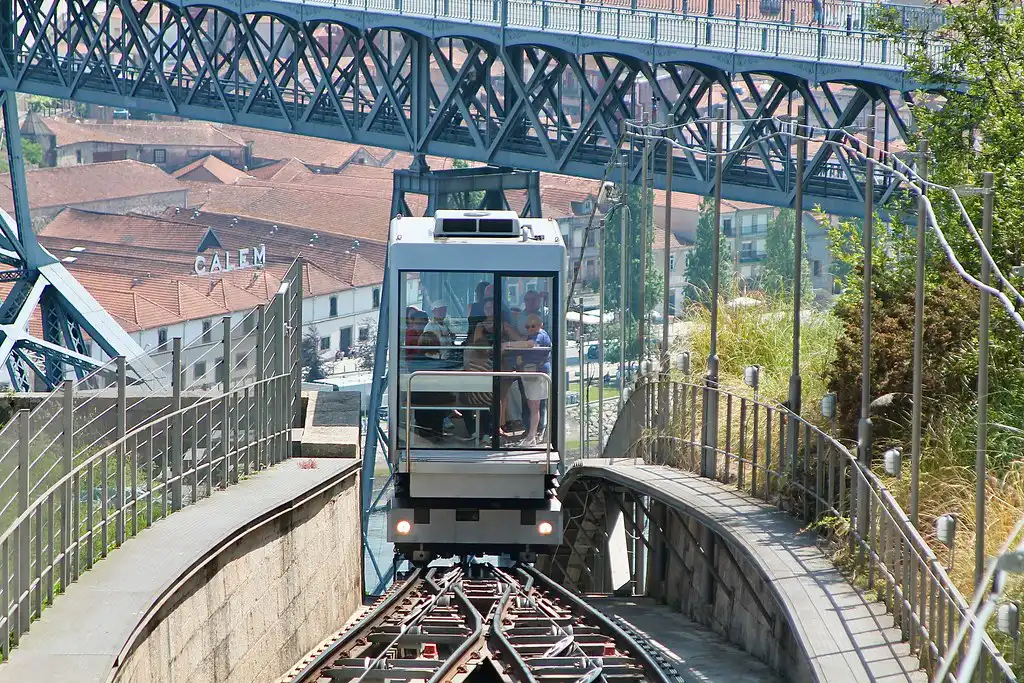
The Funicular dos Guindais connects the Ribeira riverside district with the upper Batalha neighborhood, providing an easy and scenic alternative to walking up Porto’s steep hills.
- Route: Links Ribeira (riverfront) with Batalha Square (hilltop).
- Duration: A short ride lasting just a few minutes.
- Operating Hours: Around 8:00 AM to 10:00 PM daily.
- Views: Offers beautiful sights of the Douro River and Dom Luís I Bridge.
- Purpose: Saves effort and time climbing steep terrain.
Taxis and Ride-Sharing (Uber)
For convenience and door-to-door travel, taxis and ride-sharing apps like Uber provide flexible options, especially outside regular public transport hours or when traveling with luggage.
- When to Use: Late nights, early mornings, or for direct trips not served by public transport.
- Availability: Taxis are found throughout the city; ride-sharing apps offer easy booking.
- Pricing: More expensive than public transport but sometimes cheaper than taxis.
- Pros: Convenient, comfortable, and efficient.
- Cons: Higher cost and possible wait times during busy periods.
For a more personalized and scenic way to explore the city, you can also book a Private Sightseeing Tour by Electric Tuk Tuk, which allows you to discover Porto’s historic neighborhoods comfortably with a local guide.
3. Ticketing and Fares Explained For Porto, Portugal
Andante Card System
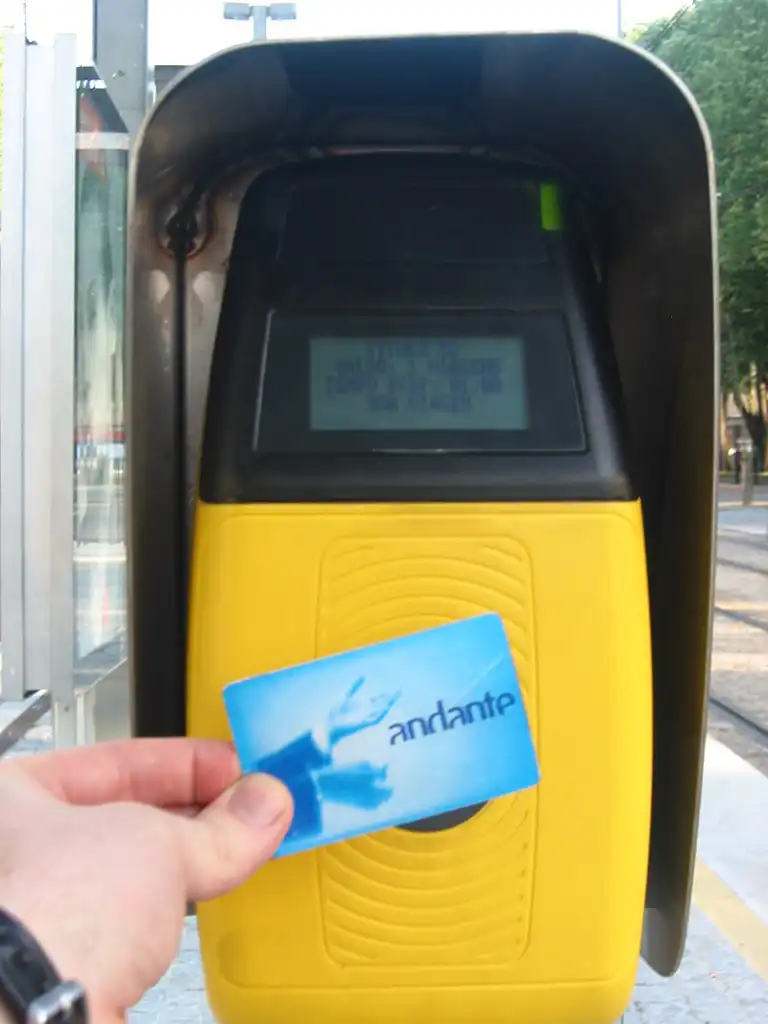
The Andante card system is the key to using Porto’s public transport smoothly and affordably. It is a rechargeable smart card accepted on metro, buses, trams, and some regional trains, making it the most convenient way to pay for travel. There are several types of Andante cards depending on your needs: the Blue Card is a personalized option valid for longer periods and multiple trips, the 24-Hour Card offers unlimited travel for one day, and the Tourist Card is designed specifically for visitors planning to explore the city’s main attractions. Buying an Andante card is easy—you can get one at metro stations, kiosks, and even at the airport.
Once you have your card, you need to validate it by touching it on the card readers at the start of each journey. You can recharge the card with credit or passes at metro stations, some bus stops, or ticket machines. Using the Andante card not only simplifies transfers between different modes of transport but also offers cost savings compared to buying single tickets each time. For a full guide on how to get and use the Andante card, check out this detailed resource on the Andante Card in Porto.
Key Points:
- Andante is a rechargeable smart card valid on the metro, buses, trams, and some trains
- Types include Blue Card (long-term), 24-Hour Card (unlimited one day), Tourist Card (for visitors)
- Available for purchase at metro stations, kiosks, and the Porto airport
- Must be validated on the card readers at journey start
- Can be recharged at stations and some bus stops
- Simplifies transfers and is often cheaper than single tickets
Fare Zones
Porto’s public transport fares are based on a zone system, meaning the price depends on how many zones you travel through. The city and surrounding metropolitan area are divided into numbered zones, such as Z2, Z3, and beyond, with fares increasing as you cross into additional zones. For example, traveling within two zones is cheaper than traveling across three or more. This system applies to metro, buses, and some regional trains using the Andante card.
Typical ticket prices vary: a single journey covering two zones might cost around €1.20 to €1.50, while traveling three or more zones increases the fare. Using the Andante card makes fare calculation easy because it automatically deducts the correct fare based on your route and zones traveled. This zoning system helps keep fares fair, especially for commuters who travel daily between suburbs and the city center.
Key Points:
- Porto is divided into fare zones (e.g., Z2, Z3, etc.)
- Fares depend on how many zones you travel through
- Typical prices start around €1.20 for two zones, and increase with more zones
- Andante card automatically calculates the fare based on zones traveled
- Applies to metro, buses, and some train
Best Ticket Options for Tourists
For visitors, the Andante Tour card is an excellent choice as it offers unlimited travel within Porto’s public transport network for 24 or 72 hours, depending on your plan. This pass allows tourists to explore freely without worrying about buying individual tickets or calculating zones. It’s especially convenient if you plan to visit multiple attractions across the city in a short time. You can purchase this card at metro stations or online before your trip.
Another useful option is the Porto Card, a tourist pass that includes free or discounted access to many museums, attractions, and tours—plus free public transport in the city. If you’re planning to explore Porto’s cultural sites alongside getting around, combining the Porto Card with the Andante Tour card can be a great value. Occasional travelers or those staying longer might find loading small-value credit onto a Blue Andante card more practical. Overall, these ticketing options make sightseeing and traveling around Porto hassle-free.
Key Points:
- Andante Tour card offers unlimited travel for 24 or 72 hours
- Available for purchase at metro stations and online
- Porto Card includes free public transport plus discounts on attractions
- Ideal for tourists visiting multiple sites and using public transport frequently
- Occasional travelers may prefer a rechargeable Blue Card with a small credit limit
- Helps avoid buying multiple single tickets
How to Navigate Porto Metro: Complete Guide to Lines, Key Stations, and Travel Tips
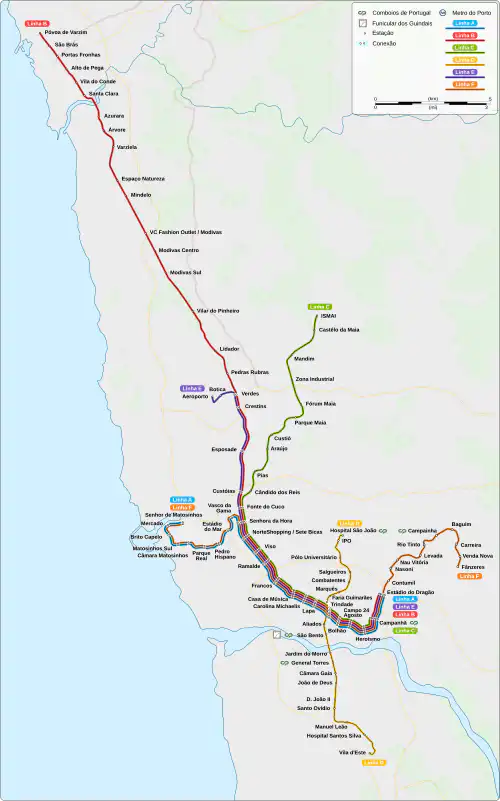
Porto’s metro system is an excellent way to explore the city and the surrounding areas quickly and comfortably. The network consists of six color-coded lines (A to F) that cover key destinations including the airport, downtown Porto, suburbs, and even coastal towns. The metro’s modern trains and frequent service make it a reliable choice whether you’re commuting, sightseeing, or arriving from the airport.
The central hub of the metro is Trindade Station, where all lines intersect, allowing for easy transfers. If you want to experience Porto’s charm, don’t miss São Bento Station, famous for its beautiful traditional azulejo tile panels that depict the city’s history. Meanwhile, Casa da Música Station provides direct access to the city’s iconic concert hall and cultural district, making it a popular stop for music lovers.
For visitors arriving by plane, the metro offers a convenient and affordable connection from Porto Airport to the city center. Lines B and E serve the airport, with trains running approximately every 20 minutes. The trip to Trindade Station usually takes about 30 minutes, avoiding the typical city traffic and high taxi fares.
Using the metro is straightforward and accessible. All stations are equipped with elevators and ramps, ensuring that wheelchair users and those with limited mobility can travel without difficulty. Safety is also a priority; stations are well-lit, monitored by CCTV cameras, and staffed at busy locations. Still, it’s wise to keep an eye on personal belongings during crowded periods.
To make your metro journeys easier, you can rely on smartphone apps like Google Maps and the local MoveMe app. Both provide up-to-date schedules, route planning, and fare information. MoveMe is especially useful for Porto, offering alerts on service changes and helping you find the quickest connections.
If you plan to take day trips beyond Porto, the metro and train network make it easy to reach nearby destinations such as Braga, the Douro Valley, and more. Check out our detailed guide on Day Trips from Porto to explore these beautiful regions without hassle.
Quick Metro Highlights:
- Six lines (A to F) cover key areas: airport, city center, suburbs, and coast
- Trindade Station: Main interchange for easy transfers
- São Bento Station: Famous for historic azulejo tiles, near the old town
- Casa da Música Station: Gateway to Porto’s cultural events
- Direct metro service from the airport, approx. 30-minute trip to the city center
- Trains every 5–10 minutes during peak hours; about every 20 minutes to/from the airport
- Fully accessible stations with elevators, ramps, and tactile guidance
- Safe and secure with cameras and staff presence
- Use Google Maps for live info and trip planning
With these tools and tips, navigating Porto’s metro will be a breeze, allowing you to focus on enjoying the city rather than worrying about transport.
Taking the Bus in Porto: Essential Guide to the STCP Network and Night Service
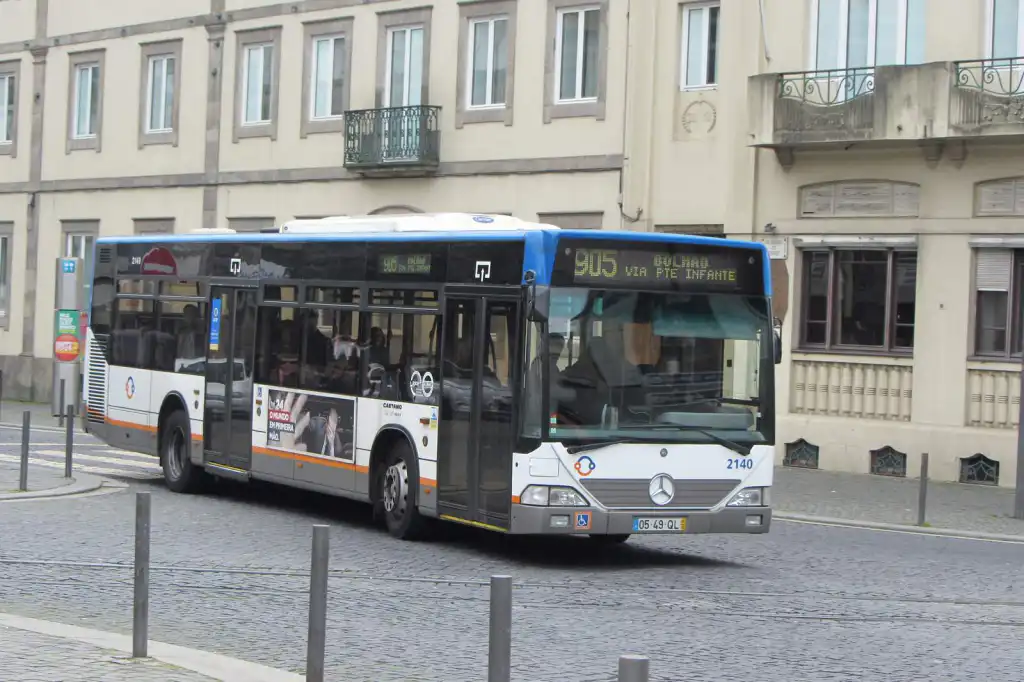
Porto’s bus network, operated by STCP (Sociedade de Transportes Colectivos do Porto), complements the metro by reaching areas that trains do not serve. While the metro is great for main routes and suburbs, buses travel through narrow streets, residential neighborhoods, and coastal districts like Foz do Douro, where metro lines aren’t available. This extensive network helps locals and tourists alike to access a wider range of destinations across the city and neighboring towns. The buses typically run from early morning until late evening, with schedules varying by route and day.
Navigating the bus system might seem complicated at first, but bus stops in Porto are well-marked with route numbers and timetables. You can find detailed maps and schedules at major bus terminals, metro stations, or on the STCP website. Importantly, the same Andante card used on the metro also works for buses, which means seamless transfers between transport modes. Porto also has a special night bus service known as the Rede da Madrugada that runs after the metro shuts down. These night buses cover key routes to ensure safe and reliable travel during late hours, making it easier to explore or return home when most public transport options have ended.
If you’re still deciding where to stay, taking the bus can be a great way to reach neighborhoods that aren’t directly served by the metro. Check out our guide to the Best Areas to Stay in Porto to find neighborhoods suited to your travel style and see how bus routes connect them with the rest of the city.
Key Points About Porto’s Bus System:
- STCP buses reach neighborhoods and areas the metro doesn’t serve, including narrow streets and coastal districts
- Bus stops are clearly marked with route numbers and schedules; maps are available at terminals and online
- An Andante card is valid for buses, allowing easy transfers and fare payment
- The Rede da Madrugada night bus network operates after metro hours with routes labeled by “M” (e.g., 1M, 11M)
- Buses generally run from early morning to late evening; night buses run approximately from midnight to 5 AM
- Real-time tracking apps like MoveMe Porto and Google Maps help you find bus locations and estimated arrival times
Using these tools and services, you can confidently navigate Porto’s bus network, whether you’re heading to parts of the city the metro can’t reach or catching a late-night ride home. The combination of metro and bus routes makes Porto’s public transport comprehensive and visitor-friendly.
Exploring Porto’s Historic Trams and Funicular dos Guindais: A Unique Travel Experience
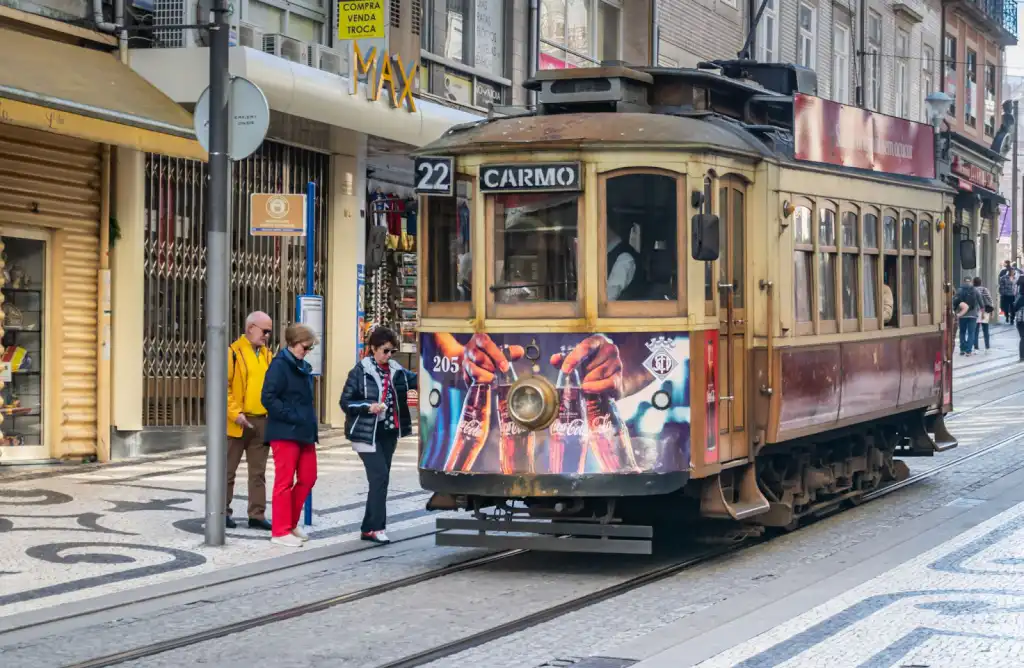
One of the most charming ways to explore Porto is by riding its vintage trams. These historic trams, known locally as “eléctricos,” have been running for over a century and offer a nostalgic glimpse into the city’s past. While modern trams serve the metro network, these vintage trams operate mainly as tourist routes along scenic parts of the city, providing a slow and leisurely way to soak in Porto’s atmosphere. They wind through narrow streets, alongside the Douro River, and past some of the city’s most iconic landmarks.
The most popular tram routes for sightseeing include Line 1, which runs along the riverfront from Infante to Passeio Alegre in Foz do Douro, offering stunning views of the river and Atlantic coast. Lines 18 and 22 circle through the historic center, passing through key neighborhoods like Ribeira and the Cathedral area. These trams are not just transport but moving pieces of history, with wooden seats and classic designs that transport you back in time.
It’s important to note that tram tickets are separate from the standard Andante card used on the metro and buses. Tickets for the historic trams must be purchased onboard or at designated kiosks and are generally more expensive, reflecting their tourist-oriented nature. Single fares vary depending on the route but usually cost a few euros per trip.
Another must-try transport experience in Porto is the Funicular dos Guindais. This funicular connects the Ribeira district by the Douro River with the higher Largo dos Guindais near the city center. It’s a quick and scenic way to climb the steep hillside while enjoying panoramic views of the riverfront. The funicular operates daily from early morning until late evening and is a convenient alternative to walking up the steep slopes or taking a longer bus route.
Riding the Funicular dos Guindais is not only practical but also offers a unique perspective on Porto’s geography and urban layout. For detailed information on ticket prices, schedules, and tips on when to ride, check out our full guide on the Funicular dos Guindais in Porto.
Key Highlights of Porto’s Historic Trams and Funicular:
- Vintage trams (“eléctricos”) offer a nostalgic sightseeing experience through historic neighborhoods
- Popular tram routes: Line 1 (riverfront to Foz do Douro), Lines 18 and 22 (historic center loops)
- Tram tickets are separate from the Andante card and usually cost a few euros per ride
- Funicular dos Guindais connects Ribeira with Largo dos Guindais, climbing steep hills with scenic views
- Funicular runs daily with frequent service, offering a quick, picturesque alternative to walking
Whether you’re a history enthusiast, a photography lover, or just want to experience Porto from a different angle, hopping on a historic tram or the funicular is a delightful way to explore the city’s charm and landscape.
Essential Transport Tips for Tourists in Porto
Getting from Porto Airport to the city center is straightforward thanks to the Metro do Porto, which offers a direct, cost-effective connection running approximately every 20 minutes. The trip takes about 30 minutes, making it a convenient option for travelers. If you have a lot of luggage or prefer a quicker private ride, taxis and ride-sharing services like Uber are available, but can be more expensive and subject to city traffic. When using public transport with luggage, the metro and many buses provide ample space and accessibility features such as elevators and ramps, but historic trams and some buses might have limited room for large bags.
Safety and fare compliance are essential for a smooth journey. Always remember to validate your Andante card before boarding, as ticket inspections are common and fines for traveling without a valid ticket can be hefty. Porto’s transport system is also highly accessible for disabled travelers, with elevators, ramps, and priority seating widely available. To navigate routes efficiently and stay updated, apps like MoveMe Porto, Moovit, and Google Maps offer real-time tracking, route planning, and notifications, making travel simpler for first-time visitors and locals alike.
Key Transport Tips for Tourists:
- Take the Metro from Porto Airport to the city center for a quick, affordable ride
- Use elevators and ramps at metro stations to manage luggage easily
- Avoid historic trams if traveling with bulky bags due to limited space
- Always validate your Andante card before boarding to avoid fines
- Stay alert to your personal belongings on crowded transport
- Porto’s transport system is accessible with support for disabled travelers
- Use apps like MoveMe, Moovit, and Google Maps for live schedules and navigation
By keeping these tips in mind, tourists can enjoy Porto’s public transport with confidence and ease, leaving more time to explore the city’s vibrant culture and attractions.
Things to Do in Porto: Explore Culture, History & Culinary Delights
Porto is a city that offers a rich tapestry of experiences — from stunning riverside views, historic architecture, and vibrant markets to world-class cuisine and lively wine culture. Whether you’re wandering the cobbled streets of Ribeira, marveling at the azulejo-tiled churches, or relaxing by the Douro River, Porto’s charm is unmistakable.
Must-See Attractions & Experiences in Porto:
- Clérigos Tower: Climb for panoramic city views.
- Livraria Lello: One of the most beautiful bookstores in the world.
- São Bento Railway Station: Famous for its azulejo tiles telling Portuguese history.
- Ribeira District: UNESCO World Heritage riverside with colorful buildings and lively cafés.
- Port Wine Cellars: Cross the river to Vila Nova de Gaia for wine tasting tours.
- Bolhão Market: The historic market offering fresh local produce and traditional goods.
Dive into Porto’s Culinary Scene with the Gastronomic Porto Food & Wine Tour

For food lovers, one of the most immersive ways to discover Porto is through the Gastronomic Porto Food & Wine Tour by Canto Cooking — a small-group, premier walking tour that combines the best of Porto’s flavors with local stories and culture.
Tour Highlights:
- Duration: 4 hours
- Price: From €69 per person
- Group Size: Max 10 guests for an intimate experience
- Languages: English and Spanish
- Meeting Point: Bolhão Market, at the corner between Manteigaria & Leitaria Quinta do Paço (look for the guide with the chef’s hat)
What to Expect:
The tour takes you through 5 unique locations, including visits to two emblematic food markets — Bolhão and Time Out — where you’ll taste over 12 distinct flavors that showcase Porto’s gastronomic heritage and innovation.
You’ll enjoy a sensory journey featuring:
- Freshly squeezed seasonal fruit juices
- Portuguese olive oil tasting paired with traditional tremoços (lupini beans)
- Classic dishes like Bolinho de Bacalhau (fried cod balls), Octopus Salad, Bifana pork sandwiches, and the legendary Francesinha sandwich
- Wine pairings including Vinho Verde, Douro wines, and a tasting of Ginja, Portugal’s famous sour cherry liqueur
- Artisanal cheeses paired with Vinho Maduro Branco white wine
- A relaxing finish at Canto Cooking’s kitchen and garden, with a traditional Pastel de Nata (Portuguese custard tart) served alongside coffee or a glass of fine Port
Additional Perks:
- Water is provided throughout the tour
- Eco-friendly Canto Cooking tote bag to take home
- Suitable for ages 12 and up, with accommodations for vegetarian and gluten-free diets if requested in advance
Whether you’re a seasoned foodie or just eager to taste authentic Porto dishes, this experience offers a delicious, educational, and unforgettable way to connect with the city’s culture and people.
Best Hotel to Stay in Porto: Canto de Luz Boutique Hotel

Canto de Luz Boutique Hotel is a beautifully restored, hidden gem located in the heart of Porto’s historic old town, offering guests a tranquil and luxurious retreat just minutes from major landmarks like the Louis I Bridge and São Bento Station. Opened in 2021 after extensive restoration, it blends elegant French design with warm Portuguese hospitality. The hotel offers a variety of accommodations, including cozy Garden Balcony Suites, spacious Duplex Garden Villas with private patios, and a luxurious two-bedroom Villa Almada with a private pool. Guests enjoy a famous homemade breakfast featuring fresh, local ingredients, a heated outdoor saltwater pool, and unique culinary experiences such as cooking classes and wine tastings highlighting the Douro Valley’s best wines. Whether you’re visiting as a couple, family, or group, Canto de Luz combines comfort, charm, and a prime location to create an unforgettable stay in Porto.
Highlights:
- Central yet peaceful location in Porto’s old town
- Range of accommodations: suites, villas, and a private pool villa
- Famous homemade breakfast with organic, local ingredients
- Heated outdoor saltwater pool and tranquil gardens
- On-site cooking school and wine tasting experiences
- Personalized local advice to enhance your Porto visit