

Porto, also known as Oporto in English, is Portugal’s second city and one of the country’s main urban centres. Located in northern Portugal, Porto is situated along the Douro River, just a few miles from where the river meets the Atlantic Ocean.
Famous worldwide for its port wine, the city is important in Portugal’s commercial, cultural, and historical landscape. From Roman times to modern-day innovation, Porto has become a city that blends tradition with modernity. For book lovers, Porto also offers a charming literary scene. Discover 5 must-visit bookshops in Porto beyond the famous Lello: Must-Visit Bookshops in Porto
History of Porto
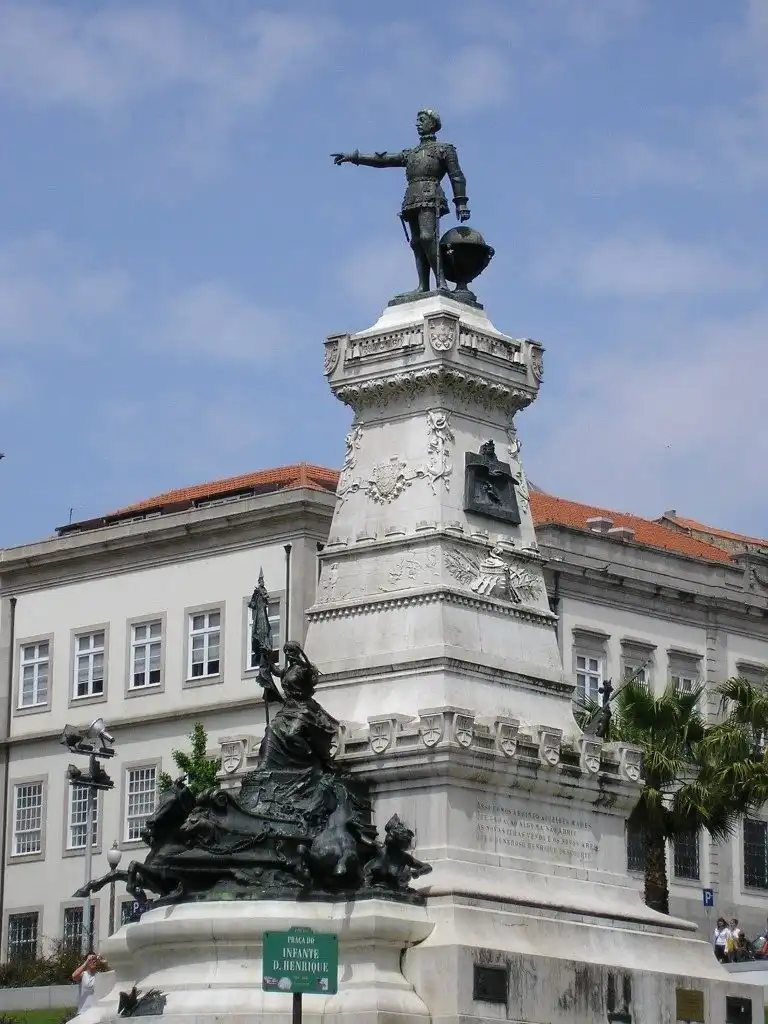
Porto, the second city in Portugal after Lisbon, has a long history that goes back centuries. The city’s name is even said to have influenced the name of the country—Portugal. Porto’s history is deeply connected to the formation of Portugal as a nation and its evolution reflects the rise and fall of various empires and powers.
Early Beginnings and Moorish Invasion
In 456 Porto was invaded by Theodoric II, King of the Visigoths, who ruled the area until 716 when it was conquered by the Moorish Muslim invaders. This lasted until 868 when Alfonso III of Asturias recaptured Porto and it became part of the kingdom that would eventually become Portugal.
The Birth of Portugal as a Nation
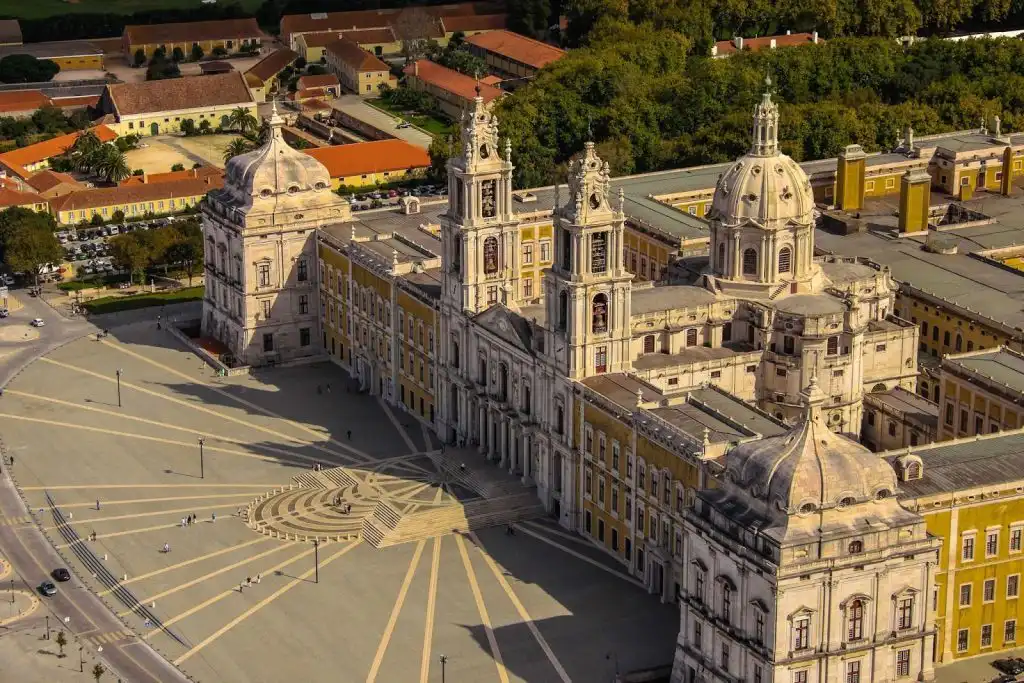
The key moment in Porto’s history was in 1096 when King Alfonso VI of Castile gave the County of Portugal to his daughter Teresa of León and her husband, Henry of Burgundy. Porto was the capital of this county. The city’s importance grew when Alfonso Enríquez, son of Henry and Teresa, defeated the King of León in 1139 and laid the foundations for Portugal’s independence.
Five years later, in 1143, Alfonso Enríquez was officially recognised as the first King of Portugal. This was the start of Portugal as a separate entity.
The Rise of Porto and the Age of Discoveries
Porto continued to be important in Portugal’s history, especially in the 14th century, when it supported King John I of Portugal. In 1387 John I married Philippa of Lancaster, and this created a bond between Portugal and England that led to the signing of the Treaty of Windsor, the oldest military alliance in the world.
John I’s son, Prince Henry the Navigator, would go on to lead Portugal into the Age of Discoveries. The city’s shipyards built the ships used by Henry to explore the African coast, cementing Porto’s place in history.
Porto’s citizens were nicknamed “tripeiros” (literally “tripe eaters”) in the early 15th century. The city’s sailors were given the best cuts of meat for their voyages, and the residents were left with the off-cuts, which they turned into a local dish called tripa à moda do Porto.
Porto Under Spanish Rule
In the late 16th century, Porto’s history took a dramatic turn as Portugal was united with Spain from 1580 to 1640. Despite this union, Porto remained resistant to Spanish rule, and in 1640, the city played a pivotal role in the revolution that led to Portugal’s independence.
Under Habsburg rule, Porto grew and eventually reached its Golden Age in the 18th century. The city’s wine industry, especially its famous port wine, was the driving force behind the economy. But tensions arose when Sebastião José de Carvalho e Melo, the Marquis of Pombal, tried to establish a British monopoly on Porto’s wines, and in 1756 there was a rebellion.
Napoleonic Wars and Porto’s Resilience
The early 19th century brought further challenges as Porto was occupied by Spanish forces during the Napoleonic Wars. The city was briefly recaptured by French forces in 1809, but it was soon liberated. Despite these setbacks, Porto’s citizens continued to demonstrate resilience and perseverance.
A City of Liberalism and Progress
The 19th century saw Porto become a city of liberalism and progress. In 1820 the city was the birthplace of the Liberal Revolution which demanded a constitutional monarchy. Porto’s resistance to absolutism led to the Siege of Porto in 1832, but the city emerged victorious, and constitutional rule was secured in Portugal.
As the 19th century progressed Porto industrialised and key infrastructure was built, the Leixões seaport in 1890 being one of the most important.
Twentieth-Century Porto: A Changing Landscape
In the 20th century, Porto experienced both political turmoil and economic transformation. During the Salazar dictatorship, the city saw improvements in infrastructure, including the construction of the Arrábida Bridge in 1963. By the early 21st century, Porto had become a cultural hub, earning the title of European Capital of Culture in 2001, alongside Rotterdam. This recognition led to the construction of Casa da Música, a striking symbol of the city’s modern cultural identity.
Geography and Climate
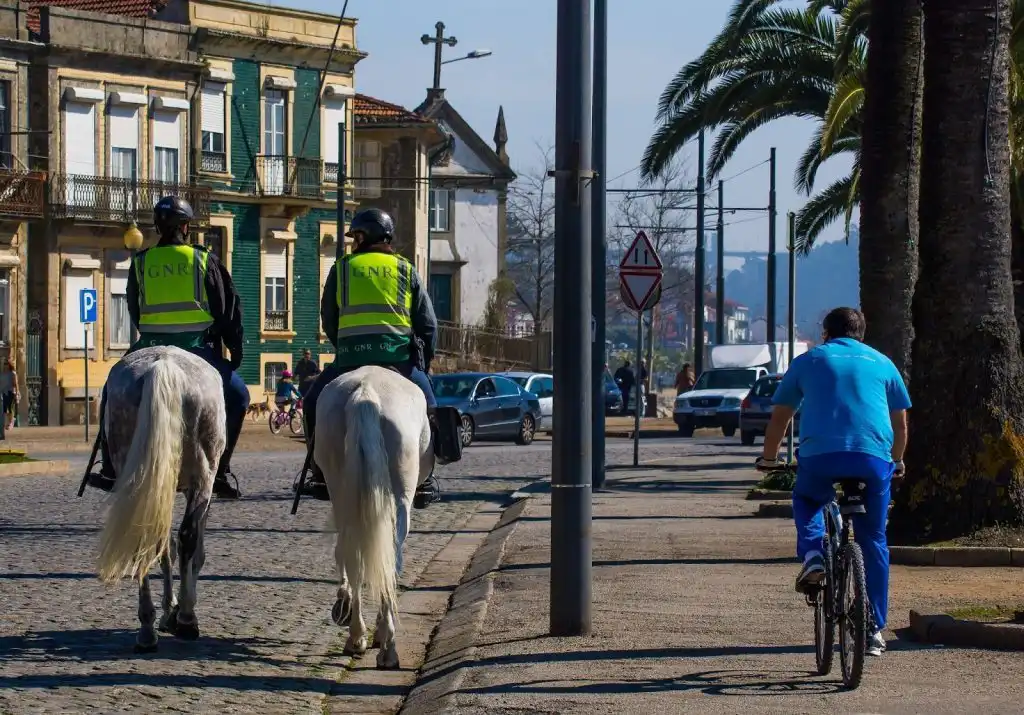
Porto is located in the north of Portugal with its coordinates along the Douro River. The city’s proximity to the Atlantic Ocean gives it a temperate maritime climate with mild wet winters and warm dry summers. The climate is perfect for the growth of various agricultural products, especially the grapes used in the production of Port wine for which the region is famous. The nearby Douro Valley with its steep vineyards is one of the oldest demarcated wine regions in the world. For tips on the best time to visit Porto, including top seasons and local events, check out this guide: Best Time to Visit Porto: Top Seasons, Weather & Events.
The city itself is built on the steep hillsides of the Douro River, which offers stunning views of the river and the surrounding landscapes. Porto’s location has made it an important port city throughout its history with trade routes connecting the Atlantic Ocean to inland Portugal and Spain. The narrow coastal plain to the west of Porto gradually ascends into the rolling hills and plateaus that characterise much of the surrounding region.
Population and Urban Development
Porto has a population of over 230,000 within the city limits. The metropolitan area which includes several surrounding towns and suburbs has a population of over 1.6 million, making it one of the largest urban centres in Portugal. As a port and industrial hub Porto has always been an important economic and cultural centre in the north of the country.The city’s growth and urban development have followed its history. In the past century Porto was modernised. Infrastructure improvements such as bridges, metro and public transport expansion have made the city more accessible. Large-scale residential and commercial developments in the second half of the 20th century solved the overcrowding and congestion of previous generations.
Iconic Landmarks and Architecture
Porto’s architectural heritage reflects its long and diverse history. Between Porto’s dramatic medieval architecture and its florid Baroque beauties lies a hidden narrative, detailing the cultural odyssey of a city where a checkered past has birthed a rich present.
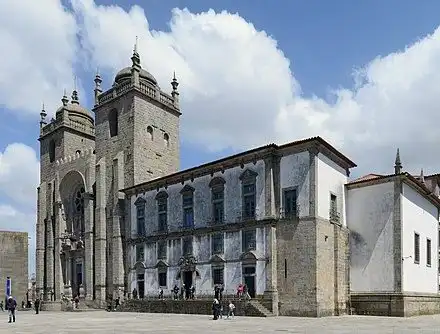
The Porto Cathedral (Sé do Porto) is one of the most iconic landmarks in the city. Located on a hill overlooking the Douro River, the cathedral’s history dates back to the 12th century. A curious look at this structure reveals an architectural fusion feast: Romanesque arches, Gothic spires, and Baroque ornamentation blend harmoniously, crafting a visually stunning cultural retrospective. In the Cathedral’s 14th-century cloisters, Gothic arches blend with Romanesque echoes, mirroring the city’s layered past.
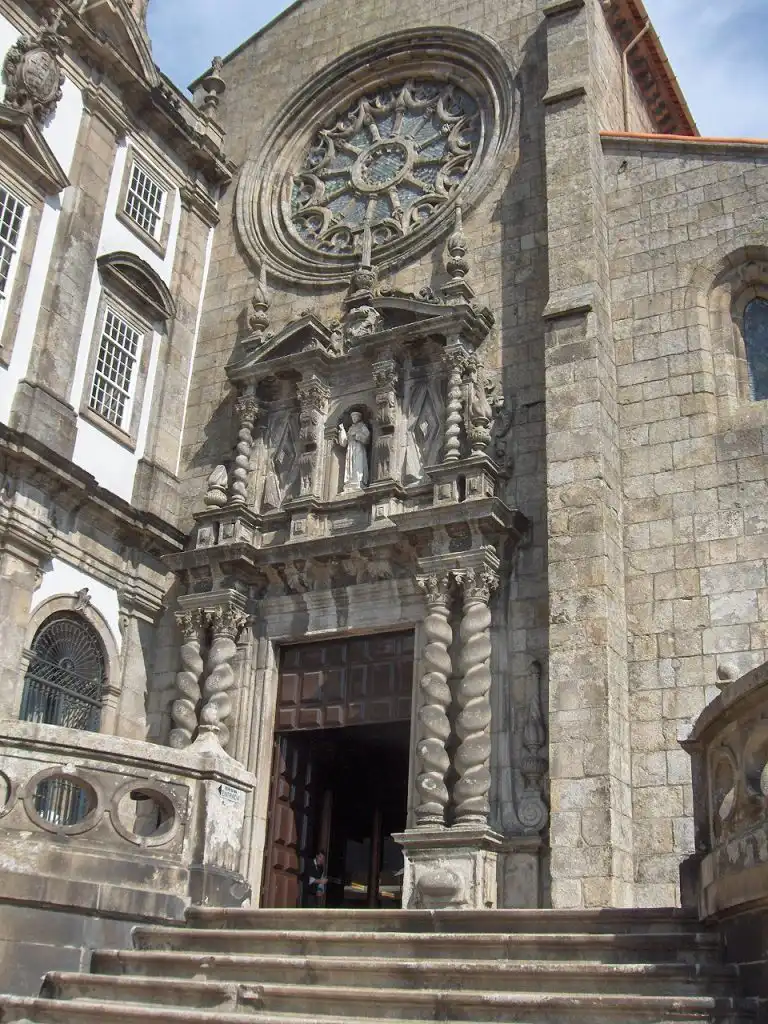
Despite the passing of centuries, the Church of São Francisco remains an impressive sight, its Gothic grandeur from the early 15th century still breathtaking today. As you step inside the lavishness of the Portuguese Baroque style surrounds you, its secrets waiting to be uncovered through the delicate gilded carvings that adorn every surface. Above the rooftops, the 75-meter granite Torre dos Clérigos towers over the city, an instantly recognisable landmark. Above the Porto landscape an 18th century building unfurls a visual feast, its elevated position offers views of the city that cannot be forgotten.
Porto’s oldest neighborhoods boast a treasured gem – the Ribeira district, officially recognized as a UNESCO World Heritage site. Its narrow, winding streets are lined with colorful buildings, many of which are adorned with traditional Portuguese tiles known as azulejos. The charm of this district lies in its lively ambiance, where you can sit back and enjoy a cup of coffee or a delicious meal at one of the many riverside eateries, with the majestic Douro River and the iconic Dom Luís I Bridge serving as a picturesque backdrop.
Porto’s Wine Legacy: The Birthplace of Port Wine
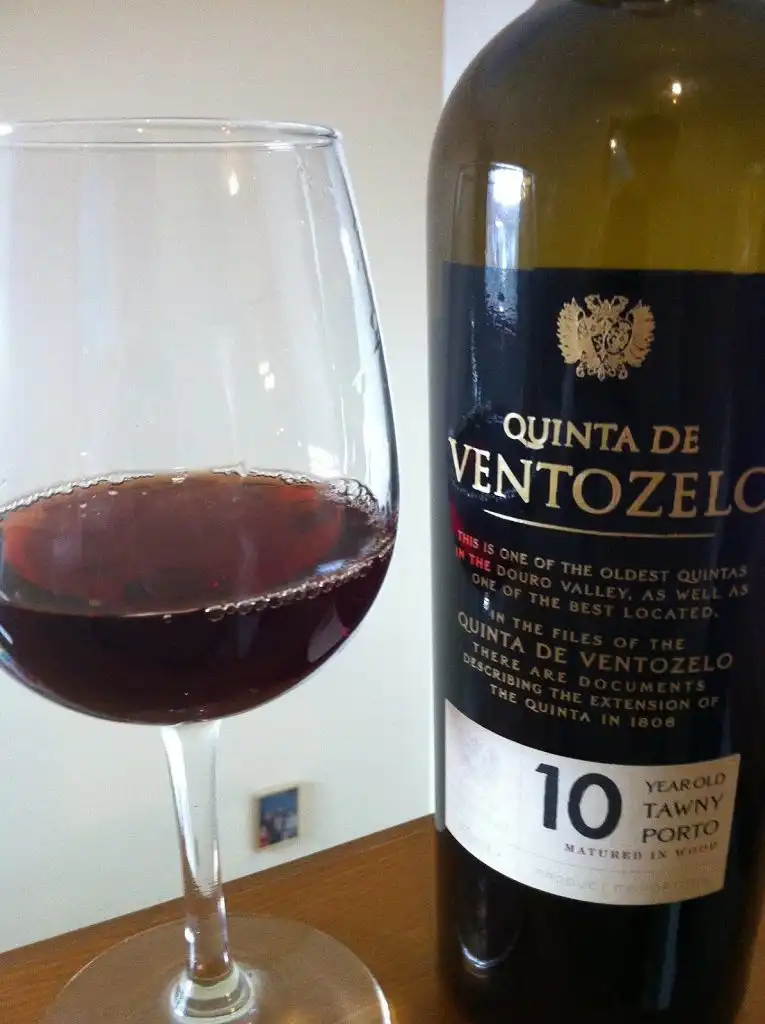
No discussion of Porto would be complete without mentioning its legendary wine, port. Porto is globally renowned as the birthplace of this fortified wine, which has been produced in the Douro Valley since the 17th century. The wine trade began in earnest in 1678 and grew exponentially over the following centuries, particularly after the signing of the Methuen Treaty in 1703, which facilitated the export of Portuguese wine to England.
Port wine is produced exclusively in the Douro Valley, but it is blended and stored in Porto’s cellars. On the south bank of the Douro River, in the town of Vila Nova de Gaia, massive warehouses house the barrels of port that will be exported worldwide. Visitors to Porto can tour these cellars, learning about the history and production of this iconic Portuguese product.
The city celebrates its wine heritage every year during the São João Festival, a lively celebration that combines traditional music, food, and, of course, plenty of port wine
Porto Today: A City of Growth, Innovation, and Culture
The Present-Day City
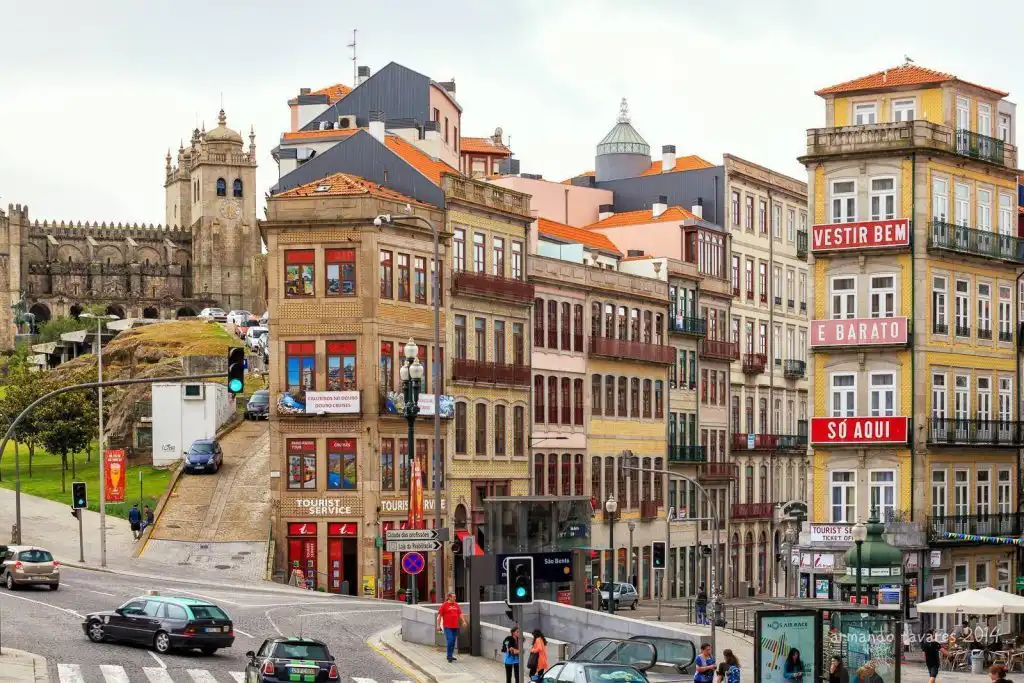
Porto with its mix of historic charm and modern development lies mainly on the north bank of the Douro River. This area has grown out from the Ribeira district, the city’s oldest and most picturesque riverside neighbourhood. Known for its narrow cobblestone streets and colourful buildings Ribeira offers visitors a glimpse into Porto’s past while remaining a vibrant hub of activity. On the south bank of the Douro the red-tiled warehouses of Vila Nova de Gaia store and blend the region’s famous port wine, an integral part of the city’s identity.
Beyond the city centre Porto’s suburbs include Matosinhos, Leça da Palmeira and Aguas Santas to the north and Gondomar and Oliveira do Douro to the south east. The landscape quickly changes from the narrow coastal plain to a gently undulating plateau inland. Porto has a mild and moist climate making it perfect for agriculture. The fertile soils support the cultivation of winter and summer cereals, vegetables and tree crops like cork oak and olive trees. The timber industry and the production of vinho verde, a popular sparkling wine, also contribute to the local economy.
Porto: A City of Wine and Industry
Porto is famous for its port wine, a fortified wine often enjoyed after meals. The port wine trade began in 1678 and was cemented by the Methuen Treaty in 1703 between England and Portugal. Port wine is defined by an act of 1906 as a wine produced in the Douro district with an alcohol content above 16.5%. Porto’s role as the gateway to this beloved drink has shaped much of the city’s identity and economy. Along with wine production Porto’s manufacturing, fishing industries and tourism are the main drivers of the economy. The nearby Port of Leixões located in Matosinhos just north of the city is a deepwater harbour that allows the export of goods from the region.
Modern Infrastructure and Development
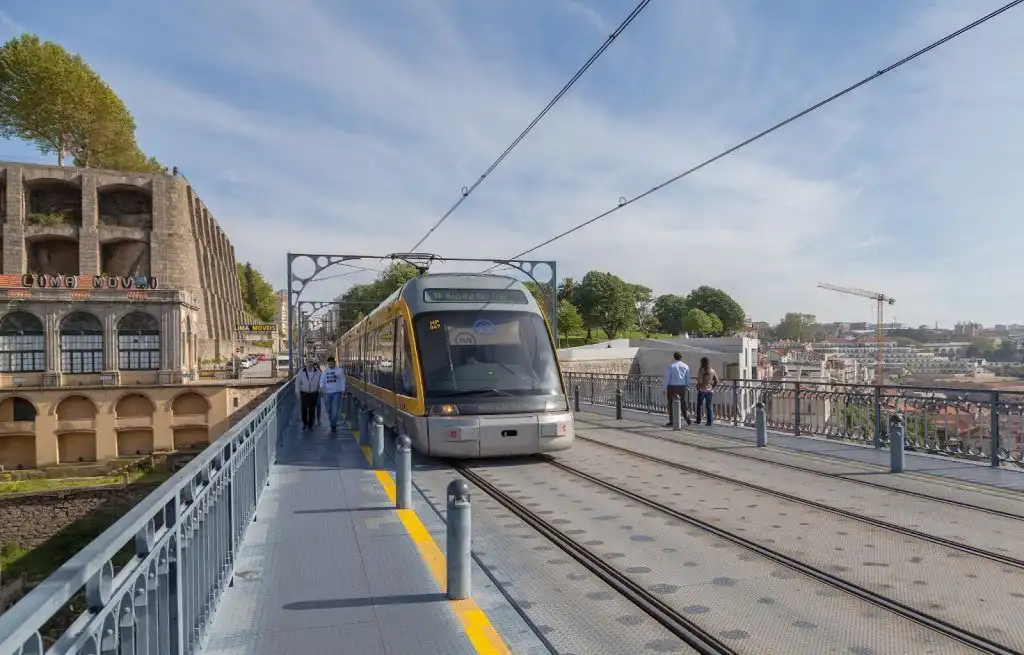
Porto is a densely populated city and like many growing cities, has had overcrowding as an issue. However large scale urban planning and residential development over the past few decades have improved living conditions. The city is well connected to the rest of Portugal including Lisbon via highway and high speed rail. Porto also has an international airport and several key bridges that cross the Douro River including the iconic Dom Luís I Bridge. Built between 1881 and 1885 this iron bridge was designed by a disciple of the famous French engineer Gustave Eiffel. Another notable bridge is the Maria Pia Bridge (1876-77) designed by Eiffel himself.
The city’s public transport system is growing with a municipal subway system inaugurated in 2002. New lines have been added to improve connectivity within the city and beyond. The Crestuma hydroelectric project located 30km from Porto on the Douro River is another modern development in the region.
A Hub for Culture and Learning
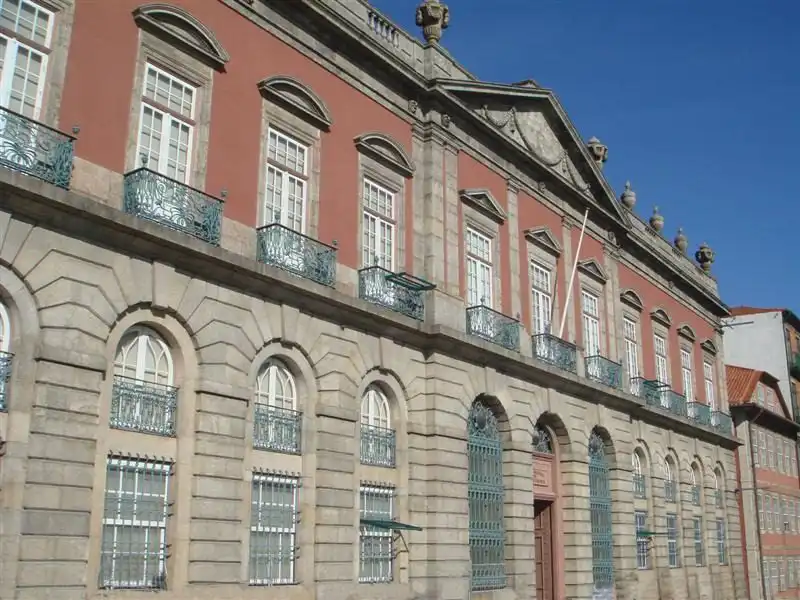
In Porto, vibrant street life seamlessly blends with historic industries, while scholarly pursuits and artistic expressions thrive side by side. This city is awash in cultural jewels, including a university that’s been shaping minds for over a century,-plus a cache of district archives and thought-provoking museums that never fail to impress. Explorers of the past will adore the Soares dos Reis National Museum, filled to the brim with a kaleidoscope of relics: from ancient stone tools to sculptures that transport you to another era, as well as vibrant paintings and ancient currency. Porto’s got a treat in store for art enthusiasts – a dynamic museum stacked with cutting-edge works, lodged in an Art Deco edifice that boasts its designs. Porto’s thriving cultural scene is evident in its majestic opera house and esteemed fine-arts school, accompanied by a symphony orchestra that regularly mesmerizes audiences.
The city’s cultural landscape shifted gears in 2005 with the grand opening of a concert hall engineered by the brilliant mind of Rem Koolhaas, a Dutch architect making waves globally. Two of the city’s most striking features are the visually stunning county hall and the brilliant university hospital, joined by a football stadium that’s been buzzing with excitement since its debut.
Economy
Historically, Lisbon’s economy was anchored in the fishing industry. However, since the 1970s, various industries have relocated from the Baixa to other areas within the metropolitan region. Following the 1975 revolution, heavy industries in the city were nationalized. Come the 1980s, many industries crossed a threshold: from public ownership to private hands, with tech and pharma empires rising to dominance. From the 1990s onward, Lisbon underwent a significant transformation, evolving from a manufacturing-based economy to one powered primarily by the service sector.
Manufacturing
Traditional heavy industries such as shipbuilding, steel and oil refining have declined but many factories have been updated to produce automotive parts, chemicals, electronics, tobacco, paper and food products. In the 1990s foreign owned plants for automotive assembly and food production started to open in newly created industrial areas around the metropolitan region. Industries like cork and textiles have maintained their edge through technology and innovation.
Finance and Other Services
The service sector is now the biggest contributor to Lisbon’s economy employing over 75% of the city’s workforce. City planners have relied on tourism and commerce to drive modernization and tourism revenue helps to balance the national trade deficit. Big events like the 1998 World Expo brought new life to Lisbon and a major facelift to the waterfront areas. Former industrial zones like slaughterhouses and oil refineries have been transformed into museums, health centers, hotels and new residential areas. Lisbon’s mild climate, historical sites, beaches and castles make it a popular tourist destination with cruise ships stopping at its ports. Since Portugal joined the European Economic Community in 1986 (later the European Union) the presence of foreign financial institutions and corporations in Lisbon has grown. Large retail stores and department outlets have also expanded in the city center and surrounding areas.
Famous Places to Visit in Porto
Porto is a city full of history, culture and landmarks. From its riverside to historic buildings and vibrant neighborhoods there’s no shortage of must see attractions in this beautiful city. Here are some of the most famous places to visit::
Cedofeita Street
A blend of traditional shops and European brands, Cedofeita Street is perfect for shopping and a leisurely stroll. Enjoy the quieter atmosphere and stop by cafés or the craft beer bar Catraio at number 256. For a great stay nearby, check out Canto de Luz, a charming hotel ideal for tourists.
Livraria Lello
One of the most beautiful bookstores in the world, Livraria Lello is a must-see. With its stunning architecture and grand staircase, it’s a magical stop for book lovers and anyone who appreciates beauty.
Ribeira District
Porto’s historic Ribeira District is known for its cobblestone streets, colorful buildings, and lively riverside cafés. This UNESCO World Heritage site offers plenty of photo opportunities and places to relax by the Douro River.
São Bento Railway Station
Standing tall in Lisbon, São Bento Railway Station beckons travelers to explore its historic charm. Known for its gorgeous blue-and-white tile murals, São Bento Railway Station is not just a transit hub, but a work of art that tells the history of Portugal through stunning visuals.
Porto Cathedral (Sé do Porto)
Dating back to the 12th century, Porto Cathedral offers panoramic views of the city and is an excellent example of Romanesque architecture.
Palácio da Bolsa (Stock Exchange Palace)
The Palácio da Bolsa is an impressive 19th-century building known for its neoclassical design. Don’t miss the grand Arabian Room, an intricate and ornate space inspired by Moorish architecture.
Foz do Douro
Located where the Douro River meets the Atlantic Ocean, Foz do Douro is a beautiful area for a peaceful walk along the beach or a sunset view over the water. It’s perfect for a relaxing day away from the hustle and bustle.
Casa da Música
Within the vibrant Casa da Música lies a world of aural sensations, built to captivate and inspire. Imagine attending a Grieg piano concerto one night and a thumping electronic set the next – Casa da Música makes it possible, delivering a sonic adventure that spans the musical spectrum. What strikes you first about this building is the way its architecture seems to defy convention.
Jardins do Palácio de Cristal
Step into Lisbon’s cultural crown jewel, the stunning Crystal Palace gardens. Winding your way through Porto, the Jardins do Palácio de Cristal gardens suddenly open up to showcase the city’s stunning landscape, with the Douro River sparkling in the distance. For a dose of fresh air and tranquility, grab a sandwich and head to this picturesque spot, where nature’s beauty will be your only distraction.
Church of São Francisco
Standing majestically in the heart of the city, the Church of São Francisco beckons visitors to come and experience its centuries-old history, its grandeur and beauty waiting to be unearthed. As you step into the Church of São Francisco, the majestic Gothic façade gives way to an opulent Baroque interior, a visual feast that will leave you awestruck. . Don’t miss the extraordinary wooden altarpieces and intricate carvings within.
Porto’s Population Growth and Challenges
Porto’s population has changed a lot over the last century. In 2001 the city had 263,131 inhabitants but by 2011 this number had dropped to 237,591 due to urbanization, economic changes and migration patterns. However the Porto metropolitan area which includes the surrounding suburbs is growing with over 1.6 million inhabitants.
For a city as lively as Porto, the crunch of urbanization is bitter medicine – pushing up housing costs and putting its famous hospitality into sharp relief. In response to a Growing Pains-like claustrophobia urban revitalization efforts focused on getting rid of the headache of overcrowding, upgrading worn infrastructure and giving historical gems some TLC. A trio of progress – vast residential development, vibrant commercial hubs and snappy public transportation – has put the city into high gear and turned it into a desirable, eco-friendly destination.
Best Hotel to Stay in Porto
Canto de Luz Boutique Hotel is a hidden gem in Porto, offering a blend of French hospitality and elegant design. After five years of restoration, this boutique hotel opened in 2021 with a focus on comfort and luxury. The hotel features Villa Almada, a two-bedroom villa with a private pool, and recently introduced Duplex Garden Villas, one-bedroom mezzanine villas nestled in tranquil gardens. With a heated outdoor saltwater pool, homemade organic breakfasts, and proximity to Porto’s main sights, it provides a serene and relaxing environment. The hotel’s goal is to offer an unforgettable stay, combining luxury, local expertise, and unforgettable memories.
Key Features:
- Reimagined in 2021 after a five-year restoration.
- Villa Almada: A two-bedroom villa with a private pool.
- Duplex Garden Villas: Luxury one-bedroom villas with private outdoor patios.
- Heated outdoor saltwater pool to unwind after a day of sightseeing.
- Homemade, organic breakfast made with fresh ingredients from Porto’s markets.
- Located in Porto’s old town, within walking distance of key sights.
- Maison Suites with city or garden views.
- Studio Apartments with kitchen and washer/dryer.
- Luxury Villa Almada with a private pool.
- Exclusive use options for groups.
- Featured in renowned publications like Lonely Planet and The Telegraph.
- Offers a unique experience, emphasizing local expertise and French hospitality.
Experience luxury, comfort, and French flair in the heart of Porto. Whether you’re looking for a relaxing retreat or an unforgettable getaway, Canto de Luz Boutique Hotel offers the perfect setting. Don’t miss out on the chance to stay at Porto’s hidden gem – book your stay now and create lasting memories.
Frequently Asked Questions (FAQ)
1. What is the history of Porto?
Porto, also known as Oporto, has a rich history that dates back to Roman times. The city’s strategic location along the Douro River played a key role in its development. In the 12th century, Porto became an important center for trade, particularly known for its port wine production. Over the centuries, the city has evolved into a hub of culture, commerce, and tourism.
2. What is Porto known for?
Porto is renowned for its world-famous port wine, beautiful riverside landscapes, and historic architecture. The city is home to a UNESCO World Heritage site, the historic center of Porto, featuring landmarks like the Dom Luís I Bridge, Livraria Lello, and the São Bento Railway Station.
3. What is the population of Porto?
As of the most recent estimates, Porto has a population of approximately 240,000 people. The numbers are striking: a staggering 1.7 million people reside in this sprawling metropolitan area and its nearby satellite communities.
4. What is the climate like in Porto?
Porto enjoys a Mediterranean climate with mild, rainy winters and warm, dry summers. Average temperatures range from 9°C (48°F) in winter to 25°C (77°F) in summer. Due to its coastal location, Porto experiences frequent cool winds, especially during the summer months.
5. What are the best times to visit Porto?
The best times to visit Porto are during the spring (April to June) and fall (September to October). These months offer pleasant weather, fewer crowds, and a chance to experience the city’s vibrant cultural events. Summer can be hot and crowded, while winter is generally mild but can be rainy.
6. How do I get to Porto?
Porto is well-connected by air, with Francisco Sá Carneiro Airport serving international and domestic flights. The city is also accessible by train, bus, and car from other major Portuguese cities like Lisbon. The airport is about 11 kilometers (7 miles) from the city center.
7. What are some must-visit attractions in Porto?
Some of Porto’s top attractions include:
- Ribeira District: A UNESCO World Heritage site along the Douro River
- Livraria Lello: One of the most beautiful bookstores in the world
- Dom Luís I Bridge: A stunning double-deck iron bridge
- São Bento Railway Station: Famous for its blue and white tile murals
- Port Wine Cellars: Learn about the history of port wine and enjoy tastings
8. Is Porto a safe city for tourists?
Yes, Porto is considered a very safe city for tourists. Smart city dwellers know that intuition is their best friend. So, when the sun dips below the horizon, choose bustling streets over dimly lit corners, and remember that safety always comes first. Safe and sound, that’s Porto in a nutshell – a city where its gracious inhabitants make you feel like you’re among old friends.
9. What is the local cuisine in Porto?
Porto is famous for its traditional dishes such as Francesinha (a hearty sandwich), bacalhau (salted cod), and tripas à moda do Porto (a tripe dish). Don’t forget to try Pastéis de Nata, a beloved Portuguese custard tart, and enjoy a glass of port wine.
10. How can I explore Porto’s port wine?
Porto is the birthplace of port wine, and visiting the port wine cellars in the Vila Nova de Gaia district is a must. Step into the vibrant world of wine and discover the passion that drives winemakers to create exceptional wines. Guided tours, exclusive tastings, and rare glimpses into the production process await at many premier wineries. Popular cellars include Sandeman, Graham’s, and Taylor’s.
11. Can I easily get around Porto?
Yes, Porto has an efficient public transport system, including buses, trams, and a metro network. The city center is also very walkable, with many attractions within walking distance.
12. What languages are spoken in Porto?
The official language in Porto is Portuguese. However, many people in the tourism and hospitality sectors speak English, especially in tourist areas, so communication is generally not a problem for English-speaking visitors.
13. How far is Porto from Lisbon?
Porto is approximately 313 kilometers (194 miles) north of Lisbon. It takes around 2.5 to 3 hours to travel by car or train, making it an easy and popular day trip or weekend getaway.
14. What are Porto’s public holidays and festivals?
Porto celebrates a variety of cultural events and festivals throughout the year, including:
- São João Festival (June 23): A lively celebration with street parties, fireworks, and traditional music
- Porto Wine Festival (September): A celebration of the city’s famous wine
- Christmas Markets (December): Featuring local crafts, food, and festive entertainment



.jpg)
#/media/File:Porto.SanFrancisco02.jpg)

