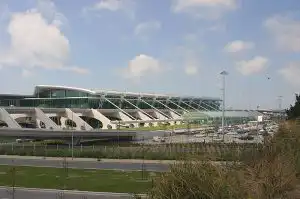



Planning a trip from London to Porto? Whether it’s a weekend escape or the start of a European adventure, this vibrant Portuguese city is closer than you think. With its charming riverside neighborhoods, famous port wine cellars, and colourful tiled architecture, Porto is an unforgettable destination that blends history, culture, and cuisine. Thankfully, getting there from London is simple, with a variety of travel options—from direct flights to scenic train routes and road trips—catering to every budget and travel style.
Before choosing your route, it’s worth considering when to visit. Porto offers something special year-round, but weather, festivals, and tourist seasons can all impact your experience. To help plan the perfect time to go, check out this helpful guide: Best Time to Visit Porto – Top Seasons, Weather & Events Guide. In this article, we’ll cover all the best ways to travel from London to Porto, including costs, journey times, and insider tips to make your journey smooth and enjoyable.
1. Flights from London to Porto

Flying is the quickest and most convenient way to travel from London to Porto. With multiple London airports offering direct flights and a wide choice of airlines, travelers can easily find options to fit their budget and schedule. This section breaks down everything you need to know about flights—from where to fly, how much it costs, getting to and from airports, and the pros and cons of flying—so you can make an informed decision.
1.1 Direct Flights
Several London airports provide direct flights to Porto, offering plenty of flexibility for travelers based on location and airline preference:
- Heathrow (LHR)
- Gatwick (LGW)
- Stansted (STN)
- Luton (LTN)
The average flight duration is approximately 2 hours and 20 minutes, making it the fastest travel option.
Popular airlines flying direct on this route include:
- Ryanair
- easyJet
- British Airways
- TAP Air Portugal
Flight availability is high, with multiple daily departures, especially during peak seasons like summer and holidays. This flexibility allows you to choose flights that fit your itinerary perfectly.
1.2 Cost Breakdown
Flight costs vary depending on the airline, time of booking, and travel season.
- Budget Airlines: Ryanair and easyJet offer some of the lowest fares, with prices starting around £20 to £40 one-way when booked early. Keep in mind, low-cost tickets often exclude extras like checked baggage, priority boarding, and seat selection.
- Full-Service Airlines: British Airways and TAP Air Portugal provide a more comfortable and inclusive experience, with average fares between £60 and £150 one-way. These typically include checked luggage, onboard meals, and more spacious seating.
Costs tend to increase during:
- Summer (June to August)
- Christmas and New Year holidays
- Major Porto festivals and events
Tips to find cheaper flights:
- Fly mid-week (Tuesday or Wednesday) instead of weekends.
- Use incognito/private browsing to avoid price hikes from repeated searches.
- Sign up for airline newsletters and fare alerts.
- Book flights several weeks or months in advance.
1.3 Airport Transfers
Getting to your London departure airport depends on which one you choose:
- Heathrow: Accessible via the Heathrow Express from Paddington Station (15-20 minutes), the London Underground (Piccadilly Line), or taxis.
- Gatwick: Served by the Gatwick Express train from Victoria Station (30 minutes) and other train/coach options.
- Stansted: Reachable via the Stansted Express train from Liverpool Street Station (45 minutes) or coach services.
- Luton: Served by direct trains and coaches from central London, with a shuttle bus connecting Luton Airport Parkway station to the airport terminal.
Upon arrival in Porto, Francisco Sá Carneiro Airport (OPO) is located about 11 km from the city centre. You have several transfer options:
- Metro: Porto’s Linha E (purple line) connects the airport to downtown Porto in approximately 25 minutes, offering a cost-effective and reliable option.
- Taxi: Available outside arrivals, typically costing between €20-€25 to the city centre.
- Uber and ride-sharing: Widely available and sometimes slightly cheaper or more convenient depending on the time of day.
1.4 Pros and Cons of Flying
Pros:
- The fastest route from London to Porto is with just over 2 hours of flight time.
- Multiple daily flights allow flexibility in travel plans.
- Ideal for short trips, weekend breaks, or those who value convenience.
- Direct flights mean no complicated transfers or layovers.
Cons:
- Airports require early arrival for check-in and security, which adds time.
- Potential flight delays or cancellations can disrupt plans.
- Additional fees for luggage, seat selection, and other extras can add up.
- Transfers to and from airports require some planning and may add travel time.
- Environmental impact concerns may deter eco-conscious travelers.
To check schedules and book your flight, you can visit these official airline websites or trusted flight booking platforms:
- Ryanair Official Website
- easyJet Official Website
- British Airways Official Website
- TAP Air Portugal Official Website
- Skyscanner Flight Search (compare all airlines and prices)
- Google Flights (easy-to-use flight finder)
2. Train from London to Porto

While flying is the fastest way to travel from London to Porto, taking the train offers a scenic and more relaxed alternative. Though there is no direct train connecting London and Porto, you can travel by rail with a few transfers, mainly through France and Spain. This route gives you the chance to experience beautiful landscapes and charming towns along the way. Once in Porto, you can easily explore nearby day trips to places like Braga and the Douro Valley—perfect for extending your travel adventure. For more ideas on what to discover around Porto, check out this Day Trips from Porto guide. This section explores the train route options, costs, travel times, booking tips, and transfer details to help you decide if this is the right way for your journey.
2.1 Route Overview and Connections
Traveling from London to Porto by train involves multiple legs:
- London to Paris: The first leg is the Eurostar train from London St Pancras International to Paris Gare du Nord. The journey takes approximately 2 hours and 15 minutes.
- Paris Transfer: From Gare du Nord, you need to transfer to Paris Gare Montparnasse to catch a high-speed train (TGV) towards Spain. This transfer can be done via metro or taxi and takes about 30–45 minutes.
- Paris to Irun/Hendaye: Take the TGV from Paris Gare Montparnasse to either Irun or Hendaye, towns on the French-Spanish border. This leg takes around 4.5 to 5.5 hours.
- Irun/Hendaye to Porto: Finally, board a Spanish domestic train (Renfe) or a regional train to Porto. This part usually takes around 6 to 7 hours, depending on connections.
Overall, the total travel time ranges between 13 and 16 hours, depending on your connections and waiting times.
2.2 Ticket Prices and Booking
Train travel costs vary widely based on:
- How far in advance do you book
- The class of travel (standard, first class, etc.)
- Specific trains and the time of day
Estimated costs:
- Eurostar London to Paris: £50 to £150 (one-way)
- TGV Paris to Irun/Hendaye: €50 to €120
- Spanish train Irun/Hendaye to Porto: €40 to €80
Booking in advance, especially for Eurostar and TGV, can significantly reduce ticket prices.
Useful websites to book tickets:
- Eurostar Official for London-Paris
- SNCF for French high-speed trains
- Renfe for Spanish domestic trains
- Trainline for combined UK and European routes
2.3 Transfer Tips and Logistics
Transfers between stations in Paris can be tricky if you are unfamiliar with the city.
- Allow at least 90 minutes for transfer between Gare du Nord and Gare Montparnasse to avoid rushing.
- Use the Paris metro Line 4 from Gare du Nord to Strasbourg-Saint-Denis, then Line 9 to Montparnasse Bienvenue.
- Alternatively, taxis and ride-sharing apps like Uber are available for quicker transfers, but can be subject to traffic delays.
When arriving in Irun or Hendaye, ensure your connecting train to Porto is timed well; sometimes overnight trains are available, which can save on accommodation costs.
2.4 Pros and Cons of Train Travel
Pros:
- Scenic views through France, northern Spain, and Portugal.
- More comfortable than flying, with spacious seats and onboard amenities.
- No luggage fees like airlines often have.
- Environmentally friendly compared to flying.
Cons:
- Long total travel time, often over 12 hours.
- Multiple transfers can be complicated and stressful if connections are missed.
- More expensive than budget flights in many cases.
- Train schedules are less frequent than flights, especially on some legs.
3. Driving from London to Porto

For travelers who love the freedom of the open road and want to explore Europe at their own pace, driving from London to Porto is an adventurous option. Though it’s a long journey—covering roughly 1,600 kilometers—it offers a chance to see multiple countries, scenic landscapes, and hidden gems along the way. Once you arrive in Porto, you can unwind by visiting some of the city’s stunning beaches and lesser-known spots. For tips on the best coastal escapes and hidden gems in the area, check out this Guide to Porto’s Beaches, Hidden Gems, and Popular Spots. This section breaks down the driving route, estimated costs, tips for crossing borders, and pros and cons of making the trip by car.
3.1 Route Overview
The most common driving route from London to Porto typically follows:
- London to Folkestone: Take the M20 motorway to Folkestone for the Channel Tunnel or ferry crossing.
- Channel Tunnel (Eurotunnel) or Ferry to Calais: The Channel Tunnel takes about 35 minutes; ferries take 90–120 minutes.
- Calais to Porto: Drive south through France via the A1 and A10 motorways, then enter Spain, continuing on the AP-1 and A-62 highways, crossing into Portugal via the A25 motorway, and finally to Porto on the A1.
The total driving time is roughly 15 to 17 hours without extended stops, so most travelers split the journey over two or more days.
3.2 Costs to Consider
Driving comes with several costs you should budget for:
- Fuel: Expect to spend around €150–€200 on fuel one-way, depending on your vehicle’s fuel efficiency.
- Tolls: French and Spanish highways have numerous tolls; total toll fees can add up to €100–€150. Portugal’s toll system is mostly electronic, and costs for this route can be about €20–€30.
- Channel Crossing: The Eurotunnel fares range from £50 to £150, depending on time and vehicle size. Ferry prices vary similarly.
- Accommodation: If you plan to break up the trip, budget for hotels or motels along the way.
- Additional costs: Parking fees, meals, and possible congestion charges in cities.
3.3 Border Crossings and Documentation
Driving through multiple countries means:
- Carrying your passport or ID card (EU and UK rules post-Brexit).
- Ensure your driving license is valid and accepted in France, Spain, and Portugal. A UK license is generally accepted in these countries.
- Having vehicle documents, such as registration and insurance. Green Card insurance may be recommended or required.
- Being aware of traffic rules in each country, including speed limits, required equipment (like safety vests and warning triangles), and toll payment methods.
- Checking COVID-19 travel restrictions or other health regulations in effect at the time of travel.
3.4 Pros and Cons of Driving
Pros:
- Complete control over your itinerary and stops.
- Ability to explore off-the-beaten-path destinations on the way.
- No luggage restrictions or additional fees.
- Opportunity to enjoy the European countryside and culture in a unique way.
Cons:
- Long hours behind the wheel can be tiring and stressful.
- Costs for tolls, fuel, and accommodations can add up.
- Parking and driving in cities like Porto can be challenging.
- Requires good planning for route, rest stops, and legal documentation.
4. Bus and Coach Travel from London to Porto

For budget-conscious travelers or those who enjoy overland journeys, bus and coach travel from London to Porto presents an economical if lengthy alternative. Although it requires significant travel time—often over 24 hours—it’s an option that can fit flexible schedules and those keen on experiencing the European countryside at ground level.
4.1 Bus Operators and Routes
Several major coach companies operate routes between the UK and Portugal, often with multiple transfers along the way. Popular operators include:
- FlixBus: Known for extensive European routes, FlixBus offers connections from London to Porto with transfers in cities like Paris, Bordeaux, or Madrid.
- Eurolines: Another established operator providing cross-border coach services across Europe.
- Alsa: Spain’s national coach company, useful for the Spain to Portugal segment.
Because there are no direct coaches from London to Porto, expect at least one or two transfers. Upon arrival in Porto, navigating the city is straightforward thanks to its efficient public transportation system. The Porto Metro, comprising six lines and 81 stations, offers a reliable way to reach your accommodation or explore the city. For a comprehensive guide to Porto’s metro map and public transportation system, visit the Porto Metro Map
4.2 Journey Duration and Schedules
- Total travel time is typically 24 to 30 hours, depending on transfer times.
- Coaches usually depart from London Victoria Coach Station or other central locations.
- Overnight buses are common, helping save on accommodation.
- Frequency varies by season, so it’s wise to book early and check schedules in advance.
4.3 Ticket Prices and Booking
Bus fares are generally the most affordable option for this route:
- Average prices range from £60 to £120 for one-way tickets.
- Booking online in advance can secure lower rates and seat reservations.
- Look out for discounts for students, seniors, or group bookings.
Websites to check and book tickets:
4.4 Pros and Cons of Bus Travel
Pros:
- Cheapest option for budget travelers.
- Allows for flexible pickup and drop-off points in cities.
- Overnight routes can save on hotel costs.
Cons:
- Long and tiring journey with limited legroom.
- Multiple transfers can be inconvenient.
- Less privacy and fewer amenities compared to trains or planes.
5. Ferry and Combined Travel Options from London to Porto

For travelers who want a mix of sea and land travel, combining ferry crossings with train or driving segments can be an exciting way to journey from London to Porto. This option offers unique scenic experiences, from crossing the English Channel to driving through beautiful European landscapes.
5.1 Ferry Crossings
The two main ferry routes connecting the UK to mainland Europe suitable for this trip are:
- Dover to Calais: The fastest and most frequent route, crossing takes about 90 minutes. Multiple daily sailings are available, making it flexible.
- Newhaven to Dieppe: A longer crossing (around 4 hours) with fewer daily sailings, offering a more leisurely sea experience.
Ferry operators include:
- P&O Ferries (Dover-Calais)
- DFDS Seaways (Newhaven-Dieppe)
5.2 Combined Travel Options
After the ferry crossing, travelers can:
- Continue by train from Calais or Dieppe to Porto with transfers in France and Spain.
- Pick up a rental car to drive through France, Spain, and Portugal.
- Take a coach/bus from Calais or nearby cities connecting onward to Porto.
Combining a ferry with other transport modes allows flexible scheduling and the chance to stop in interesting cities along the way.
5.3 Booking Tips and Costs
- Book ferry tickets early, especially in peak travel seasons, to get the best prices.
- Consider vehicle type when booking ferries if traveling by car.
- Combined tickets may be available through travel agencies or websites specializing in multi-modal trips.
- Ferry costs typically range from £30 to £100 for foot passengers and more for vehicles.
- Factor in additional travel costs for trains, car rentals, or buses after the ferry crossing.
5.4 Pros and Cons of Ferry Travel
Pros:
- Scenic and relaxing sea journey.
- Opportunity to break up long land travel segments.
- Can be combined with driving or train travel for a diverse experience.
Cons:
- Longer total travel time compared to direct flights.
- Weather-dependent crossings can be delayed or rough.
- May require complex planning and multiple bookings.
6. Tips for Booking and Traveling from London to Porto
Planning your journey from London to Porto can be straightforward with the right preparation. Whether you’re flying, taking the train, driving, or using other transport modes, these tips will help you save money, avoid stress, and make the most of your trip.
6.1 Booking Flights and Tickets
- Book Early: Airfares and train tickets tend to be cheaper when booked weeks or months in advance.
- Use Incognito Mode: Searching flights or accommodation in private browsing can sometimes help avoid dynamic price increases.
- Be Flexible with Dates: Mid-week travel often offers lower prices than weekends. Consider early morning or late-night departures.
- Compare Multiple Platforms: Check airline websites, travel aggregators like Skyscanner, and budget airlines directly.
- Check Baggage Policies: Low-cost airlines often charge extra for checked bags, so factor that into your budget.
6.2 Packing and Preparation
- Check Visa and Entry Requirements: UK and EU travel rules may vary, so verify any necessary documents ahead of time.
- Pack Light: Especially if you plan to use public transport or low-cost airlines with strict baggage limits.
- Bring Essentials for Transfers: Snacks, water, and entertainment can make long transfers or waits more comfortable.
- Travel Insurance: Consider coverage for cancellations, delays, or medical emergencies.
6.3 Navigating Airports and Stations
- Arrive Early: Give yourself extra time at busy airports like Heathrow or Gatwick.
- Use Efficient Transfers: In London, public transport like the Tube, Gatwick Express, or Heathrow Express offers quick airport access.
- Know Your Arrival Point: Porto Airport is well connected by metro, taxi, and rideshares — plan your route.
- Keep Travel Documents Handy: Boarding passes, ID/passport, and tickets should be easily accessible.
6.4 Money and Communication
- Currency: Portugal uses the Euro (€). It’s wise to have some cash, but cards are widely accepted.
- Mobile Connectivity: Consider a European SIM card or an international roaming plan for seamless connectivity.
- Apps to Download: Travel apps like Citymapper, Google Maps, and airline or train operator apps help navigate transport and schedules.
6.5 Local Travel in Porto
- Public Transport: Porto’s metro and bus network make it easy to explore. For a detailed guide, visit the Porto train station Guide.
- Taxis and Ride-Sharing: Widely available, but agree on fares beforehand or use apps like Uber.
- Walking: Many of Porto’s key sights are walkable from the city centre, so comfortable shoes are a must.
Things to Do in Porto
Porto, Portugal’s second-largest city, is a vibrant destination full of history, culture, and unique experiences. Whether you’re a first-time visitor or returning for more, Porto offers plenty to explore — from stunning riverside views to delicious local cuisine and lively cultural events.
1. Chef-Led Market Tour & Portuguese Tapas Class with CantoCooking

For a truly immersive culinary experience, join the Chef-Led Market Tour & Portuguese Tapas Class with Wine by CantoCooking.
- Begin with a guided tour of the famous Mercado do Bolhão, sourcing fresh local ingredients.
- Enjoy a barista coffee and traditional pastel de nata at the Boutique Maison Canto de Luz kitchen.
- Participate in a hands-on cooking workshop, learning to prepare Portuguese tapas like flame-grilled chourizo and codfish pancakes.
- Savor your creations paired with a crisp glass of Douro Valley wine.
- Take home a recipe goodie bag and a travel-friendly bottle of aguardente.
This experience offers a perfect blend of food, culture, and fun, ideal for anyone wanting to explore Porto through its flavors.
2. Dom Luís I Bridge

One of Porto’s most iconic landmarks, the Dom Luís I Bridge is a magnificent double-deck iron bridge connecting Porto with Vila Nova de Gaia over the Douro River.
- Walk along the upper deck for breathtaking panoramic views of the city and river.
- Catch a stunning sunset over the Ribeira district.
- Ride the cable car on the Gaia side for an aerial perspective of Porto’s historic riverside and port wine cellars.
- Explore the bustling Ribeira neighborhood, filled with lively bars, cafes, and colorful buildings.
The bridge is a must-see spot for first-time visitors and photographers.
3. Explore the Ribeira District

The Ribeira district, Porto’s historic riverfront area, is full of charm and vibrant energy.
- Wander cobblestone streets lined with traditional houses and waterfront restaurants.
- Enjoy fresh seafood at local eateries while watching boats cruise along the Douro River.
- Visit small shops selling local crafts and souvenirs.
- Experience lively nightlife with numerous bars and live music venues.
It’s the perfect place to soak in Porto’s authentic atmosphere. For a detailed guide to this iconic neighborhood, check out Exploring Ribeira, Porto: A Complete Guide
4. Visit Livraria Lello

Often cited as one of the most beautiful bookstores in the world, Livraria Lello is a must-visit for book lovers and architecture enthusiasts.
- Admire its stunning Neo-Gothic interior with a grand wooden staircase and stained glass ceiling.
- Browse an impressive collection of books in multiple languages.
- Learn that this bookstore inspired parts of the Harry Potter series.
Be sure to get your ticket in advance, as it’s a popular attraction.
5. Six Bridges Cruise on the Douro River
One of Porto’s most traditional and unforgettable experiences is taking a cruise along the Douro River on a typical Rabelo boat. This scenic cruise lets you admire the city’s famous six bridges from the water.
- Cruise under all six iconic bridges that connect Porto and Vila Nova de Gaia.
- Learn about the history and architecture of each bridge and the city’s riverside landmarks.
- Enjoy relaxing views of Porto’s historic centre and Gaia’s wine cellars from a unique perspective.
- Perfect for couples, families, or solo travelers looking to soak in the beauty of the Douro River.
Duration: Varies (check available options)
Price: From £15.13
Languages: All languages available
Book your experience here: Six Bridges Douro Cruise
Best Place to Stay in Porto: Canto de Luz Boutique Hotel

If you’re looking for a unique and charming place to stay in Porto, Canto de Luz Boutique Hotel is a hidden gem that combines French hospitality with elegant design flair. After five years of carefully restoring a historic ruin, this boutique hotel reopened in 2021, offering a warm, luxurious atmosphere far from the typical chain hotel experience.
Located in the heart of Porto’s old town, Canto de Luz is perfectly placed just a few minutes’ walk from the city’s top attractions but set back enough to provide a peaceful, relaxing retreat. The hotel has earned praise from Lonely Planet, The Telegraph, and Tripadvisor, making it one of the best boutique hotels in Porto.
What Makes Canto de Luz Special?
- Elegant Accommodations:
Choose from a variety of suites and villas, including:
- Maison Suites with city views or garden balconies
- Studio Apartments with kitchenettes and patios
- Duplex Garden Villas featuring one-bedroom luxury and private outdoor patios
- Villa Almada, a two-bedroom villa with a private pool
- Family-friendly two-bedroom Urban Retreat Apartment with a private patio
- Maison Suites with city views or garden balconies
- Modern Amenities:
Every suite is equipped with Samsung Art TV, Netflix, Disney+, Amazon Echo, Nespresso machines, air conditioning, and Rituals bathroom amenities to ensure your stay is as comfortable as possible. - New Heated Saltwater Pool:
Unwind after a day of exploring Porto in the brand-new heated outdoor saltwater pool nestled within the tranquil gardens. - Gastronomy:
Start your day with the hotel’s famous breakfast, prepared daily with fresh, organic ingredients sourced from Porto’s iconic Mercado de Bolhão. This homemade breakfast is a favorite among guests and locals alike. - Local Expertise and Personalized Service:
The hosts at Canto de Luz are passionate locals who provide personalized recommendations and help you create unforgettable memories in Porto.
For those who want a blend of comfort, style, and a truly local experience, Canto de Luz Boutique Hotel is the perfect choice.
You can explore more and book your stay directly on their website: Canto de Luz Boutique Hotel Porto